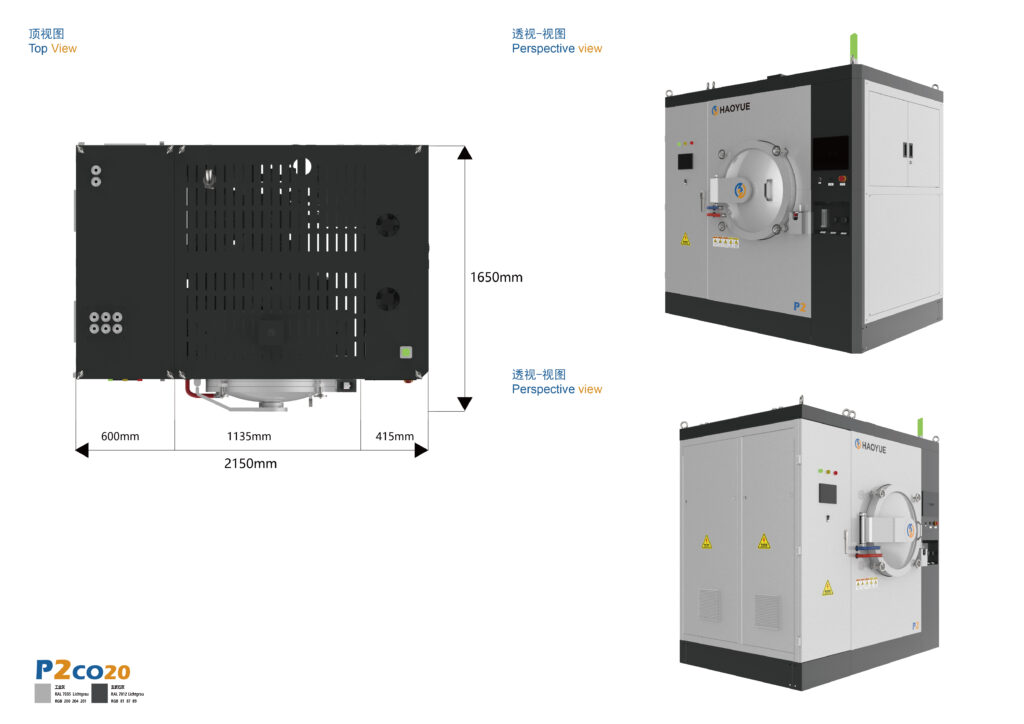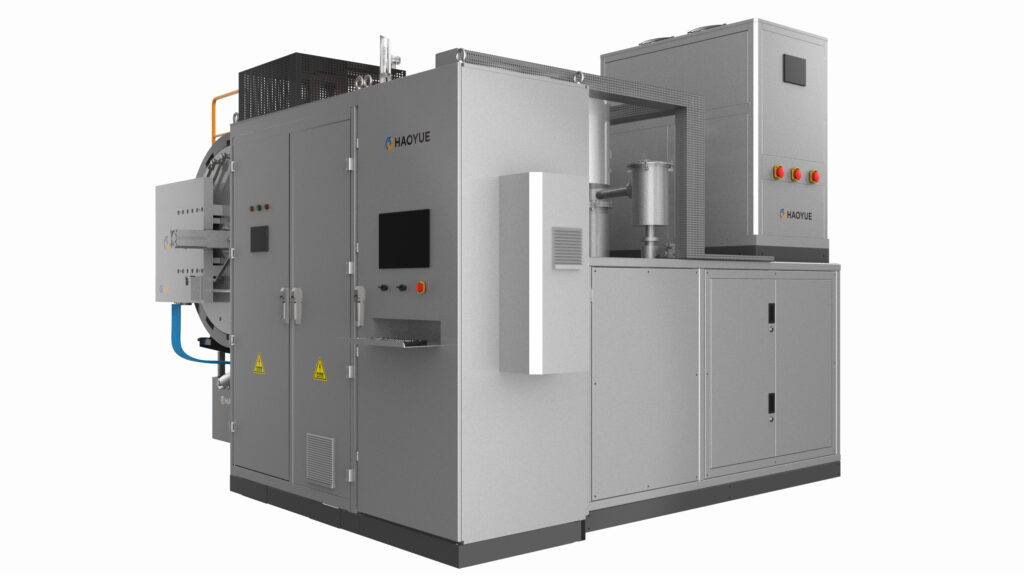






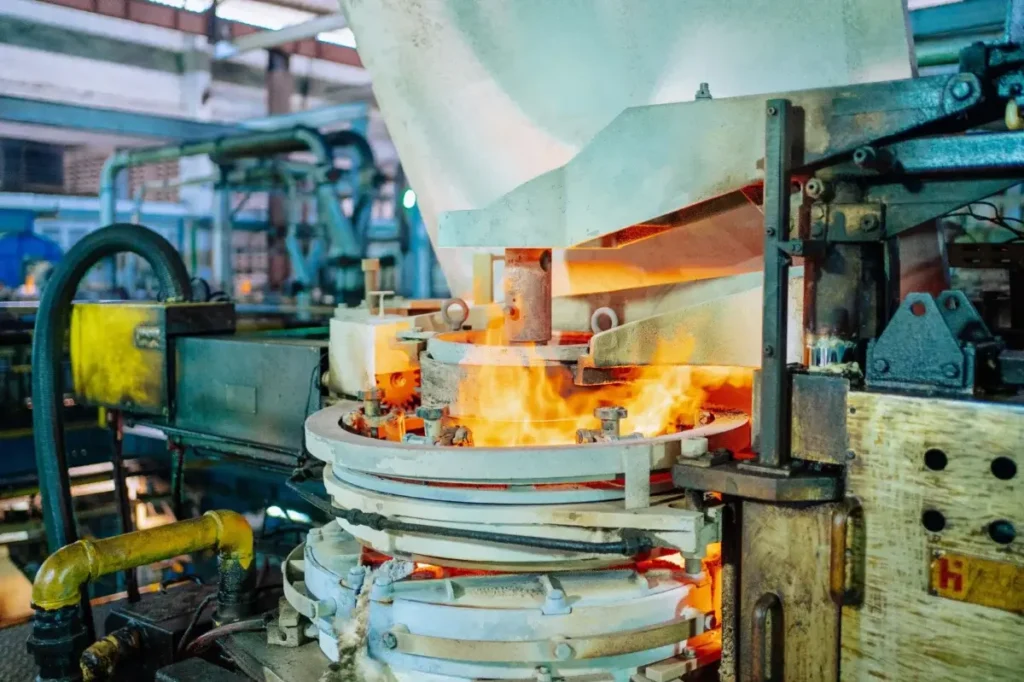
In the rapidly evolving landscape of advanced metallurgy, technical ceramics, and semiconductor manufacturing, selecting the right thermal processing equipment is a critical decision for engineering teams. As a leading vacuum furnace manufacturer, we understand that achieving precise material properties requires an intimate knowledge of thermal dynamics and atmospheric control. When comparing a vacuum furnace vs atmosphere furnace, the elimination of atmospheric gases is paramount to preventing oxidation, decarburization, and interstitial contamination, particularly when processing reactive metals and high-purity alloys.
Advanced Sintering Technologies for High-Performance Materials
The consolidation of advanced powder materials demands tailored thermal and pressure profiles. For instance, the silicon carbide sintering process and the alumina sintering process require ultra-high temperatures to promote atomic diffusion. Similarly, the zirconia sintering process is vital for producing high-strength structural ceramics, while tungsten carbide sintering and high-purity molybdenum sintering form the backbone of the wear-resistant tooling industry. Achieving theoretical density in these materials often requires specialized hardware provided by a dedicated vacuum sintering furnace manufacturer.
Engineers must carefully evaluate competing consolidation techniques. A common industry debate centers on SPS vs hot pressing (Spark Plasma Sintering vs. Hot Pressing). While Spark Plasma Sintering offers rapid heating rates and shorter cycle times, hot pressing provides uniform uniaxial pressure over larger volumes. Consulting an expert SPS furnace manufacturer or a hot pressing furnace manufacturer can help determine the optimal path. Furthermore, comparing HIP vs vacuum sintering and vacuum sintering vs pressure sintering reveals that while standard vacuum sintering is highly cost-effective, hot isostatic pressing (HIP) eliminates residual internal porosity. Partnering with an experienced HIP manufacturer or utilizing a gas pressure sintering furnace ensures that critical components meet the zero-defect standards required in high-stress applications.
Precision Joining and Surface Heat Treatment
Beyond consolidation, joining technologies like the vacuum brazing process have revolutionized assembly methods. When analyzing vacuum brazing vs conventional brazing, the vacuum method offers flux-free joints, minimal distortion, and the ability to join dissimilar materials. Sourcing equipment from a specialized vacuum brazing furnace manufacturer guarantees clean, high-integrity interfaces. For applications requiring reducing atmospheres to eliminate oxides, a vacuum hydrogen furnace is employed to provide a highly controlled, active thermal environment.
For surface modification, executing a precise vacuum annealing process or vacuum hardening process is critical to enhancing ductility or wear resistance. For example, titanium alloy heat treatment requires strict vacuum controls to prevent oxygen embrittlement, a process typically carried out in a certified aerospace heat treatment furnace or a high-vacuum aerospace vacuum furnace to meet stringent aerospace standards.
Industry-Specific Thermal Solutions
Different industrial sectors demand highly customized thermal solutions. In the medical and dental fields, a specialized dental implant vacuum furnace and a medical implant sintering furnace are required to process biocompatible materials without contamination. In the electronics sector, a high-purity semiconductor vacuum furnace is essential for wafer processing and thin-film deposition. Additionally, the rapid growth of energy storage has heightened the demand for a specialized battery material sintering furnace, while the tooling sector relies on a high-throughput carbide tool sintering furnace to produce durable cutting inserts.
Finally, when designing these advanced systems, the choice of hot zone construction is critical. The debate of a graphite furnace vs molybdenum furnace depends heavily on the operating temperatures and the carbon sensitivity of the workload. By partnering with a comprehensive vacuum heat treatment furnace manufacturer, industrial buyers can select the exact thermal processing configuration tailored to their specific metallurgical and ceramic processing needs.