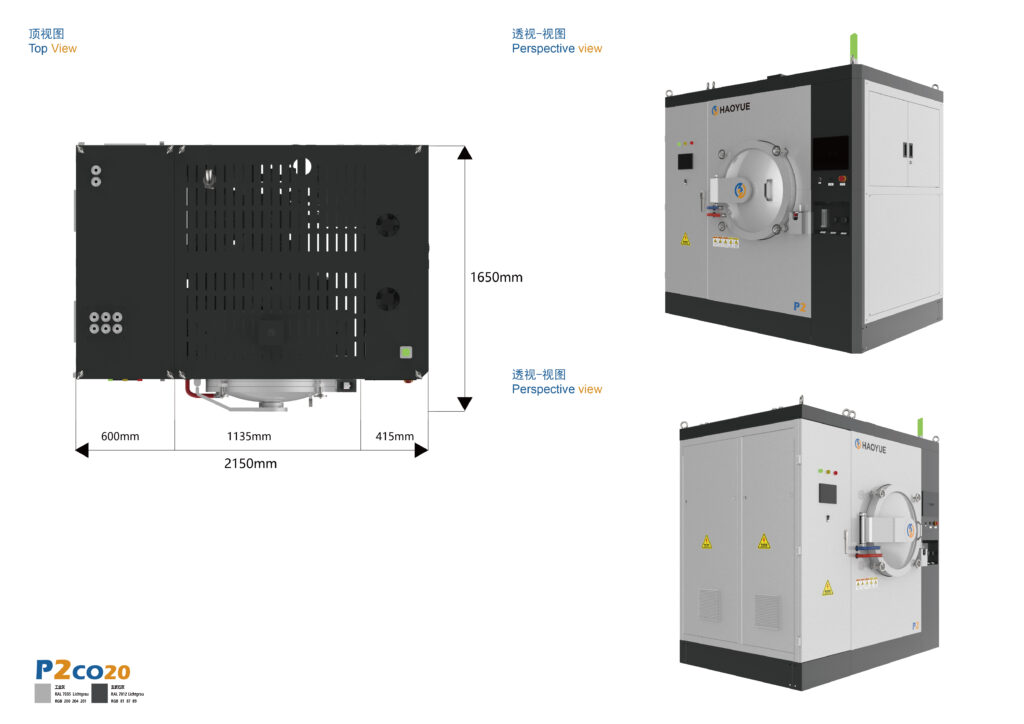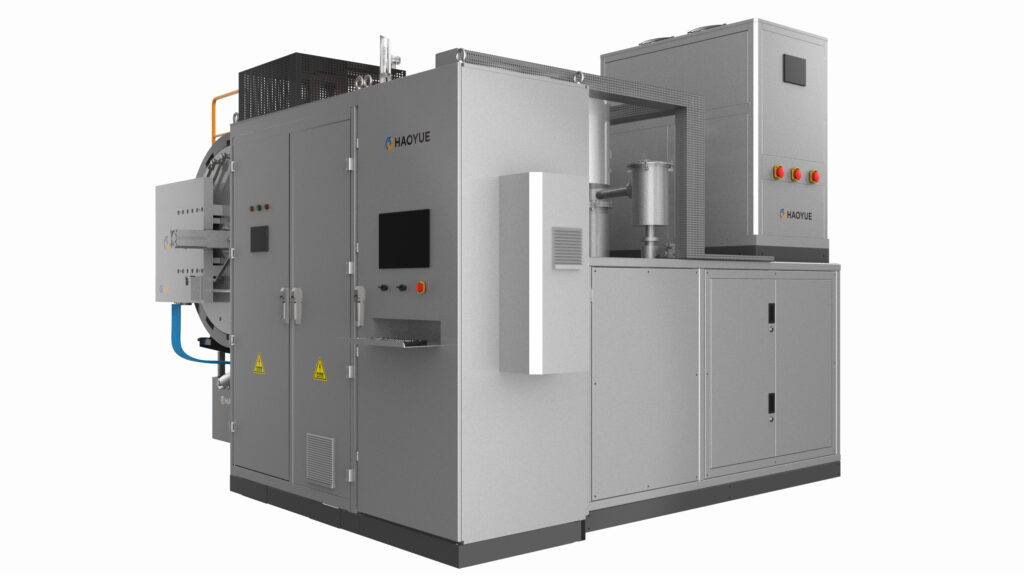






In the modern manufacturing landscape, the demand for high-performance materials with exceptional mechanical properties, thermal stability, and wear resistance has never been higher. Achieving these characteristics requires precise control over thermal processes, which has driven significant advancements in vacuum technology. For engineers and procurement specialists, selecting the right equipment and understanding the underlying metallurgy is critical. When deciding on the optimal thermal environment, comparing a vacuum furnace vs atmosphere furnace is often the first step. While atmosphere furnaces introduce specific protective gases, a vacuum environment completely eliminates atmospheric contaminants, preventing oxidation and decarburization to yield unmatched material purity.
The Mechanics of Advanced Sintering
Sintering is a foundational method for consolidating powder materials into dense, high-strength components. Depending on the material requirements, different thermal profiles and pressure conditions must be applied. For example, the vacuum sintering process is widely used for refractory metals and advanced ceramics. When evaluating compaction techniques, engineers frequently debate the merits of SPS vs hot pressing. Spark Plasma Sintering (SPS) utilizes pulsed direct current to achieve rapid densification at lower temperatures, whereas hot pressing relies on simultaneous uniaxial pressure and resistance heating over a longer cycle. To explore these options, sourcing from a specialized SPS furnace manufacturer or a hot pressing furnace manufacturer ensures access to the precise tooling required for advanced research and production.
For components requiring absolute density and zero internal porosity, the debate shifts to HIP vs vacuum sintering. Hot Isostatic Pressing (HIP) applies high-pressure inert gas multidirectionally at elevated temperatures, making it a premium solution for critical aerospace and medical components, which can be sourced through a dedicated HIP manufacturer. Conversely, when surface quality is paramount but extreme high pressure is unnecessary, a gas pressure sintering furnace or standard vacuum sintering is highly cost-effective. Choosing between vacuum sintering vs pressure sintering ultimately depends on the target density, material composition, and mechanical performance requirements of the end product.
Material-Specific Sintering and Thermal Processes
Different advanced materials demand highly specific thermal profiles and atmosphere controls to prevent grain growth and phase transformation issues:
- Silicon carbide sintering: Requires extremely high temperatures, often exceeding 2000°C, to achieve high hardness and thermal conductivity.
- Zirconia sintering process: Demands precise temperature ramp rates to manage phase transitions and prevent micro-cracking, particularly in dental and structural applications.
- Alumina sintering process: Focuses on achieving uniform grain size and eliminating closed porosity for high dielectric and mechanical strength.
- Tungsten carbide sintering: Involves liquid phase sintering where cobalt binder flows between carbide grains, a process optimized using a specialized carbide tool sintering furnace.
- Molybdenum sintering: Requires clean vacuum or reducing environments to prevent volatile oxide formation and ensure structural ductility.
To achieve these diverse material goals, selecting the appropriate heating element technology is crucial. A technical comparison of a graphite furnace vs molybdenum furnace reveals that while graphite offers excellent thermal uniformity and cost-efficiency at extreme temperatures, molybdenum is essential for clean-room, carbon-free processes such as those required in medical and semiconductor production.
Precision Heat Treatment and Joining Technologies
Beyond sintering, thermal processing encompasses critical surface modification and assembly techniques. The vacuum hardening process and the vacuum annealing process are essential for optimizing the microstructure of tool steels, superalloys, and reactive metals. For instance, precise titanium alloy heat treatment must be performed under strict vacuum conditions to prevent hydrogen embrittlement and alpha-case formation. Partnering with an experienced vacuum heat treatment furnace manufacturer allows companies to customize cooling gas pressures and heating zone configurations to meet strict aerospace standards.
For joining complex assemblies, the vacuum brazing process offers unprecedented joint strength and aesthetic finish. Comparing vacuum brazing vs conventional brazing highlights the superiority of vacuum processing; it eliminates the need for corrosive fluxes, prevents oxidation, and allows for the joining of dissimilar metals or ceramics to metals. Consulting a qualified vacuum brazing furnace manufacturer can help design systems that integrate precise temperature control with high vacuum levels to ensure defect-free joints.
Industry-Specific Applications and Equipment Selection
The choice of thermal processing equipment is highly dependent on the strict standards of the target industry:
- Aerospace: Components processed in an aerospace vacuum furnace or an aerospace heat treatment furnace must meet rigorous AMS2750 standards to guarantee flight safety and structural integrity.
- Medical and Dental: Biocompatibility is ensured by a medical implant sintering furnace, while aesthetic and structural perfection for restorations is achieved in a specialized dental implant vacuum furnace.
- Semiconductors: The extreme purity and thin-film uniformity required in microelectronics are made possible through a semiconductor vacuum furnace.
- Energy Storage: The high throughput and precise atmosphere control of a battery material sintering furnace are vital for synthesizing next-generation anode and cathode materials.
For specialized metallurgical reductions, a vacuum hydrogen furnace provides a highly reducing atmosphere that effectively removes oxides from refractory metals and precious alloys. Whether you are looking to upgrade your production line or establish a new R&D facility, partnering with a reputable vacuum furnace manufacturer or a dedicated vacuum sintering furnace manufacturer is the most critical decision to ensure equipment longevity, process repeatability, and compliance with global industrial standards.