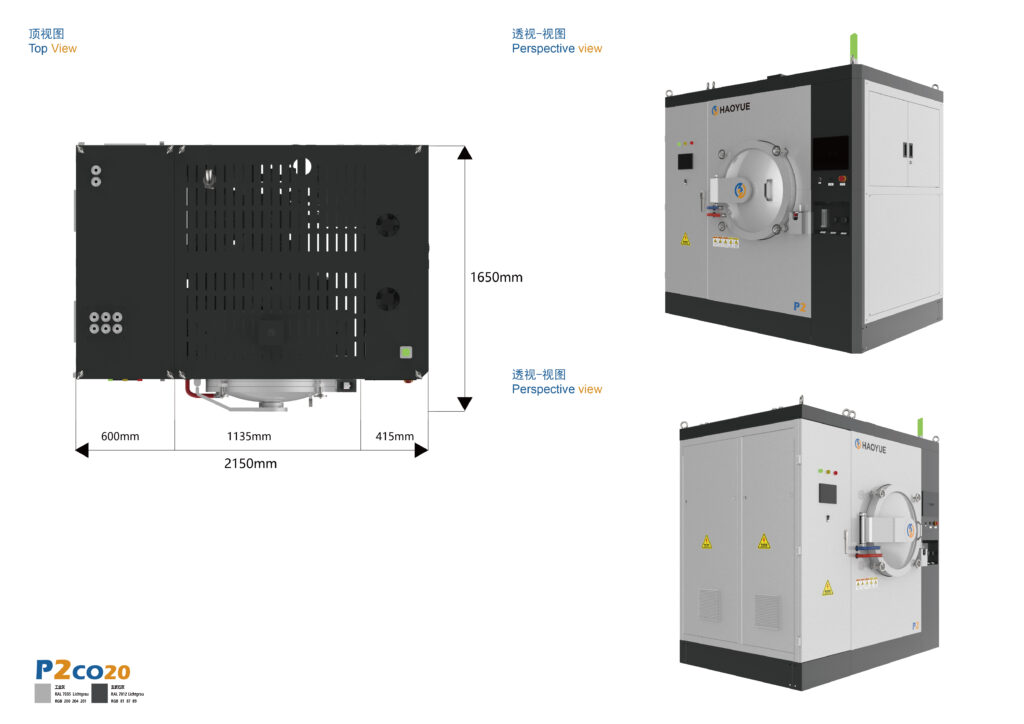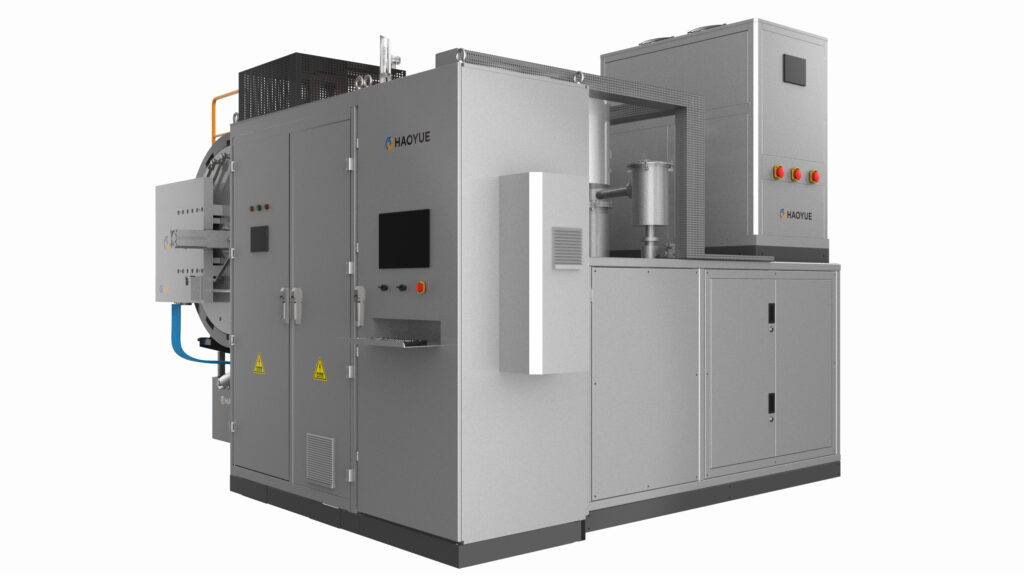






In modern high-precision manufacturing, selecting the right thermal processing equipment is a critical decision that directly impacts material integrity and component performance. Partnering with a leading vacuum furnace manufacturer allows industrial engineers to transition from traditional methods to advanced thermal environments. When comparing a vacuum furnace vs atmosphere furnace, the absence of atmospheric gases prevents oxidation and decarburization, ensuring superior surface finishes and precise control over thermal cycles. This clean environment is fundamental to the modern vacuum sintering process, where powder compacts are coalesced into dense, high-strength parts without contamination.
Evaluating Advanced Sintering Technologies
For advanced ceramic and powder metallurgy applications, selecting the appropriate sintering method is paramount. An experienced vacuum sintering furnace manufacturer can provide customized solutions tailored to specific material characteristics. When evaluating rapid consolidation techniques, engineers often analyze SPS vs hot pressing (Spark Plasma Sintering vs Hot Pressing). While a specialized SPS furnace manufacturer focuses on rapid pulsed current heating to achieve near-theoretical density in minutes, a traditional hot pressing furnace manufacturer utilizes uniaxial pressure and thermal energy over longer cycles.
For post-sintering densification, consulting a reputable HIP manufacturer (Hot Isostatic Pressing) is vital. Understanding the trade-offs of HIP vs vacuum sintering helps engineers decide whether isotropic gas pressure is necessary to eliminate residual porosity, or if a standard vacuum cycle is sufficient. In some cases, a gas pressure sintering furnace offers a middle ground, leading to discussions around vacuum sintering vs pressure sintering for silicon-nitride and other advanced ceramics.
Material-Specific Sintering Processes
Advanced materials require tailored thermal profiles to reach their optimal physical properties. For instance, silicon carbide sintering demands extremely high temperatures and precise atmosphere control to handle its covalent bonding structure. In the medical and dental fields, the zirconia sintering process and the alumina sintering process are critical for producing biocompatible, wear-resistant ceramic components. For heavy-duty industrial tooling, the tungsten carbide sintering process ensures maximum hardness and fracture toughness, whereas high-purity molybdenum sintering is essential for refractory metal fabrications used in extreme thermal environments.
Industry-Specific Thermal Solutions
Industry-specific demands dictate the structural design of thermal processing systems. In aviation, an aerospace vacuum furnace or a dedicated aerospace heat treatment furnace must comply with strict NADCAP standards to execute flawless titanium alloy heat treatment and superalloy processing. In the medical sector, utilizing a specialized medical implant sintering furnace or a high-precision dental implant vacuum furnace ensures the biocompatibility and structural integrity of orthopedic and dental prosthetics.
The electronics sector relies heavily on a high-purity semiconductor vacuum furnace for wafer processing and sensor manufacturing, while the green energy transition has accelerated the deployment of the battery material sintering furnace for cathode and anode powder synthesis. Additionally, the cutting tool industry relies on a dedicated carbide tool sintering furnace to produce high-performance drills and inserts.
Heat Treatment, Brazing, and Hot Zone Selection
Beyond sintering, thermal modification of metal components requires versatile equipment designs. Working with a certified vacuum heat treatment furnace manufacturer ensures access to precise thermal cycles, including the vacuum annealing process for stress relief and ductility, and the vacuum hardening process for high-strength steel components. For joining dissimilar metals, a vacuum brazing furnace manufacturer designs systems optimized for the vacuum brazing process. When comparing vacuum brazing vs conventional brazing, the vacuum environment eliminates the need for corrosive fluxes, resulting in cleaner, stronger, and leak-tight joints.
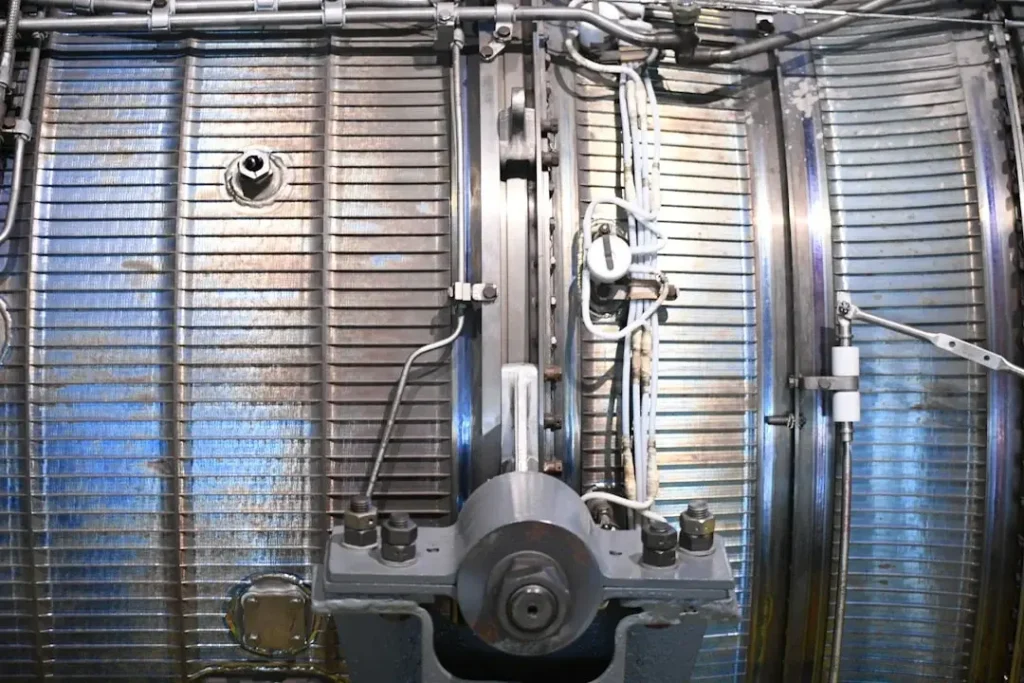
For materials sensitive to carbon contamination, choosing a vacuum hydrogen furnace provides a reducing atmosphere that actively removes oxides. Furthermore, when selecting hot zone materials, engineers must weigh the pros and cons of a graphite furnace vs molybdenum furnace, balancing the cost-effectiveness and thermal shock resistance of graphite against the high-purity, metal-shielded environment of molybdenum.