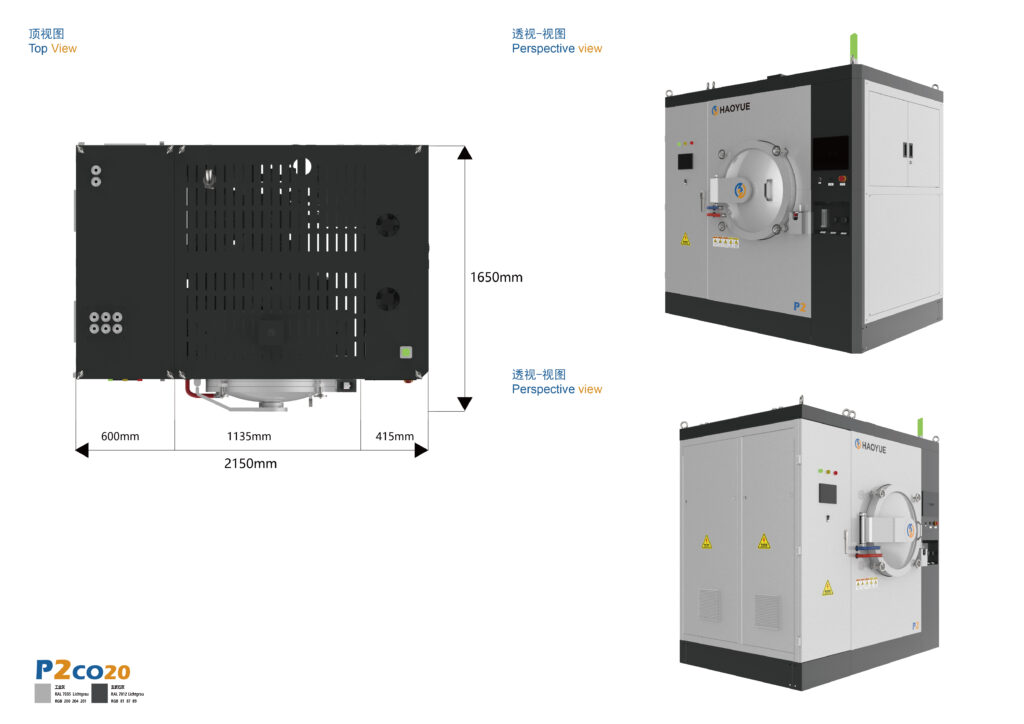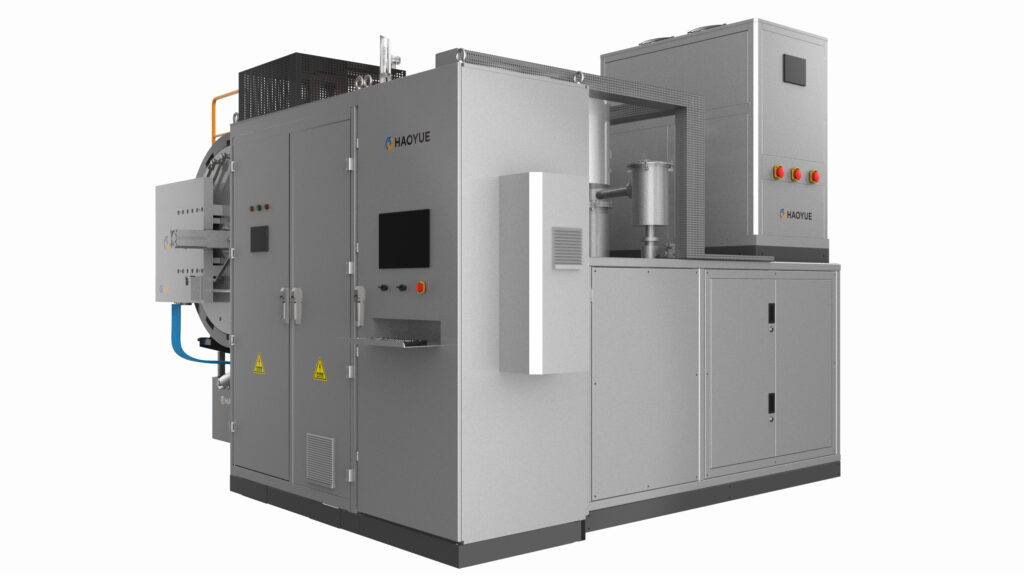






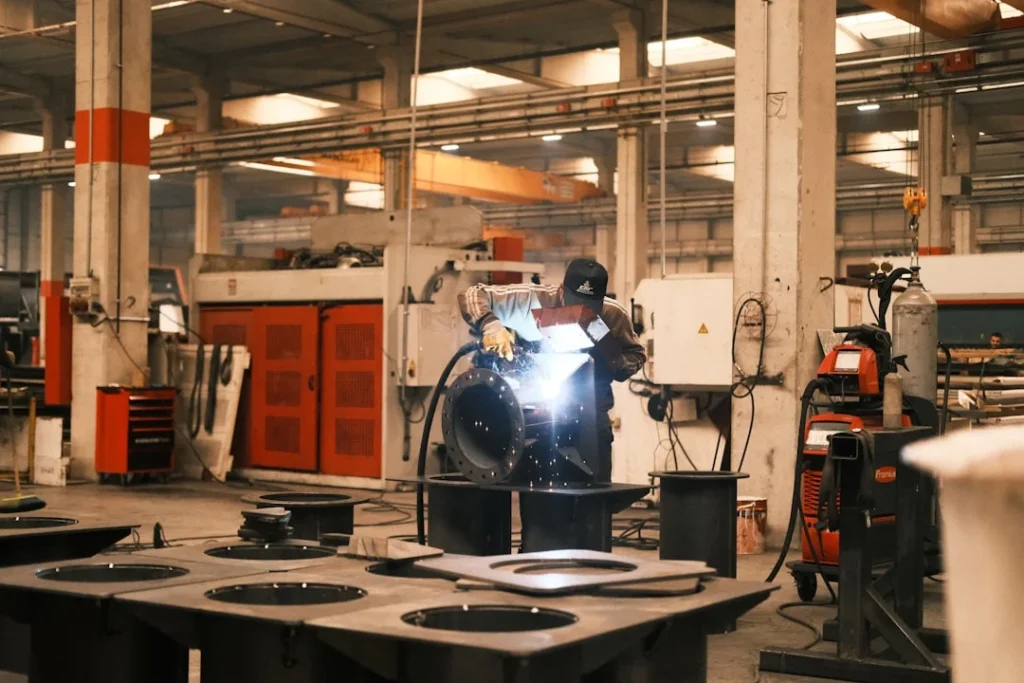
In the rapidly evolving landscape of advanced metallurgy, semiconductor manufacturing, and aerospace engineering, high-temperature thermal processing stands as a cornerstone technology. Industrial buyers and engineers frequently face critical decisions regarding equipment selection and process optimization. Choosing the right thermal environment is the first step in this journey; understanding the core differences of a vacuum furnace vs atmosphere furnace is essential. While atmosphere furnaces introduce specific protective gases, a vacuum furnace eliminates atmospheric contaminants entirely, preventing oxidation and decarburization. Partnering with an experienced vacuum furnace manufacturer ensures that your thermal systems are engineered to achieve the precise temperature uniformity and vacuum levels required for high-performance materials.
Advanced Sintering Technologies: SPS, Hot Pressing, and HIP
Sintering is a critical phase in producing high-strength ceramics and powder metals. Modern manufacturing demands highly specialized equipment to achieve theoretical density and fine grain structures. When evaluating consolidation methods, engineers often compare SPS vs hot pressing. Spark Plasma Sintering (SPS) utilizes pulsed direct current to generate internal heating, resulting in extremely rapid densification rates. For facilities looking to implement this technology, working with a dedicated SPS furnace manufacturer is key to securing systems capable of precise pulse control. Conversely, a traditional hot pressing furnace manufacturer provides systems that rely on external heating elements combined with uniaxial pressure, which remains highly effective for larger, uniform components.
For components requiring isotropic properties and zero porosity, Hot Isostatic Pressing (HIP) is the gold standard. When analyzing HIP vs vacuum sintering, HIP utilizes high-pressure inert gas to compress parts from all directions simultaneously, whereas a standard vacuum sintering process relies on thermal energy to drive densification at lower pressures. Consulting a leading HIP manufacturer allows industries to integrate high-pressure thermal processing into their production lines, ensuring the elimination of internal micro-voids in critical structural parts.
Material-Specific Sintering Processes
Different advanced materials require tailored thermal profiles and atmospheres to achieve optimal physical properties:
- Silicon carbide sintering: Requires extremely high temperatures (often exceeding 2000°C) to bond the highly covalent silicon-carbon matrix, typically performed in specialized graphite-insulated chambers.
- Zirconia sintering process: Essential for dental and structural ceramics, demanding precise cooling rates to control phase transformations and maintain mechanical integrity.
- Alumina sintering process: Widely utilized for electrical insulators and wear-resistant parts, requiring careful temperature control to prevent abnormal grain growth.
- Tungsten carbide sintering: Vital for industrial tooling, often utilizing liquid-phase sintering to bond the hard carbide phases with a cobalt or nickel binder.
- Molybdenum sintering: Necessary for refractory metal components, requiring precise atmospheric control to prevent oxidation of the refractory powder.
Industrial Applications and Specialized Furnace Configurations
Thermal processing systems must be tailored to their specific industrial sectors. For instance, the aerospace sector demands uncompromising quality assurance. Implementing an aerospace vacuum furnace or a dedicated aerospace heat treatment furnace ensures compliance with strict AMS2750 standards for components like turbine blades and structural fasteners. Similarly, the medical sector relies on specialized equipment; a medical implant sintering furnace or a dental implant vacuum furnace guarantees the bio-compatibility and fatigue strength of titanium and zirconia prosthetics.
In the energy and electronics sectors, specialized systems are equally critical. A battery material sintering furnace is engineered to process anode and cathode powders under strict atmosphere controls, while a high-capacity carbide tool sintering furnace ensures the consistent hardness of cutting and drilling inserts. For the electronics industry, a specialized semiconductor vacuum furnace is utilized for wafer processing and packaging under ultra-clean, high-vacuum conditions.
When configuring these high-temperature systems, engineers must choose appropriate hot zone materials, comparing a graphite furnace vs molybdenum furnace. Graphite hot zones offer excellent thermal stability and cost-efficiency at extreme temperatures, but can cause carbon contamination in certain alloys. Molybdenum hot zones provide an ultra-clean environment suitable for medical, semiconductor, and aerospace applications. Furthermore, choosing between vacuum sintering vs pressure sintering determines whether a standard vacuum run or a specialized gas pressure sintering furnace is required to suppress material dissociation at elevated temperatures. For materials highly sensitive to oxidation or requiring reduction reactions, a specialized vacuum hydrogen furnace is the ideal solution.
Precision Vacuum Brazing and Heat Treatment
Beyond sintering, vacuum systems are indispensable for joining and heat-treating metal assemblies. When comparing vacuum brazing vs conventional brazing, the vacuum environment eliminates the need for corrosive fluxes, resulting in exceptionally clean, oxide-free joints with superior mechanical properties. Partnering with a specialized vacuum brazing furnace manufacturer guarantees access to systems with precise multi-zone temperature control, which is crucial for executing a flawless vacuum brazing process on complex heat exchangers and assemblies.
Finally, achieving the desired mechanical properties in structural components requires advanced post-processing. A certified vacuum heat treatment furnace manufacturer can provide systems designed for a variety of thermal cycles. These include the vacuum annealing process to relieve internal stresses and improve ductility, as well as the vacuum hardening process to maximize wear resistance and hardness. These technologies are particularly critical for high-value components, such as during advanced titanium alloy heat treatment, where any atmospheric contamination would lead to hydrogen embrittlement or alpha-case formation. By utilizing state-of-the-art vacuum thermal systems, manufacturers can guarantee the reliability, performance, and longevity of their engineered components.