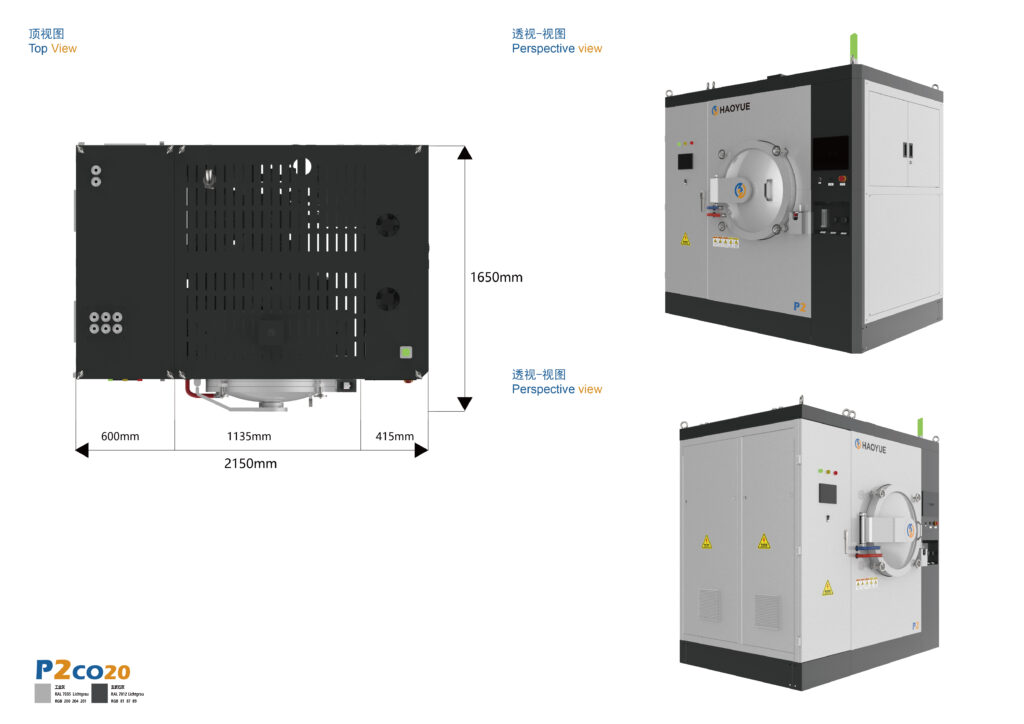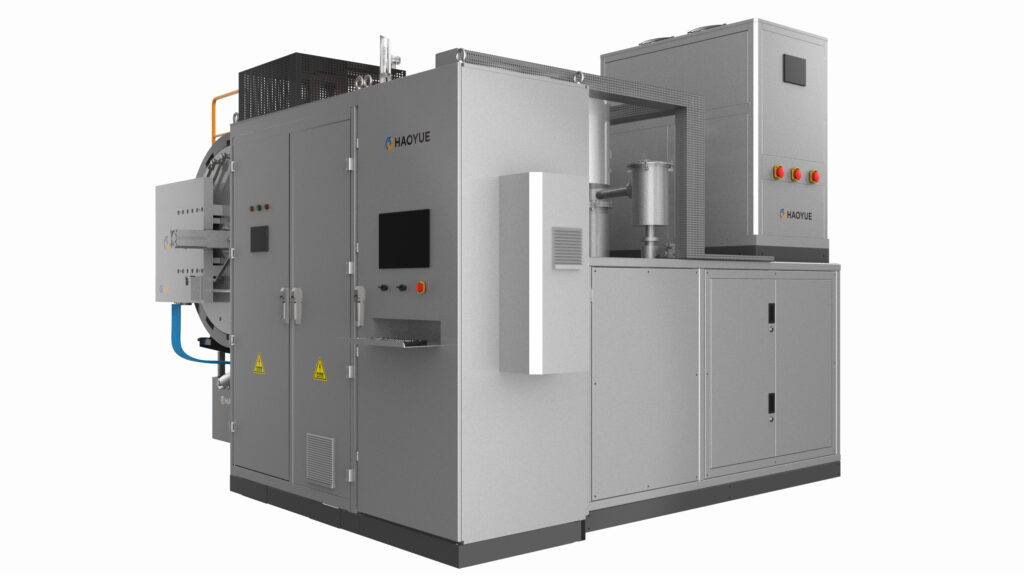






In modern industrial manufacturing, achieving precise material properties requires state-of-the-art thermal processing solutions. As a premier vacuum furnace manufacturer, we understand that selecting the right thermal processing equipment determines the ultimate mechanical integrity, fatigue life, and performance of critical components. Whether you are processing advanced ceramics, refractory metals, or aerospace-grade superalloys, understanding the underlying thermodynamics and equipment capabilities is vital for optimizing your production pipeline.
Comparative Analysis of Thermal Technologies
Engineers face critical decisions when selecting the appropriate thermal processing route. A foundational comparison is vacuum furnace vs atmosphere furnace systems. While atmosphere furnaces introduce protective gases at positive pressures, vacuum furnaces operate in depleted oxygen environments, virtually eliminating oxidation and decarburization. For ultra-high-temperature applications, the choice between a graphite furnace vs molybdenum furnace is equally critical; graphite hot zones offer robust, cost-effective heating up to 2200°C but can cause carbon contamination, whereas molybdenum hot zones provide an ultra-clean environment essential for sensitive alloy processing.
When it comes to material consolidation, comparing SPS vs hot pressing (Spark Plasma Sintering vs Hot Pressing) reveals distinct advantages. SPS utilizes pulsed direct current to achieve rapid densification in minutes, whereas conventional hot pressing relies on slower, indirect resistance heating. For high-integrity components, evaluating HIP vs vacuum sintering or vacuum sintering vs pressure sintering helps manufacturers determine if Hot Isostatic Pressing (HIP) is required to eliminate residual porosity, or if a gas pressure sintering furnace can achieve the target density at a lower capital cost.
Advanced Sintering Processes and Material Applications
The vacuum sintering process is the cornerstone of powder metallurgy and technical ceramics. For instance, high-performance ceramics like silicon carbide sintering and the alumina sintering process demand precise temperature profiles and high vacuum levels to achieve maximum theoretical density. In medical and dental applications, the zirconia sintering process carried out in a specialized dental implant vacuum furnace or a larger medical implant sintering furnace ensures biocompatibility and aesthetic translucency.
For industrial tooling, tungsten carbide sintering utilizing a dedicated carbide tool sintering furnace is essential for producing wear-resistant cutting tools. Similarly, refractory metals require specialized profiles, such as those used in molybdenum sintering, to prevent grain growth and preserve ductility. In the energy sector, the demand for advanced battery chemistries has accelerated the adoption of the battery material sintering furnace to synthesize high-purity cathode and anode materials under strict environmental controls.
Specialized Heat Treatment and Joining Processes
Beyond sintering, precise thermal modification is achieved through targeted heat treatment cycles. The vacuum annealing process relieves internal stresses in cold-worked metals, while the vacuum hardening process drastically increases wear resistance without surface discoloration. For critical aerospace components, titanium alloy heat treatment must be performed in an ultra-clean environment to prevent hydrogen embrittlement, often utilizing a high-vacuum system or a specialized vacuum hydrogen furnace.
When joining dissimilar metals or complex assemblies, the vacuum brazing process offers unparalleled joint strength and cleanliness. Comparing vacuum brazing vs conventional brazing highlights that vacuum environments eliminate the need for corrosive fluxes, preventing post-braze cleaning steps and reducing joint defects. This process is highly critical in electronics and aerospace manufacturing, where a semiconductor vacuum furnace is utilized for flux-free wafer bonding and packaging.
Industry-Specific Thermal Solutions
Different industries demand tailored thermal processing setups to meet strict regulatory standards:
- Aerospace: High-performance components rely on an aerospace vacuum furnace and an aerospace heat treatment furnace to meet AMS2750 pyrometry standards for turbine blades and structural parts.
- Medical: Orthopedic and dental devices require sterile, highly repeatable sintering profiles to ensure patient safety and mechanical longevity.
- Semiconductor: Microelectronics fabrication depends on high-purity thermal processes to prevent microscopic defects during wafer processing.
Partnering with the Right Equipment Manufacturer
Selecting the correct thermal processing partner is paramount to operational success. As a leading vacuum sintering furnace manufacturer, SPS furnace manufacturer, and hot pressing furnace manufacturer, we engineer custom systems tailored to your specific material requirements. Our expertise as an established HIP manufacturer, vacuum heat treatment furnace manufacturer, and vacuum brazing furnace manufacturer guarantees that your facility receives robust, energy-efficient, and highly automated thermal systems designed to maximize yield and minimize operational costs. Contact our engineering team today to discuss your process specifications and discover how our advanced thermal solutions can elevate your production standards.