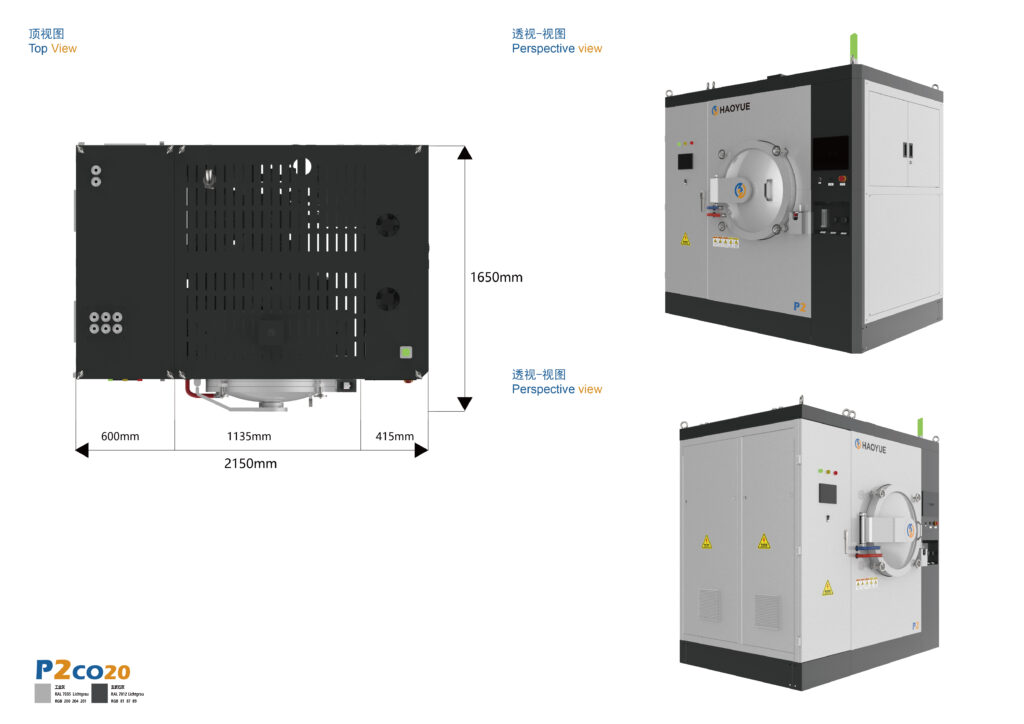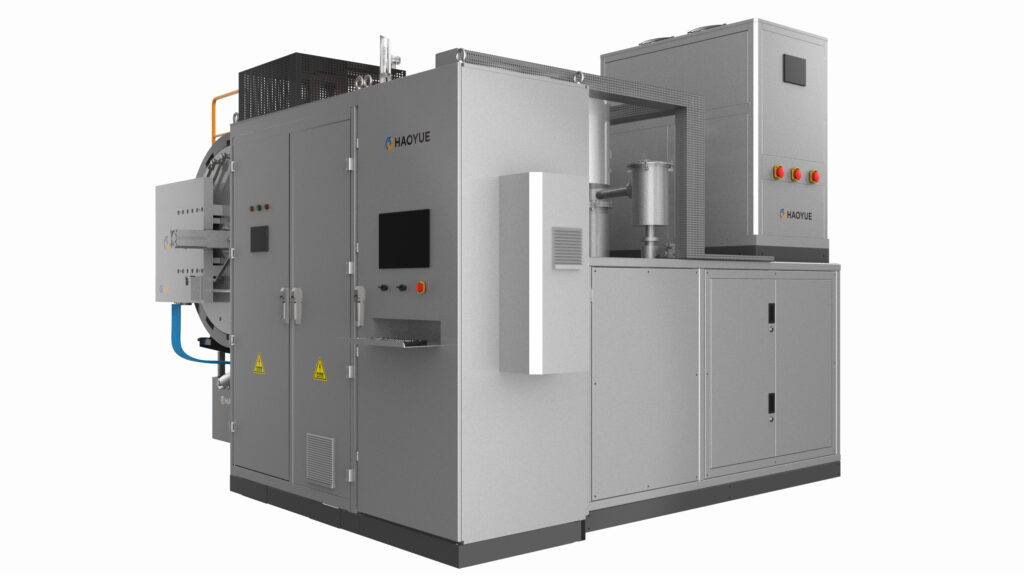







In modern high-precision manufacturing, selecting the right thermal processing equipment is critical to achieving superior material properties. Partnering with a reliable vacuum furnace manufacturer ensures that industrial operations can meet stringent mechanical and chemical specifications. From aerospace engineering to medical device manufacturing, advanced thermal processing relies on controlled atmospheres to prevent oxidation, eliminate impurities, and optimize microstructures. As a premier vacuum heat treatment furnace manufacturer, we understand that selecting the appropriate system requires a deep understanding of both material science and equipment capabilities.
Advanced Sintering Technologies for High-Performance Materials
Sintering is a foundational process for producing dense, high-strength components from powder compacts. For advanced ceramics and refractory metals, the vacuum sintering process offers unparalleled control over grain growth and density. For instance, achieving high density during silicon carbide sintering requires extremely high temperatures and precise atmosphere control, often facilitated by a specialized vacuum sintering furnace manufacturer. Similarly, the zirconia sintering process and alumina sintering process are critical in producing bio-compatible and wear-resistant components. For heavy-duty industrial tooling, the tungsten carbide sintering process ensures maximum hardness and wear resistance, while demanding thermal profiles are required for high-purity molybdenum sintering.
When standard vacuum sintering is insufficient for complete densification, manufacturers turn to overpressure solutions. Utilizing a gas pressure sintering furnace allows for the application of isostatic pressure at high temperatures, which is excellent for eliminating residual porosity. For specialized materials, engineers must evaluate the benefits of SPS vs hot pressing. While Spark Plasma Sintering (SPS) utilizes pulsed direct current to achieve rapid densification, consulting an experienced SPS furnace manufacturer or a hot pressing furnace manufacturer will help determine the optimal configuration for your specific material composition.
Precision Brazing and Heat Treatment Processes
Beyond sintering, vacuum systems are vital for joining and modifying metals. The precision of the vacuum brazing process allows for the joining of dissimilar metals without the use of corrosive fluxes, engineered by a specialized vacuum brazing furnace manufacturer. For stress relief and microstructure refinement, utilizing the vacuum annealing process prevents surface discoloration and decarb. When extreme hardness is required, the vacuum hardening process provides rapid, uniform quenching under vacuum or gas overpressure. For reactive metals, executing a flawless titanium alloy heat treatment cycle is critical to preventing embrittlement, often utilizing a vacuum hydrogen furnace for controlled atmosphere reduction and degassing.
Industry-Specific Thermal Processing Applications
Different industries require highly tailored thermal processing environments to meet strict regulatory standards:
- Aerospace: Critical turbine and structural components require utilizing an aerospace vacuum furnace and deploying an aerospace heat treatment furnace to meet rigorous Nadcap certification standards.
- Medical & Dental: The medical sector relies on a medical implant sintering furnace for orthopedic devices, while dental labs process custom crowns and bridges using a highly precise dental implant vacuum furnace.
- Semiconductors: For wafer processing and electronic packaging, a dedicated semiconductor vacuum furnace ensures ultra-clean, contamination-free thermal cycles.
- Energy & Tooling: Battery manufacturers are scaling production with a specialized battery material sintering furnace, while the cutting tool industry relies on a high-performance carbide tool sintering furnace to produce durable inserts.
Key Technical Comparisons for Equipment Buyers
To make an informed investment, engineers must analyze several critical technical comparisons:
HIP vs vacuum sintering
Comparing HIP vs vacuum sintering reveals that Hot Isostatic Pressing (HIP) achieves near-theoretical density by applying high gas pressure simultaneously with heat, making it ideal for critical aerospace parts, whereas standard vacuum sintering is more cost-effective for high-volume parts with less demanding fatigue requirements. Consulting a certified HIP manufacturer can help clarify these process boundaries.
vacuum sintering vs pressure sintering
Understanding vacuum sintering vs pressure sintering is vital for selecting the correct densification method; pressure sintering prevents the decomposition of materials like silicon nitride at high temperatures by applying counter-pressure.
vacuum furnace vs atmosphere furnace
In the debate of vacuum furnace vs atmosphere furnace, vacuum systems completely eliminate atmospheric contaminants, providing a superior surface finish and eliminating post-treatment cleaning, whereas atmosphere furnaces are typically used for simpler, high-volume carbonizing or protective gas cycles.
graphite furnace vs molybdenum furnace
Choosing between a graphite furnace vs molybdenum furnace depends on temperature requirements and carbon sensitivity. Graphite hot zones are highly cost-effective and durable up to extreme temperatures but can cause carbon contamination in certain alloys, whereas molybdenum hot zones offer an ultra-clean environment ideal for medical and aerospace applications.
vacuum brazing vs conventional brazing
The superiority of vacuum brazing vs conventional brazing lies in the elimination of flux residues, resulting in cleaner, stronger, and more corrosion-resistant joints that require no post-braze cleaning.
Conclusion
Selecting the right thermal processing setup requires balancing material specifications, throughput requirements, and budget constraints. Whether you need a high-temperature sintering system or a specialized heat treatment line, partnering with an experienced manufacturer ensures your equipment delivers consistent, repeatable, and high-quality results for years to come.