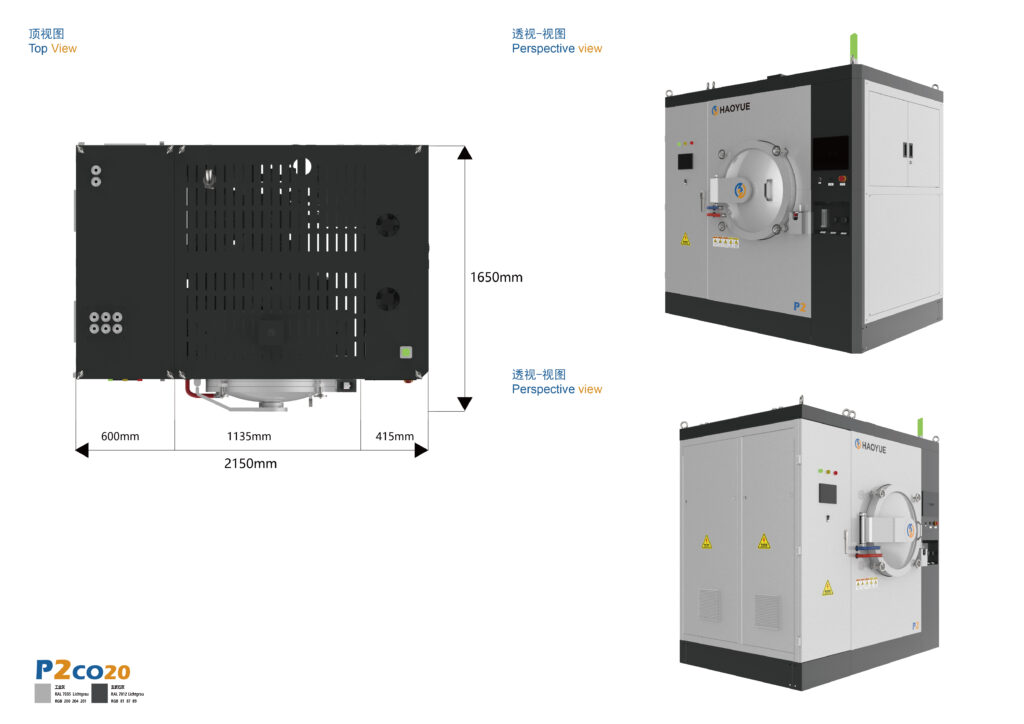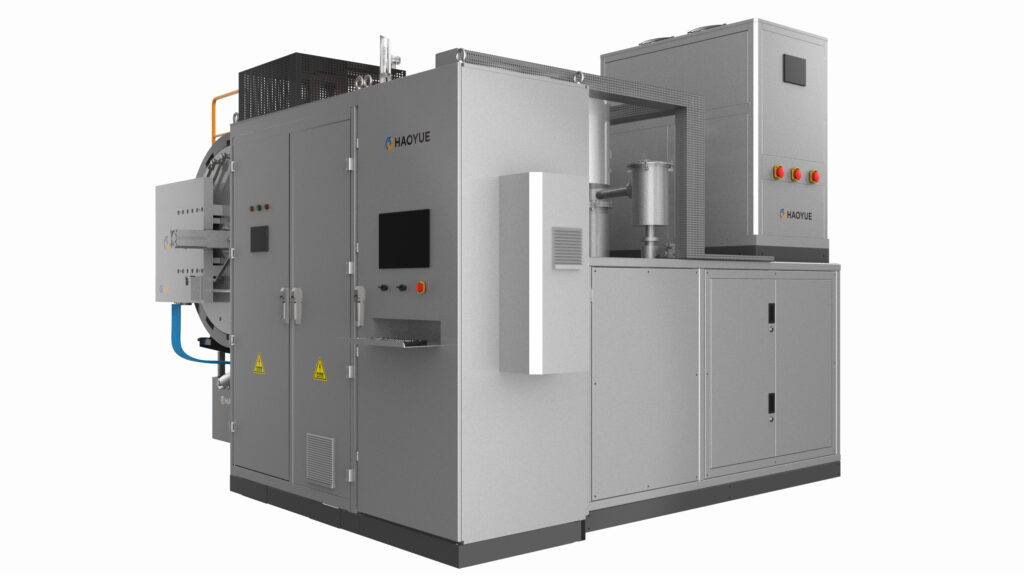






In the demanding world of advanced materials, achieving superior properties and structural integrity is paramount. This objective is consistently met through sophisticated thermal processing, where vacuum furnaces stand as indispensable tools. For engineers, equipment buyers, and industry practitioners, understanding the capabilities of a reliable vacuum furnace manufacturer is key to unlocking the full potential of materials across diverse applications, from aerospace to medical implants.
One of the primary applications is the vacuum sintering process, a method crucial for consolidating powdered materials into solid, dense components. Manufacturers specializing in this area, such as a dedicated vacuum sintering furnace manufacturer, offer solutions for materials like silicon carbide sintering, zirconia sintering process, and alumina sintering process. These processes are vital for producing high-performance ceramics and composites. For specific needs, an SPS furnace manufacturer provides Spark Plasma Sintering technology, known for its rapid densification, often compared in efficiency where SPS vs hot pressing considerations arise. Similarly, a hot pressing furnace manufacturer offers equipment essential for achieving high-density parts with fine grain structures, particularly for refractory metals like in tungsten carbide sintering and molybdenum sintering.
Beyond sintering, vacuum technology is transformative for various heat treatment operations. A leading vacuum heat treatment furnace manufacturer delivers systems capable of processes like vacuum annealing process and vacuum hardening process, which are critical for enhancing the mechanical properties of metals without oxidation. The benefits of a vacuum furnace vs atmosphere furnace are clear: superior cleanliness, reduced distortion, and often better material properties. Industries such as aerospace greatly benefit, utilizing an aerospace heat treatment furnace for critical components. The titanium alloy heat treatment, for instance, demands the precise control and oxygen-free environment only a vacuum system can reliably provide. For specialized applications, a HIP manufacturer (Hot Isostatic Pressing) provides equipment that combines high temperature and pressure, offering superior densification compared to conventional HIP vs vacuum sintering methods, especially for complex geometries or difficult-to-sinter materials.
The versatility of vacuum furnace technology extends to specialized industrial sectors. The semiconductor vacuum furnace is a cornerstone in microelectronics manufacturing, ensuring ultra-clean environments for sensitive processes. In the burgeoning battery industry, a battery material sintering furnace is essential for creating advanced electrode materials. For medical devices, a dedicated medical implant sintering furnace and dental implant vacuum furnace ensure the biocompatibility and structural integrity of critical components. Furthermore, the vacuum brazing process is indispensable for joining dissimilar materials or complex assemblies, offering significant advantages over vacuum brazing vs conventional brazing due to its clean joints and minimal distortion. A proficient vacuum brazing furnace manufacturer offers tailored solutions for these intricate joining tasks. For advanced materials, a gas pressure sintering furnace or a vacuum hydrogen furnace might be employed, depending on the specific material and process requirements, offering distinct advantages over standard vacuum sintering.
When selecting equipment, the choice between a graphite furnace vs molybdenum furnace depends heavily on the maximum operating temperature, material compatibility, and purity requirements. Each design offers specific advantages for different processes and materials. Ultimately, partnering with an experienced vacuum furnace manufacturer is crucial. They provide not just equipment, but expertise in optimizing processes for various materials, from carbide tool sintering furnace applications to advanced aerospace components. Their commitment to innovation ensures that industries can continue to push the boundaries of material science, delivering products with unparalleled precision and performance.