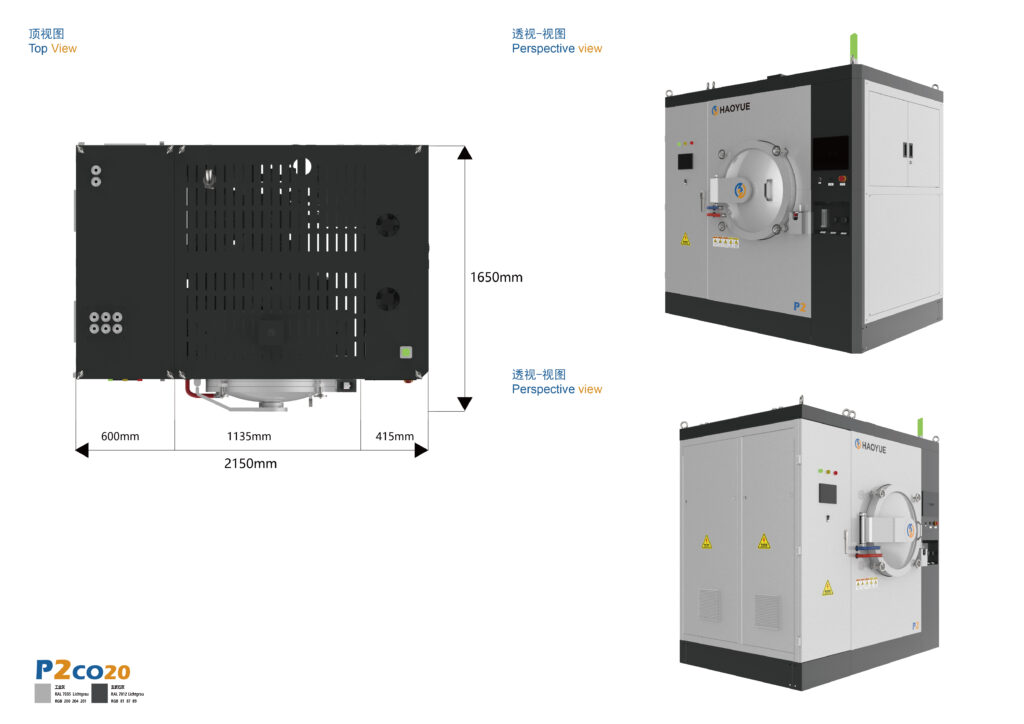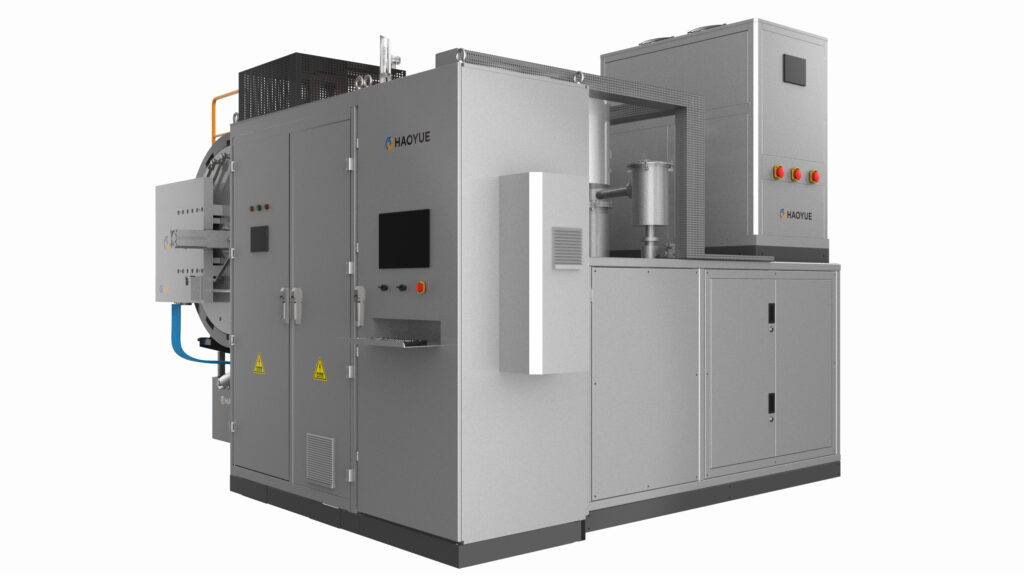






In modern industrial manufacturing, achieving superior material properties requires absolute control over thermal environments. Advanced metallurgy, technical ceramics, and semiconductor processing demand specialized thermal systems that eliminate atmospheric contamination and deliver precise temperature profiles. For engineers and procurement specialists, selecting the right thermal processing system involves understanding the complex interplay between equipment design, material science, and process physics. Partnering with a qualified vacuum furnace manufacturer is the first step toward optimizing these critical thermal operations.
Sintering Technologies: SPS, Hot Pressing, and HIP
Sintering is a foundational process for producing high-density components from powder compacts. When evaluating consolidation methods, engineers often compare SPS vs hot pressing. Spark Plasma Sintering (SPS) utilizes pulsed direct current to generate localized Joule heating, enabling rapid densification at lower temperatures and significantly shorter cycle times than traditional hot pressing. As a dedicated SPS furnace manufacturer, we design systems that minimize grain growth, which is critical for nanostructured materials. Conversely, collaborating with a hot pressing furnace manufacturer can help you secure robust systems that apply uniaxial pressure and external heating, ideal for larger components requiring uniform microstructure control.
For applications where complete elimination of internal porosity is non-negotiable, comparing HIP vs vacuum sintering is essential. Hot Isostatic Pressing (HIP) applies high-pressure inert gas isostatically at elevated temperatures. While standard vacuum sintering is highly cost-effective for complex shapes, working with an established HIP manufacturer is vital for critical aerospace components that require 100% theoretical density. Furthermore, understanding the nuances of vacuum sintering vs pressure sintering helps engineers determine if atmospheric vacuum alone is sufficient or if an overpressure step is needed to prevent thermal decomposition of advanced nitrides and carbides.
To achieve high density in specialized ceramics without external mechanical pressure, a gas pressure sintering furnace is often employed, utilizing pressurized nitrogen or argon to suppress material dissociation. This is highly effective for silicon carbide sintering, where high temperatures are required to activate densification. Similarly, the zirconia sintering process and alumina sintering process demand precise temperature uniformity and clean atmospheres to prevent discoloration and phase transformation in dental and engineering ceramics.
Vacuum Heat Treatment and Brazing Processes
Beyond sintering, thermal processing encompasses critical surface modification and joining techniques. The vacuum annealing process is widely used to relieve residual stresses and restore ductility in cold-worked metals without causing surface oxidation. For high-strength steel components, achieving superior surface hardness and wear resistance via the vacuum hardening process ensures minimal distortion and eliminates the need for post-heat-treat cleaning.
When joining dissimilar metals or complex assemblies, the vacuum brazing process eliminates the need for corrosive flux, resulting in exceptionally clean, high-strength joints. Highlighting the benefits of vacuum brazing vs conventional brazing, the vacuum method prevents oxidation, reduces thermal distortion, and allows for the simultaneous brazing of multiple joints in a single cycle. Selecting a specialized vacuum brazing furnace manufacturer ensures your system is configured with the appropriate vacuum pumping speeds and hot zone materials to handle specific filler metals.
For applications requiring reducing atmospheres to eliminate surface oxides on refractory metals, utilizing a vacuum hydrogen furnace provides an active, highly controlled environment. This setup is crucial for high-temperature molybdenum sintering and specialized metallurgical joining where carbon contamination must be strictly avoided.
Chamber Materials and Equipment Design
A critical decision during the procurement phase is comparing a vacuum furnace vs atmosphere furnace. While atmosphere furnaces introduce protective gases at atmospheric pressure, a vacuum furnace provides a far cleaner environment, reaching high vacuum levels that prevent even trace oxidation. Within vacuum systems, engineers must also decide between a graphite furnace vs molybdenum furnace. Graphite hot zones offer excellent thermal shock resistance, durability, and cost efficiency at extreme temperatures, making them the standard for tungsten carbide sintering. However, for ultra-clean applications such as semiconductor processing or titanium alloy heat treatment, a molybdenum (all-metal) hot zone is required to prevent carbon contamination.
Industry-Specific Applications
Different industrial sectors require tailored thermal processing solutions to meet stringent regulatory and performance standards:
- Aerospace: High-performance turbine blades and structural components undergo critical steps in titanium alloy heat treatment. Utilizing an aerospace vacuum furnace ensures compliance with AMS2750 standards, while the high cooling rates of an aerospace heat treatment furnace guarantee the desired martensitic microstructures.
- Medical and Dental: The precision offered by a medical implant sintering furnace is crucial for producing porous titanium coatings on orthopedic implants. Similarly, dental laboratories rely on a dental implant vacuum furnace for biocompatible zirconia restorations with exact translucent properties.
- Semiconductors: The fabrication of high-purity wafers and advanced packaging requires the deployment of a high-purity semiconductor vacuum furnace to eliminate any risk of volatile organic or metallic contamination.
- Energy and Tooling: The rapid growth of the electric vehicle sector has heightened the role of a battery material sintering furnace in synthesizing high-capacity cathode powders. Meanwhile, tooling manufacturers rely on a carbide tool sintering furnace to achieve the extreme hardness and wear resistance required for industrial cutting tools.
Selecting the Right Thermal Partner
Choosing the correct equipment involves aligning your specific material requirements with the precise capabilities of the thermal system. When partnering with a reputable vacuum sintering furnace manufacturer, engineers must verify hot zone uniformity, vacuum ultimate levels, and cooling gas pressures. Consulting with an experienced vacuum furnace manufacturer ensures that your capital investment is optimized for high throughput, energy efficiency, and long-term reliability. Whether your process demands a certified vacuum heat treatment furnace manufacturer or a highly specialized sintering solution, defining your thermal profile and atmosphere requirements early in the design phase will guarantee operational success.