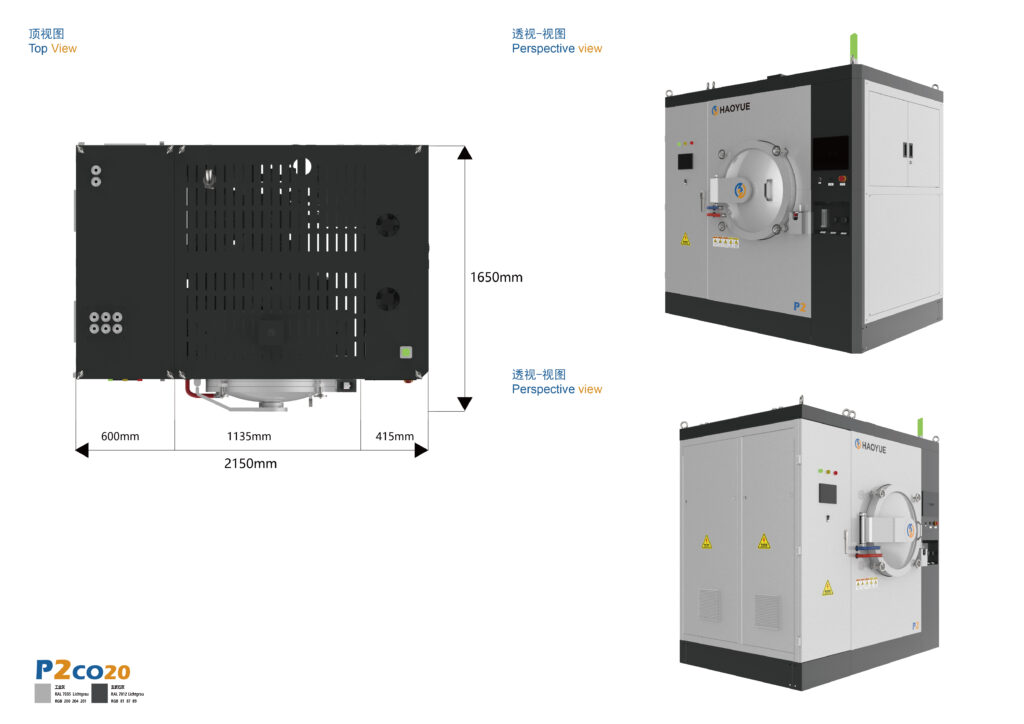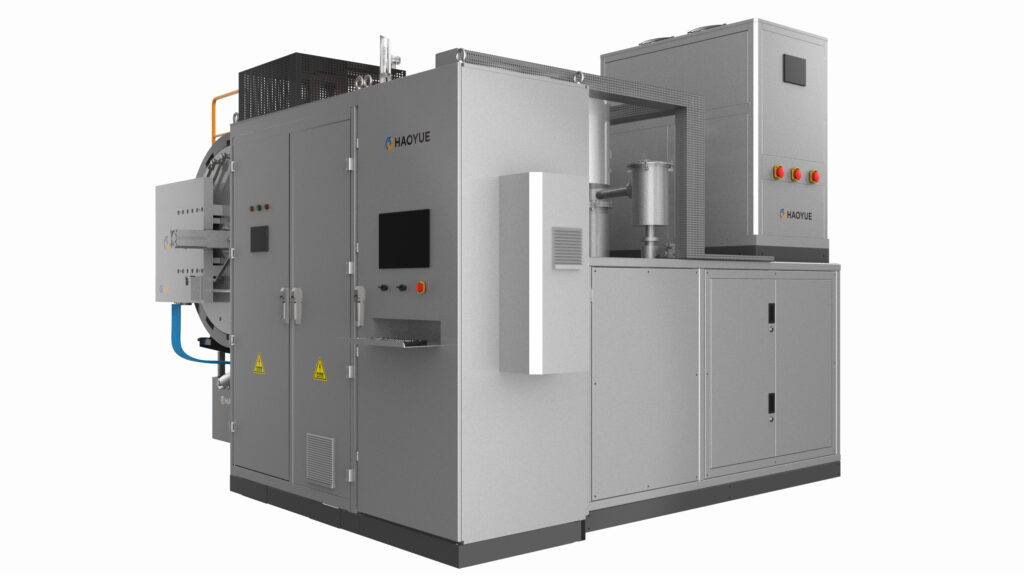






In the rapidly evolving landscape of advanced materials manufacturing, selecting the right thermal processing equipment is paramount to achieving superior mechanical properties and structural integrity. Partnering with an experienced vacuum furnace manufacturer or a specialized vacuum sintering furnace manufacturer allows industrial operators to customize thermal cycles for complex metallurgical demands. Whether your facility is evaluating SPS vs hot pressing for rapid consolidation or assessing the benefits of HIP vs vacuum sintering for eliminating internal porosity, understanding the underlying thermodynamics of the vacuum sintering process is the first step toward process optimization.
Advanced ceramics and refractory metals require precise temperature and atmosphere control to reach full theoretical density. For instance, high-performance ceramics rely heavily on specialized silicon carbide sintering, zirconia sintering process, and alumina sintering process parameters to prevent grain growth and microcracking. In the tooling sector, a robust carbide tool sintering furnace is indispensable for executing precise tungsten carbide sintering and molybdenum sintering cycles. To achieve these extreme temperatures, engineers must choose between a graphite furnace vs molybdenum furnace, balancing the superior thermal efficiency and cost-effectiveness of graphite against the ultra-clean, carbon-free environment provided by molybdenum heating elements.
For ultra-dense material requirements, a gas pressure sintering furnace provides the necessary overpressure to suppress thermal decomposition during consolidation. When comparing vacuum sintering vs pressure sintering, the choice often hinges on the material’s vapor pressure and final density specifications. For rapid, near-net-shape consolidation of advanced materials, consulting an SPS furnace manufacturer or a hot pressing furnace manufacturer can provide insights into electric-field-assisted and mechanical-force-assisted sintering technologies that significantly reduce cycle times compared to conventional thermal methods.
Beyond sintering, high-temperature joining and surface modification require dedicated thermal systems. A leading vacuum brazing furnace manufacturer can engineer systems that optimize the vacuum brazing process, ensuring high-strength, flux-free joints that outperform traditional methods when comparing vacuum brazing vs conventional brazing. Similarly, a vacuum heat treatment furnace manufacturer designs equipment capable of managing complex metallurgical transformations, including the vacuum annealing process and vacuum hardening process. These systems are critical for executing titanium alloy heat treatment, where minimizing oxygen pick-up is vital to preserving the alloy’s fatigue life and ductility.
Different industries demand highly tailored thermal solutions. In high-stakes manufacturing, the aerospace vacuum furnace and aerospace heat treatment furnace are engineered to meet strict Nadcap standards for critical turbine components. The medical sector relies on a dedicated medical implant sintering furnace or a dental implant vacuum furnace to produce biocompatible, high-strength prosthetics. Meanwhile, the clean energy and electronics sectors utilize specialized equipment such as the battery material sintering furnace for electrode powders, the semiconductor vacuum furnace for wafer processing, and the vacuum hydrogen furnace for reducing oxide layers and annealing sensitive electronic components.
Ultimately, selecting the right system requires a comprehensive evaluation of your material requirements, production volumes, and quality standards. Understanding the fundamental differences of a vacuum furnace vs atmosphere furnace—specifically how a vacuum environment prevents oxidation and decarburization—is essential. By partnering with a qualified HIP manufacturer or thermal processing expert, industrial buyers can secure the precise technology needed to drive innovation, enhance product reliability, and achieve a competitive edge in today’s demanding global market.