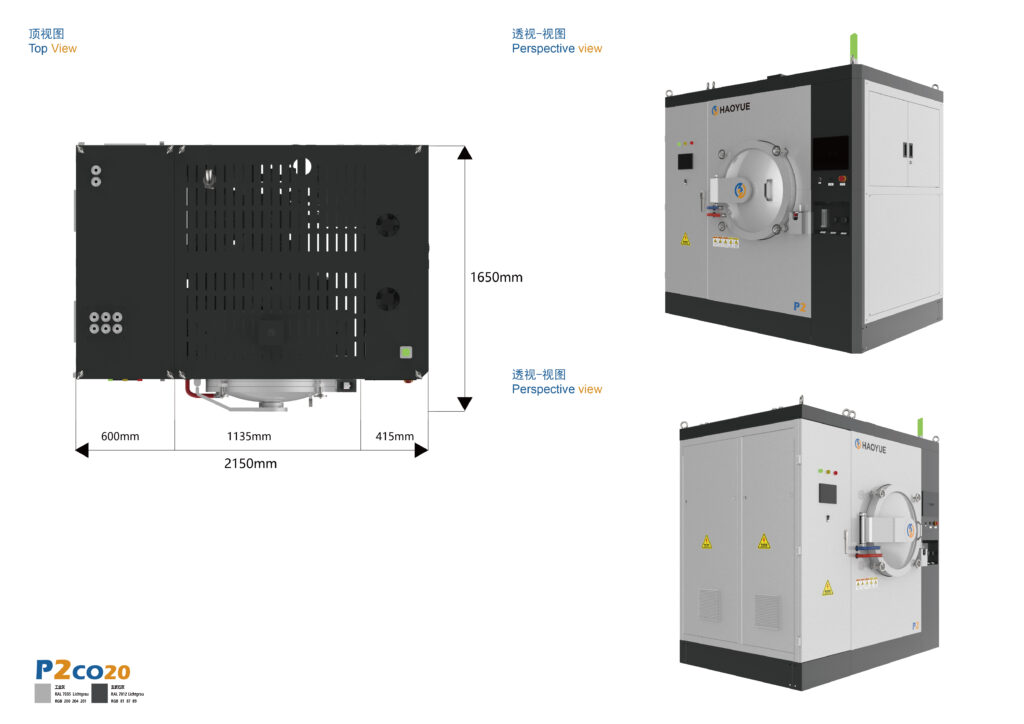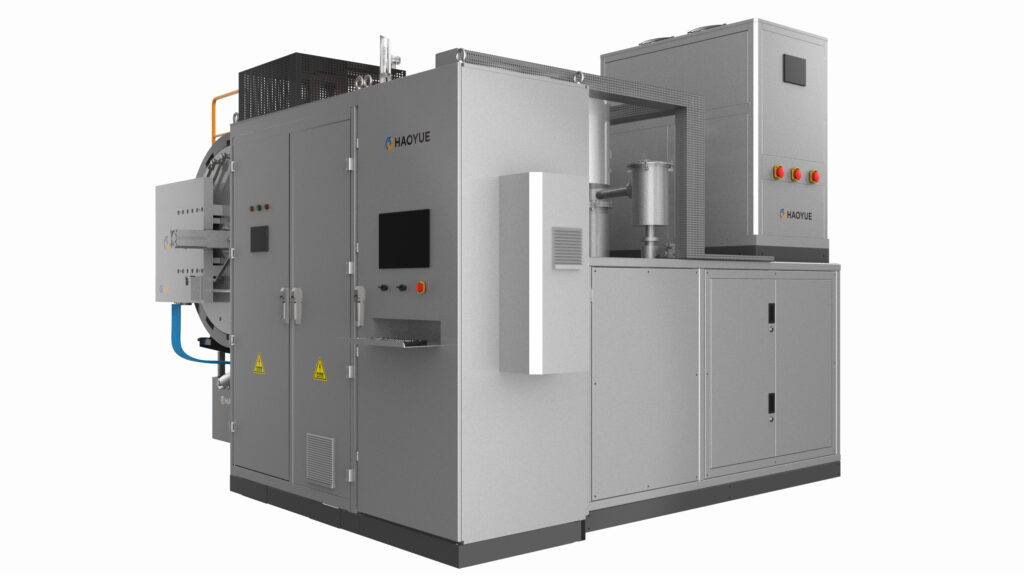






In the demanding landscape of modern manufacturing, precision and material integrity are paramount. Advanced thermal processing technologies, particularly those utilizing vacuum environments, are critical for achieving the superior material properties required across various high-tech industries. A leading vacuum furnace manufacturer understands these intricate needs, providing solutions for everything from high-strength alloys to advanced ceramics. These sophisticated systems facilitate processes like vacuum sintering, vacuum brazing, and vacuum heat treatment, which are indispensable for producing components that meet stringent quality and performance standards.
The realm of high-performance material production heavily relies on the capabilities of a specialized vacuum sintering furnace manufacturer. The vacuum sintering process, for instance, is fundamental for consolidating powders into dense, robust components with minimal contamination. This process is crucial for materials like silicon carbide sintering, zirconia sintering process, and alumina sintering process, where achieving high density and purity is vital. Furthermore, the tungsten carbide sintering and molybdenum sintering processes benefit immensely from vacuum conditions, yielding tools and components with exceptional hardness and wear resistance. For specialized applications, manufacturers offer advanced solutions such as the SPS furnace manufacturer (Spark Plasma Sintering) and hot pressing furnace manufacturer, providing distinct advantages. Understanding the nuances of SPS vs hot pressing or HIP vs vacuum sintering, where HIP (Hot Isostatic Pressing) is often provided by a dedicated HIP manufacturer, is key to selecting the optimal technology. The comparison of vacuum sintering vs pressure sintering further highlights the benefits of controlled atmospheres in achieving desired material microstructures. Industrial applications range from medical implant sintering furnace and dental implant vacuum furnace for biocompatible components to battery material sintering furnace and carbide tool sintering furnace, each requiring specific atmospheric controls and temperature profiles.
Beyond sintering, a proficient vacuum heat treatment furnace manufacturer delivers systems essential for enhancing the mechanical properties of materials. Processes such as vacuum annealing process and vacuum hardening process are performed under vacuum to prevent oxidation and decarburization, ensuring clean, high-quality surfaces and superior metallurgical integrity. The titanium alloy heat treatment, critical for aerospace and medical components, exemplifies the need for precise vacuum control to prevent embrittlement. Similarly, vacuum brazing process, supported by a specialized vacuum brazing furnace manufacturer, offers clean, strong, and leak-tight joints, making it superior to vacuum brazing vs conventional brazing methods in many high-performance applications. These advanced furnaces are integral to industries requiring the highest standards, including the aerospace vacuum furnace for engine components and the aerospace heat treatment furnace for structural parts. The semiconductor vacuum furnace, often complemented by a vacuum hydrogen furnace for specific reduction processes, plays a pivotal role in manufacturing microelectronic devices where even trace contaminants can compromise performance. The continuous evolution of gas pressure sintering furnace technology also demonstrates the drive towards achieving even greater material densities and properties.
When considering industrial thermal processing solutions, the choice often comes down to fundamental differences, such as vacuum furnace vs atmosphere furnace. Vacuum furnaces consistently offer superior cleanliness, tighter process control, and often better material properties due to the absence of reactive gases. The internal construction also varies, with discussions around graphite furnace vs molybdenum furnace highlighting different temperature capabilities and material compatibility. Ultimately, partnering with an experienced vacuum furnace manufacturer is crucial. Their expertise in designing and engineering tailored solutions, from a compact semiconductor vacuum furnace to a large-scale HIP manufacturer system, ensures that industrial equipment buyers, engineers, and industry practitioners can achieve their precise manufacturing goals with reliability and efficiency.