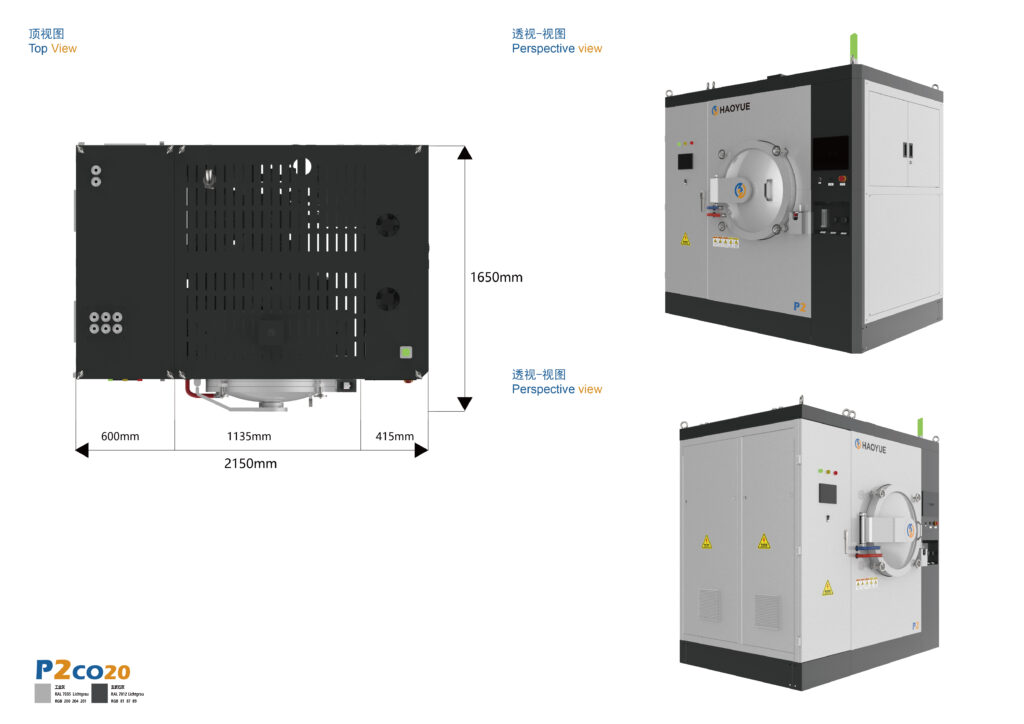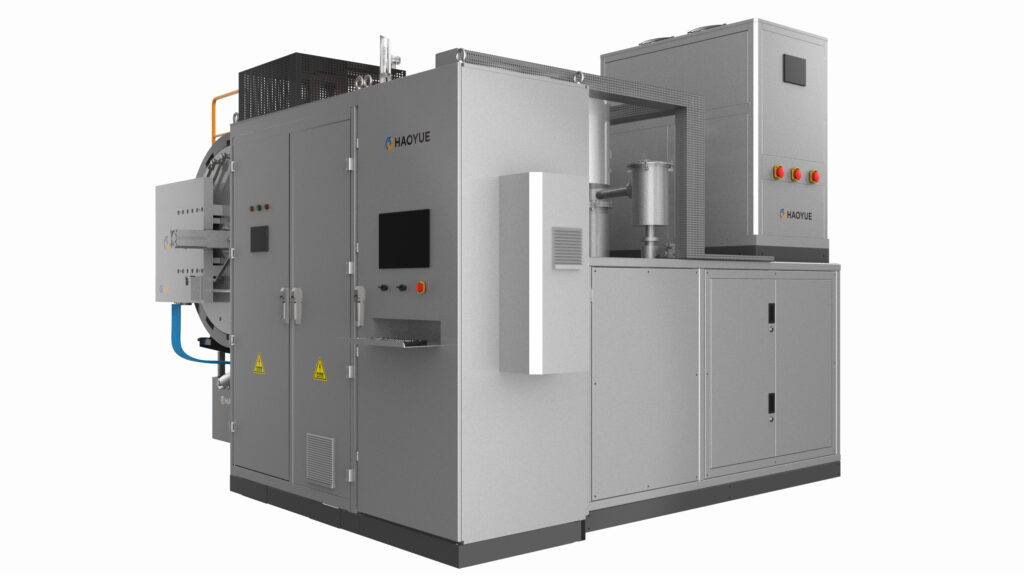






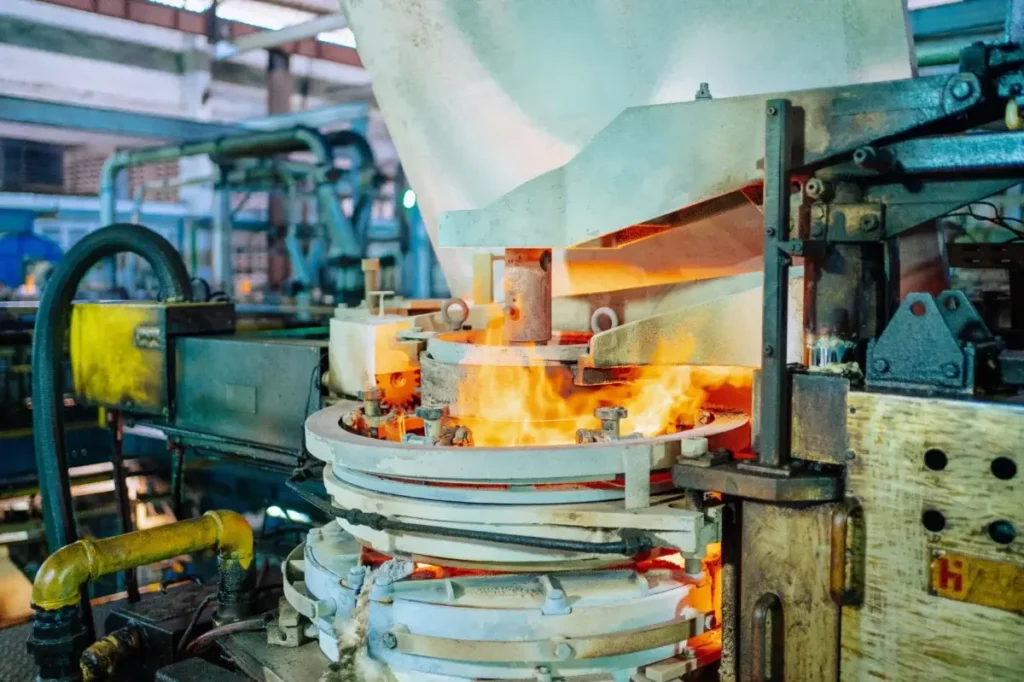
In the relentless pursuit of superior material performance across critical industries, advanced thermal processing technologies are indispensable. Modern industrial operations increasingly rely on specialized equipment from a leading vacuum furnace manufacturer to achieve the stringent material properties required for high-stakes applications. From intricate component fabrication to enhancing metallurgical characteristics, the capabilities of a sophisticated vacuum sintering furnace manufacturer and vacuum heat treatment furnace manufacturer are transforming manufacturing landscapes worldwide.
The realm of material densification is profoundly impacted by vacuum technologies. The vacuum sintering process is paramount for producing high-density, defect-free components from powdered materials. For specialized applications, an SPS furnace manufacturer or hot pressing furnace manufacturer provides solutions that utilize pressure alongside heat to achieve even greater material integrity. Whether it’s silicon carbide sintering for extreme durability, zirconia sintering process for biomedical devices, alumina sintering process for ceramic tools, or the densification of advanced metals like tungsten carbide sintering and molybdenum sintering, vacuum environments offer unparalleled control. When considering advanced consolidation, the choice between SPS vs hot pressing or understanding HIP vs vacuum sintering highlights the diverse approaches available for material optimization, with a reputable HIP manufacturer offering specialized solutions, often complementing a gas pressure sintering furnace for complex geometries.
Beyond sintering, vacuum technology is critical for various heat treatment applications, ensuring materials achieve their optimal mechanical and chemical properties. The vacuum annealing process is vital for stress relief and improving ductility, while the vacuum hardening process is essential for increasing the hardness and wear resistance of metals. For instance, sophisticated titanium alloy heat treatment requires precise temperature and atmosphere control that only a vacuum environment can provide. Comparing a vacuum furnace vs atmosphere furnace immediately reveals the superior purity and consistency offered by vacuum systems, eliminating oxidation and contamination risks. Furthermore, the vacuum brazing process, facilitated by a dedicated vacuum brazing furnace manufacturer, offers superior joint strength and cleanliness compared to vacuum brazing vs conventional brazing methods, making it ideal for joining dissimilar materials.
The applications for these advanced furnaces span a multitude of high-tech sectors. An aerospace vacuum furnace and aerospace heat treatment furnace are critical for manufacturing components that withstand extreme conditions, ensuring flight safety and performance. In the medical field, a medical implant sintering furnace and dental implant vacuum furnace are fundamental for creating biocompatible, high-strength prosthetics. The burgeoning electronics industry relies heavily on a specialized semiconductor vacuum furnace for critical processing steps, ensuring the purity and integrity of sensitive electronic components. Similarly, the energy sector benefits from a battery material sintering furnace for advanced battery production, and manufacturers of durable tools depend on a carbide tool sintering furnace for superior wear resistance.
When selecting the right equipment, industrial buyers must consider the specific furnace characteristics. For example, understanding the advantages of a graphite furnace vs molybdenum furnace is crucial, as each offers distinct benefits in terms of temperature capabilities, material compatibility, and cost-effectiveness. A forward-thinking vacuum furnace manufacturer will often provide tailored solutions, including advanced systems like a vacuum hydrogen furnace for specialized reduction processes. The decision to invest in a specific technology, such as exploring vacuum sintering vs pressure sintering, ultimately depends on the desired material properties, production volume, and cost efficiency. Partnering with an experienced vacuum sintering furnace manufacturer or a general vacuum furnace manufacturer is key to leveraging these technologies effectively.
In conclusion, the precision and purity afforded by modern vacuum furnaces are indispensable for achieving cutting-edge material performance across diverse industrial sectors. From the intricate demands of semiconductor vacuum furnace applications to the robust requirements of aerospace components, these advanced systems enable the creation of materials with unparalleled integrity and functionality. As industries continue to push the boundaries of innovation, the role of a reliable vacuum furnace manufacturer in providing high-quality, specialized equipment will remain central to technological progress and competitive advantage.
Frequently Asked Questions
What are the main benefits of using a vacuum sintering furnace in material densification?
Vacuum sintering furnaces offer unparalleled control over the environment, leading to high-density, defect-free components. This is crucial for applications requiring extreme durability or specific material properties, such as silicon carbide or zirconia sintering. The vacuum environment minimizes contamination and oxidation, ensuring superior material integrity.
How does vacuum heat treatment differ from conventional methods?
Vacuum heat treatment provides a controlled environment that prevents oxidation and contamination, enhancing the mechanical and chemical properties of materials. Processes like vacuum annealing and vacuum hardening are crucial for stress relief, increased ductility, and improved hardness, which are not as effectively achieved with conventional methods.
Why is vacuum brazing preferred over conventional brazing methods?
Vacuum brazing offers superior joint strength and cleanliness by eliminating oxidation and contamination, which are common in conventional brazing. This makes it ideal for joining dissimilar materials, ensuring high-quality, durable joints essential for demanding applications across various industries.
What considerations should be made when choosing between a graphite furnace and a molybdenum furnace?
The choice between a graphite and molybdenum furnace depends on temperature capabilities, material compatibility, and cost-effectiveness. Graphite furnaces generally offer higher temperature capabilities, while molybdenum furnaces might be preferred for specific material interactions and cost benefits. Understanding these differences is crucial for selecting the right furnace for specific applications.
How do vacuum furnaces benefit the aerospace and medical industries specifically?
In aerospace, vacuum furnaces ensure components can withstand extreme conditions, critical for flight safety and performance. In the medical field, they create biocompatible, high-strength prosthetics, such as medical and dental implants, by providing precise control over sintering and heat treatment processes, essential for high-quality, reliable products.
What are the advantages of using a vacuum furnace in the electronics and energy sectors?
In electronics, vacuum furnaces ensure the purity and integrity of sensitive components, crucial for semiconductor manufacturing. In the energy sector, they optimize battery material sintering, enhancing performance and longevity of advanced batteries. This precision and control are vital for maintaining high standards in these high-tech industries.