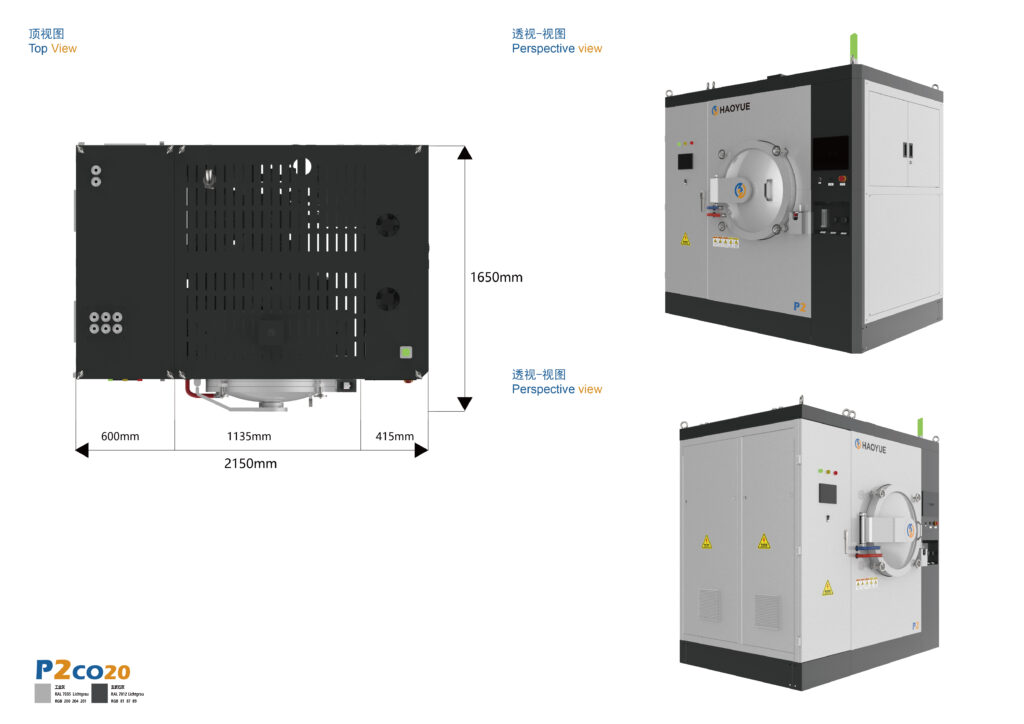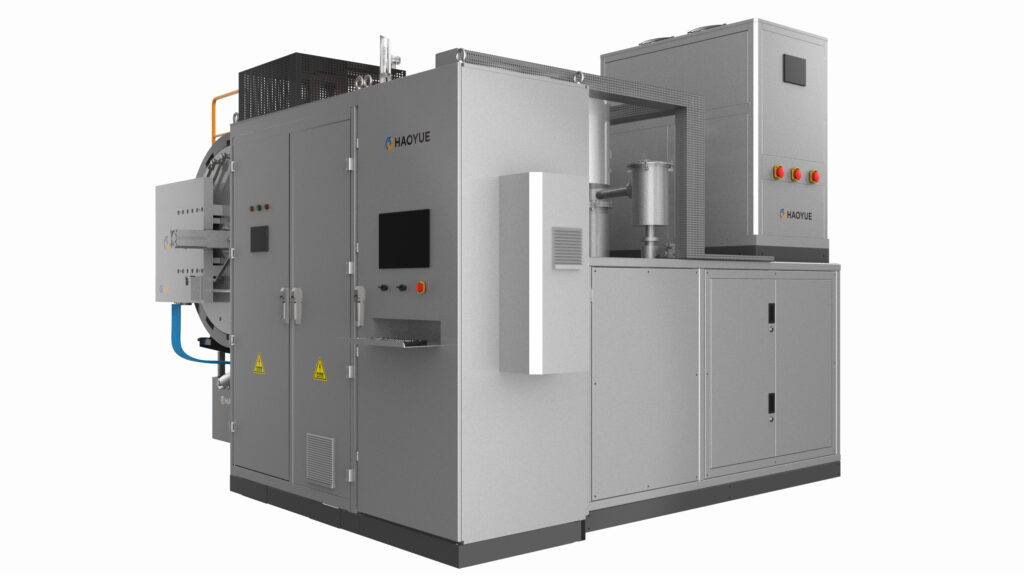






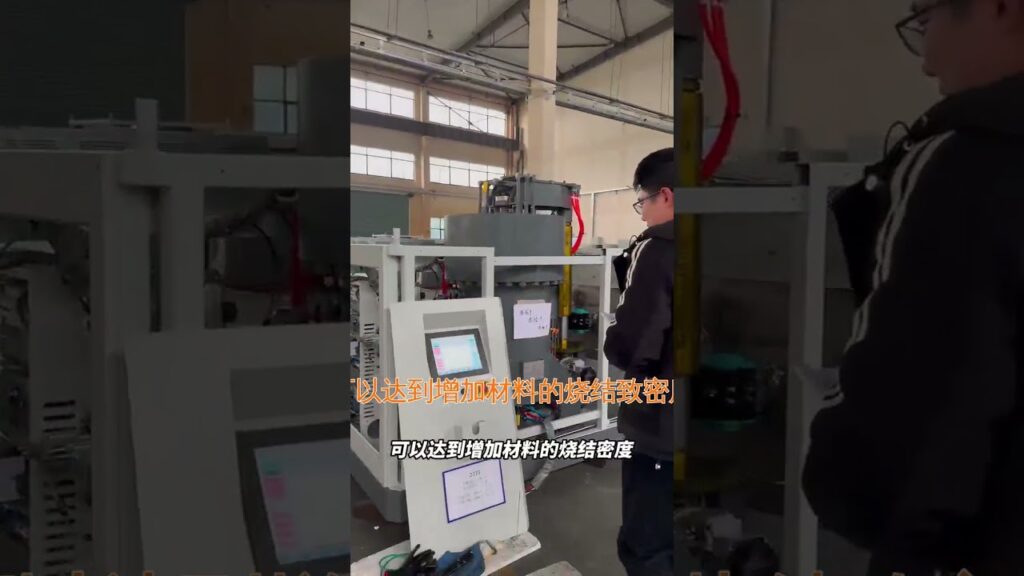
In the demanding world of advanced materials, the precision and purity offered by vacuum furnace technologies are indispensable. From enhancing mechanical properties to creating complex components, the capabilities of a leading vacuum furnace manufacturer are critical across numerous high-tech sectors. This article delves into the transformative power of the vacuum sintering process, various heat treatment methodologies, and specialized furnace applications, guiding engineers and industrial buyers through this complex landscape.
At its core, a vacuum heat treatment furnace manufacturer provides solutions that leverage low-pressure environments to prevent oxidation and contamination during thermal processing. This controlled atmosphere is crucial for processes like vacuum annealing process, which improves ductility and reduces internal stresses, and the vacuum hardening process, which significantly enhances material hardness and wear resistance. Materials requiring precise control, such as those undergoing titanium alloy heat treatment, benefit immensely from these conditions, ensuring optimal microstructure and performance.
Moving beyond conventional heat treatment, advanced sintering techniques represent a frontier in material science. For instance, an SPS furnace manufacturer specializes in spark plasma sintering, a rapid method ideal for achieving high densities in materials like silicon carbide sintering and complex ceramics. Similarly, a hot pressing furnace manufacturer offers equipment for densifying powders under simultaneous heat and pressure, often for applications where conventional sintering falls short. The comparison of SPS vs hot pressing often highlights throughput and material specific advantages. Another critical technology is Hot Isostatic Pressing (HIP), and a proficient HIP manufacturer designs systems that apply high pressure and temperature to eliminate internal porosity. Understanding HIP vs vacuum sintering reveals distinct benefits for final product density and integrity. Furthermore, the gas pressure sintering furnace provides an alternative to achieve full density in certain ceramics, offering unique advantages compared to vacuum sintering vs pressure sintering, especially for materials like zirconia sintering process, alumina sintering process, tungsten carbide sintering, and molybdenum sintering.
Beyond sintering, vacuum technology plays a vital role in joining and specialized material production. A dedicated vacuum brazing furnace manufacturer creates equipment essential for robust, clean, and void-free joints, a significant advantage of vacuum brazing vs conventional brazing. These furnaces are crucial in demanding applications, including components for aerospace vacuum furnace and aerospace heat treatment furnace systems, where reliability is paramount. The medical sector also heavily relies on these technologies, with the medical implant sintering furnace and dental implant vacuum furnace ensuring biocompatibility and structural integrity. The burgeoning semiconductor industry utilizes the semiconductor vacuum furnace for critical processing steps, while the demand for advanced energy storage drives the need for a high-performance battery material sintering furnace. Even precision tools benefit, with the carbide tool sintering furnace producing durable cutting implements, often utilizing a vacuum hydrogen furnace for specific reduction atmospheres.
When selecting equipment, understanding the nuances between different furnace types is crucial. The choice between a vacuum furnace vs atmosphere furnace often comes down to the required purity, material reactivity, and process control. Similarly, the construction of the heating zone is vital, leading to discussions around graphite furnace vs molybdenum furnace, each offering distinct temperature capabilities and material compatibility. Whether you require a specialized semiconductor vacuum furnace or a versatile system for the vacuum sintering process, partnering with an experienced vacuum sintering furnace manufacturer is key to achieving consistent, high-quality results. The expertise of a reliable vacuum furnace manufacturer ensures that industrial equipment buyers and engineers can confidently implement these sophisticated technologies for their most critical applications.
Related Products & Services
- Vacuum Sintering Furnace – Advanced sintering solutions from HaoYue Group.
- SPS Spark Plasma Sintering System – High-performance SPS solutions from HaoYue Group.
- SPS Spark Plasma Sintering System
Looking for high-quality vacuum furnace solutions? Contact HaoYue Group today.
Related Products & Services
- Vacuum Sintering Furnace – Advanced sintering solutions from HaoYue Group.
- SPS Spark Plasma Sintering System – High-performance SPS solutions from HaoYue Group.
- SPS Spark Plasma Sintering System
Looking for high-quality vacuum furnace solutions? Contact HaoYue Group for more information.
Related Products & Services
- Vacuum Sintering Furnace – Advanced sintering solutions from HaoYue Group.
- SPS Spark Plasma Sintering System
- SPS Spark Plasma Sintering System
Looking for high-quality vacuum furnace solutions? Contact HaoYue Group for more information.
Frequently Asked Questions
What are the main advantages of using vacuum furnaces in heat treatment processes?
Vacuum furnaces offer a controlled atmosphere that prevents oxidation and contamination, crucial for processes like vacuum annealing and vacuum hardening. This environment ensures optimal microstructure and performance, enhancing material properties such as ductility, hardness, and wear resistance, especially in materials like titanium alloys.
How do advanced sintering techniques like SPS and hot pressing differ in their applications?
Spark Plasma Sintering (SPS) is rapid and ideal for achieving high densities in materials like silicon carbide and complex ceramics. Hot pressing, on the other hand, densifies powders under simultaneous heat and pressure, suitable for applications where conventional sintering is inadequate. The choice often depends on throughput requirements and material-specific advantages.
Why is Hot Isostatic Pressing (HIP) preferred over vacuum sintering for certain applications?
HIP applies high pressure and temperature to eliminate internal porosity, resulting in superior product density and integrity. While vacuum sintering is effective, HIP is favored for applications requiring flawless material consistency and strength, making it ideal for components where reliability is critical.
In what scenarios is a vacuum brazing furnace preferred over conventional brazing methods?
Vacuum brazing furnaces are preferred for creating robust, clean, and void-free joints, which are crucial in demanding applications like aerospace and medical sectors. The absence of oxidation and contamination in the vacuum environment ensures superior joint integrity compared to conventional brazing.
What role do vacuum furnaces play in the semiconductor industry?
In the semiconductor industry, vacuum furnaces are essential for critical processing steps that require high purity and precision. They ensure that materials and components maintain their integrity and performance, which is vital for the production of reliable semiconductor devices.
How does the choice between a graphite furnace and a molybdenum furnace impact the heat treatment process?
The choice between graphite and molybdenum furnaces depends on temperature capabilities and material compatibility. Graphite furnaces offer higher temperature capabilities, while molybdenum furnaces provide better performance for materials sensitive to carbon. The selection is based on the specific requirements of the heat treatment process.