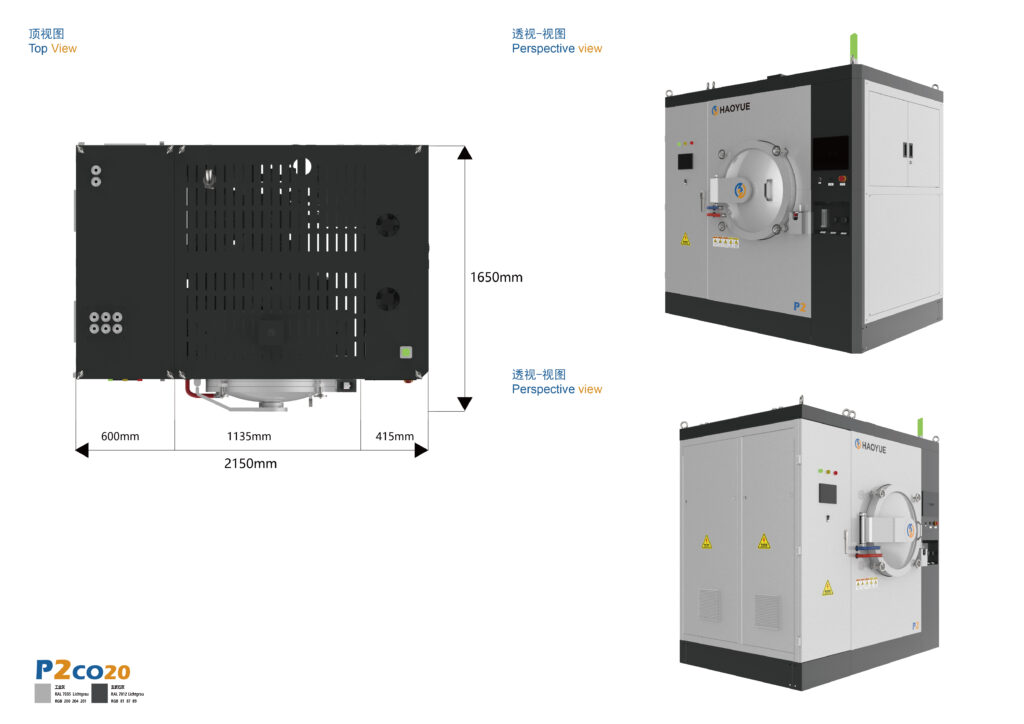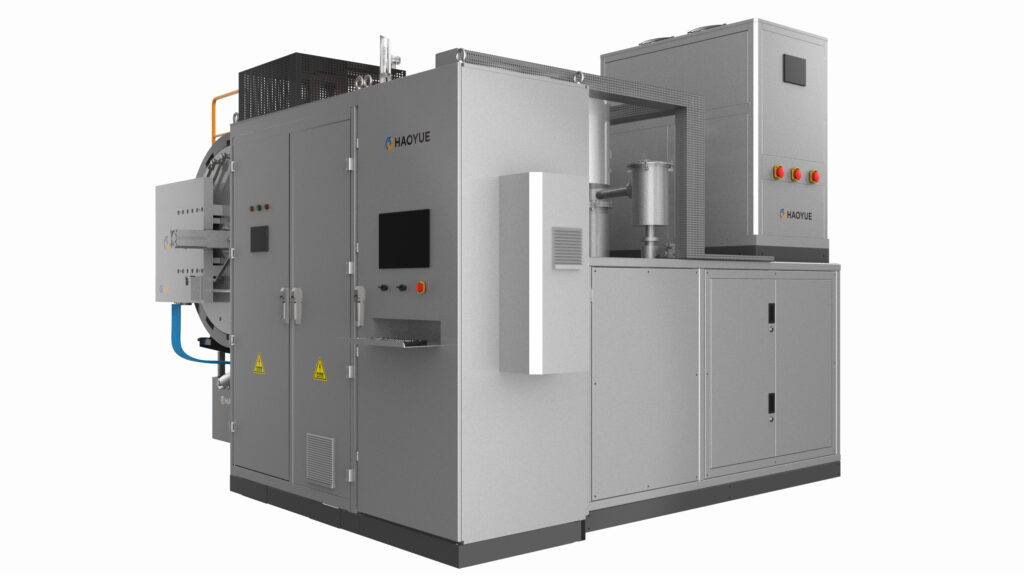






The demand for high-performance materials across diverse industries, from aerospace to medical, necessitates sophisticated thermal processing techniques. At the heart of this advancement lies the precision and control offered by vacuum furnace technology. For engineers and equipment buyers seeking unparalleled material properties, understanding the capabilities of a leading vacuum sintering furnace manufacturer or vacuum heat treatment furnace manufacturer is paramount.
Advanced sintering techniques are crucial for producing materials with superior density and microstructure. The vacuum sintering process, for instance, is indispensable for creating components from ceramics and metals that require high purity and excellent mechanical properties. This process is vital for applications like silicon carbide sintering, zirconia sintering process, and alumina sintering process, where atmospheric contaminants can compromise material integrity. Furthermore, the manufacturing of robust components for tooling and wear parts heavily relies on tungsten carbide sintering and molybdenum sintering, often performed in specialized vacuum environments to achieve optimal results. For those pushing the boundaries of material science, innovative solutions from an SPS furnace manufacturer or hot pressing furnace manufacturer offer unique advantages, especially when considering the rapid densification and fine grain structures achieved through techniques like SPS vs hot pressing.
Beyond sintering, vacuum technology is fundamental to various heat treatment and joining processes. The vacuum annealing process enhances ductility and reduces internal stresses in metals, while the vacuum hardening process provides exceptional surface hardness and wear resistance, particularly critical for high-stress components. Titanium alloy heat treatment, a complex process, significantly benefits from vacuum environments to prevent oxidation and maintain material integrity. Similarly, precision joining of dissimilar materials is often achieved through the vacuum brazing process, a superior alternative to conventional methods. A reliable vacuum brazing furnace manufacturer provides equipment that ensures strong, clean, and void-free joints, demonstrating the clear benefits of vacuum brazing vs conventional brazing.
The applications for these advanced furnaces span a multitude of critical sectors. An aerospace vacuum furnace or aerospace heat treatment furnace is essential for manufacturing lightweight, high-strength components capable of withstanding extreme conditions. In the medical field, a medical implant sintering furnace and dental implant vacuum furnace are vital for producing biocompatible and durable prosthetics. The burgeoning electronics industry relies on a specialized semiconductor vacuum furnace and vacuum hydrogen furnace for critical processing steps. Additionally, a battery material sintering furnace is key to developing next-generation energy storage solutions, while a carbide tool sintering furnace ensures the production of high-performance cutting tools. When evaluating equipment, it’s also important to consider the differences, such as HIP vs vacuum sintering or vacuum sintering vs pressure sintering, to match the technology precisely to the material’s needs. The choice between a graphite furnace vs molybdenum furnace also depends on process temperature and material compatibility, highlighting the need for expert guidance from a reputable vacuum furnace manufacturer.
For industrial equipment buyers and engineers, partnering with an experienced vacuum furnace manufacturer is crucial. Whether you require a robust HIP manufacturer for high-pressure densification or a versatile gas pressure sintering furnace for specific applications, the right supplier offers tailored solutions. The distinction between a vacuum furnace vs atmosphere furnace is stark in terms of purity, control, and material properties achievable. Investing in high-quality vacuum thermal processing equipment ensures not only superior product performance but also long-term operational efficiency and compliance with stringent industry standards. By choosing a manufacturer with deep expertise in these advanced technologies, industries can continue to innovate and push the boundaries of material science and engineering.