





In the demanding world of advanced materials and precision manufacturing, the role of specialized thermal processing equipment cannot be overstated. From enhancing mechanical properties to achieving complex material structures, the right furnace technology is paramount. This article delves into the critical applications and distinctions of vacuum furnace technologies, guiding industrial equipment buyers, engineers, and practitioners through the intricacies of modern material processing.
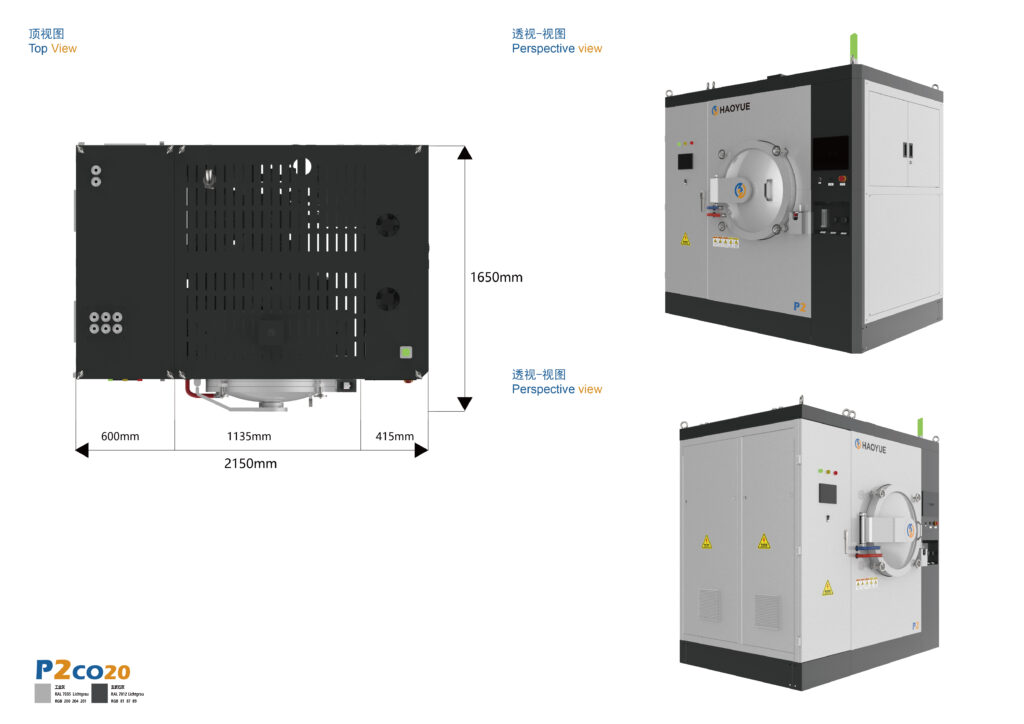
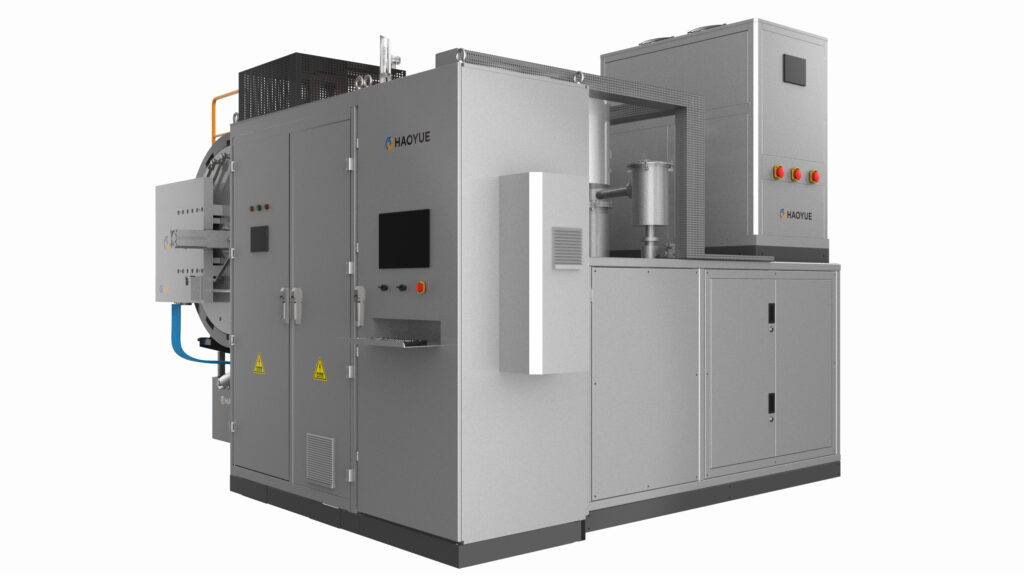
At the heart of many high-performance material applications lies the expertise of a reliable vacuum furnace manufacturer. These manufacturers are crucial in providing the foundational equipment for various industries. For instance, a dedicated vacuum sintering furnace manufacturer supplies the core technology for creating dense, high-strength components. Similarly, a vacuum heat treatment furnace manufacturer is essential for processes that modify material properties without compromising surface integrity. Specialized units like the SPS furnace manufacturer and hot pressing furnace manufacturer cater to specific densification needs, while a HIP manufacturer offers advanced capabilities for challenging materials. Furthermore, niche applications benefit from a semiconductor vacuum furnace, vacuum hydrogen furnace, or a gas pressure sintering furnace, each designed for precise environmental control.
The success of advanced material fabrication often hinges on the chosen process. The vacuum sintering process is widely employed for ceramics, metals, and composites, offering superior control over atmosphere and temperature. For critical joining applications, the vacuum brazing process provides strong, clean bonds, proving its superiority when comparing vacuum brazing vs conventional brazing. Heat treatment processes like vacuum annealing process and vacuum hardening process are vital for optimizing material ductility and hardness, respectively. Material-specific sintering processes are also critical: think silicon carbide sintering for extreme hardness, zirconia sintering process for biocompatible ceramics, alumina sintering process for high-temperature resistance, tungsten carbide sintering for cutting tools, and molybdenum sintering for high-temperature structural components. The precise control offered by these vacuum environments is indispensable for achieving desired material properties, particularly in complex operations like titanium alloy heat treatment.
The applications for these advanced furnaces span a multitude of high-stakes industries. The stringent requirements of the aerospace sector demand an aerospace vacuum furnace and aerospace heat treatment furnace for components that operate under extreme conditions. In the medical field, a medical implant sintering furnace and dental implant vacuum furnace are indispensable for producing biocompatible and durable prosthetics. The electronics industry relies heavily on the semiconductor vacuum furnace for critical fabrication steps, while the burgeoning energy sector utilizes a battery material sintering furnace to optimize electrode performance. For tooling and manufacturing, a carbide tool sintering furnace ensures the production of highly durable cutting implements.
Understanding the distinct advantages of various technologies is key to making informed investment decisions. When considering densification methods, comparing SPS vs hot pressing reveals differences in speed and pressure application, each suited for particular material types. Evaluating HIP vs vacuum sintering highlights the role of isostatic pressure in achieving near-net-shape parts with minimal porosity. Similarly, contrasting vacuum sintering vs pressure sintering underscores the benefits of vacuum for purity and the added densification from pressure. The fundamental choice between a vacuum furnace vs atmosphere furnace often comes down to the need for a contamination-free environment and precise atmospheric control. Even within vacuum furnaces, the choice between a graphite furnace vs molybdenum furnace depends on operating temperature, material compatibility, and overall cost considerations. Each comparison illuminates a specific advantage, guiding users to the optimal solution for their unique challenges.
In conclusion, the landscape of advanced materials manufacturing is continually evolving, driven by innovations in thermal processing. From the specialized offerings of a vacuum furnace manufacturer to the intricate demands of silicon carbide sintering, the mastery of these technologies is critical. By understanding the capabilities of various equipment, the nuances of specific processes, and the strategic advantages offered by different furnace types, industrial practitioners can unlock new levels of material performance and manufacturing efficiency. Investing in the right vacuum furnace technology is not just about purchasing equipment; it’s about securing a competitive edge in an increasingly sophisticated industrial world.