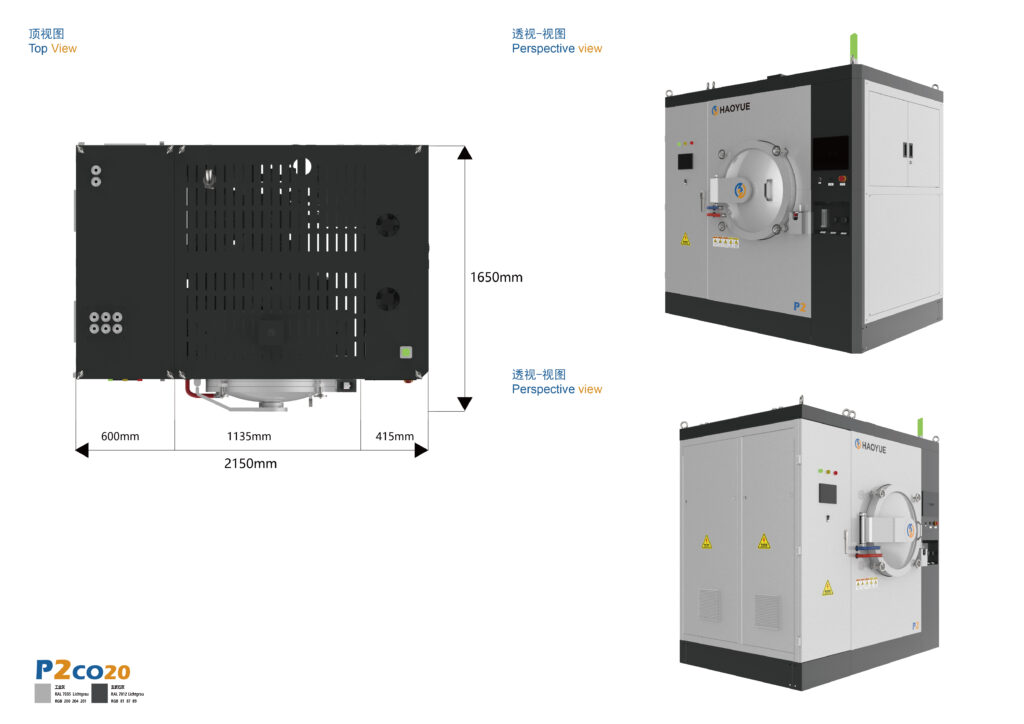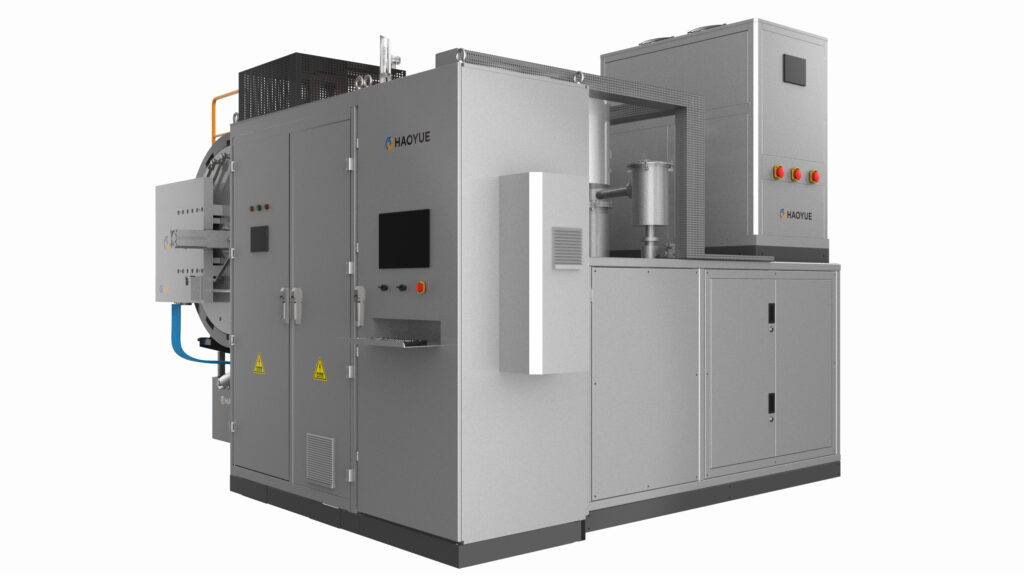






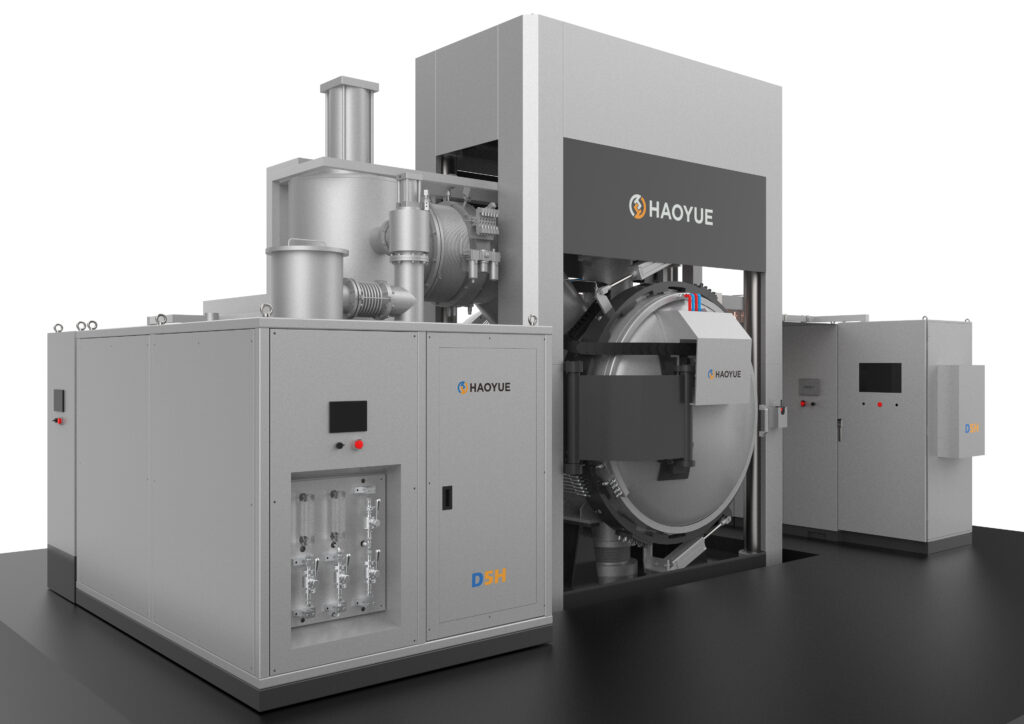
In the demanding world of advanced materials, the precision and integrity of components are paramount. This is where the sophisticated capabilities of a leading vacuum furnace manufacturer become indispensable, driving innovation across various industries from aerospace to medical devices. Modern manufacturing relies heavily on controlled thermal processing, making the selection of an expert vacuum heat treatment furnace manufacturer critical for achieving superior material properties.
The core of many high-performance applications lies in the vacuum sintering process. This technique, facilitated by a specialized vacuum sintering furnace manufacturer, allows for the creation of dense, high-strength parts from powdered materials. For challenging materials like silicon carbide sintering, zirconia sintering process, or alumina sintering process, vacuum conditions prevent oxidation and ensure precise microstructure control. Similarly, in the realm of hard materials, tungsten carbide sintering and molybdenum sintering benefit immensely from the oxygen-free environment provided by advanced sintering furnaces. When comparing methods, buyers often evaluate SPS vs hot pressing or consider the advantages of HIP vs vacuum sintering, with each offering unique benefits depending on the material and desired density. The choice between a conventional vacuum sintering vs pressure sintering often comes down to specific application requirements and cost-efficiency.
Beyond sintering, vacuum technology is fundamental to various heat treatment and joining processes. The vacuum annealing process and vacuum hardening process are essential for optimizing the mechanical properties of metals, particularly for critical applications like titanium alloy heat treatment in aerospace. A dedicated vacuum brazing furnace manufacturer provides solutions for the vacuum brazing process, a superior joining method that offers clean, high-strength bonds without flux. Comparing vacuum brazing vs conventional brazing clearly highlights the advantages in terms of joint quality, cleanliness, and material compatibility, making it the preferred choice for high-reliability components.
The applications for these advanced furnaces are diverse and critical. The aerospace industry relies on the robust performance of an aerospace vacuum furnace and an aerospace heat treatment furnace for components exposed to extreme conditions. In healthcare, a medical implant sintering furnace and dental implant vacuum furnace ensure the biocompatibility and durability of life-critical devices. The semiconductor sector extensively uses a specialized semiconductor vacuum furnace and vacuum hydrogen furnace for processing sensitive materials, while the energy sector benefits from a battery material sintering furnace for next-generation power solutions. Furthermore, the longevity and performance of cutting tools are enhanced by a carbide tool sintering furnace. Manufacturers also consider the nuances of furnace construction, weighing options like a graphite furnace vs molybdenum furnace based on temperature, atmosphere, and material compatibility. The innovation of a gas pressure sintering furnace further extends the capabilities for achieving fully dense materials.
Ultimately, selecting the right partner, whether it’s an experienced vacuum furnace manufacturer or an innovative SPS furnace manufacturer, is crucial. The advantages of a vacuum furnace vs atmosphere furnace are clear: superior material purity, precise process control, and enhanced component performance. Partnering with a reputable hot pressing furnace manufacturer or HIP manufacturer ensures access to cutting-edge technology and expert support, guaranteeing that your advanced materials meet the highest standards of quality and reliability. These manufacturers are not just equipment providers; they are integral to the progress of modern industrial technology.
Related Products & Services
- Vacuum Sintering Furnace – Advanced sintering solutions from HaoYue Group.
- SPS Spark Plasma Sintering System – High-performance SPS solutions from HaoYue Group.
- Vacuum Hot Press Furnace
Looking for high-quality vacuum furnace solutions? Contact HaoYue Group today.
Related Products & Services
- Vacuum Sintering Furnace – Advanced sintering solutions from HaoYue Group.
- SPS Spark Plasma Sintering System – High-performance SPS solutions from HaoYue Group.
- SPS Spark Plasma Sintering System
Looking for high-quality vacuum furnace solutions? Contact HaoYue Group for more information.
Related Products & Services
- Vacuum Sintering Furnace – Advanced sintering solutions from HaoYue Group.
- SPS Spark Plasma Sintering System
- SPS Spark Plasma Sintering System
Looking for high-quality vacuum furnace solutions? Contact HaoYue Group for more information.
Frequently Asked Questions
Why is vacuum sintering preferred for materials like silicon carbide and tungsten carbide?
Vacuum sintering is preferred for materials like silicon carbide and tungsten carbide because it prevents oxidation and allows for precise control over the microstructure, resulting in dense and high-strength parts. The oxygen-free environment of vacuum sintering ensures that these challenging materials maintain their integrity and performance.
What are the advantages of using a vacuum brazing process over conventional brazing?
The vacuum brazing process offers several advantages over conventional brazing, including cleaner and high-strength joints without the need for flux. This makes vacuum brazing ideal for high-reliability components, as it ensures better joint quality, cleanliness, and material compatibility, which are crucial in industries like aerospace and medical devices.
How does the choice between SPS and hot pressing affect the sintering process?
The choice between SPS (Spark Plasma Sintering) and hot pressing affects the sintering process by offering different benefits depending on the material and desired density. SPS provides faster heating rates and can achieve finer microstructures, while hot pressing is generally more cost-efficient for larger production volumes. The decision often depends on specific application requirements.
What role do vacuum furnaces play in the aerospace industry?
In the aerospace industry, vacuum furnaces are crucial for processing components that must withstand extreme conditions. They are used for vacuum annealing and hardening processes, as well as titanium alloy heat treatments, to optimize mechanical properties and ensure reliability and performance of aerospace components.
How do manufacturers decide between using a graphite furnace and a molybdenum furnace?
Manufacturers decide between a graphite furnace and a molybdenum furnace based on factors like temperature, atmosphere, and material compatibility. Graphite furnaces are typically used for higher temperatures, while molybdenum furnaces offer better performance in certain atmospheres. The choice depends on the specific requirements of the material being processed.
What is the significance of selecting the right vacuum furnace manufacturer?
Selecting the right vacuum furnace manufacturer is significant because they provide not only the equipment but also access to cutting-edge technology and expert support. A reputable manufacturer ensures that advanced materials meet high standards of quality and reliability, which is essential for industries like aerospace, healthcare, and semiconductors.