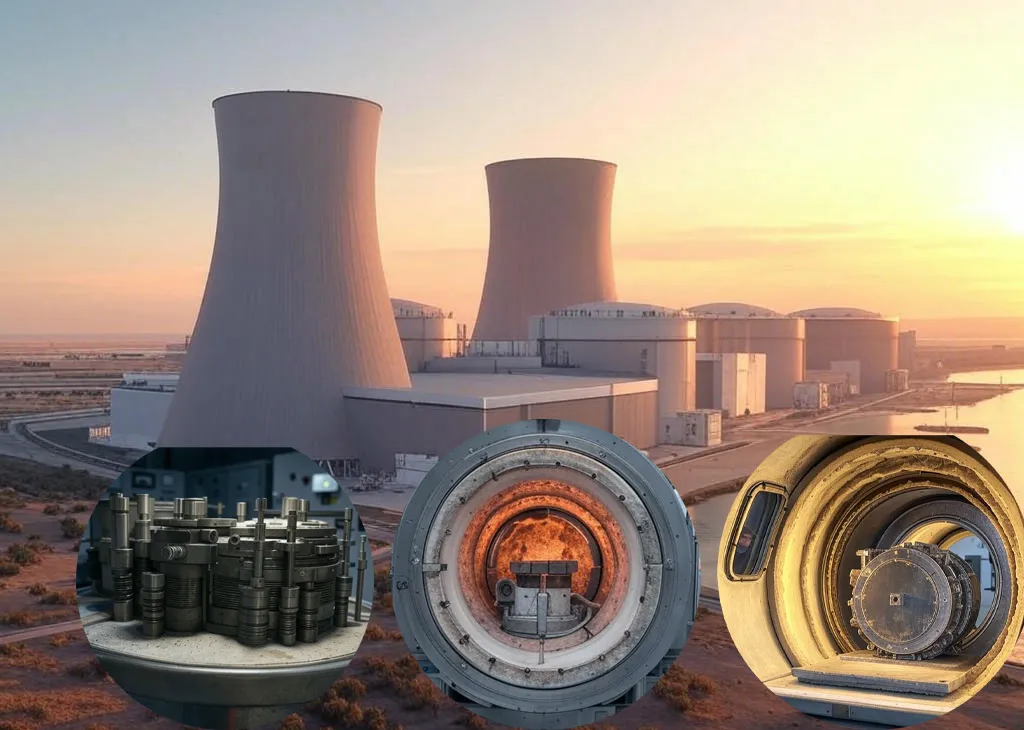






In the realm of advanced material processing, the production of high-performance components relies heavily on precision manufacturing techniques. Among these, vacuum sintering stands as a critical process, particularly for refractory metals like molybdenum. A molybdenum powder vacuum sintering furnace is an indispensable piece of equipment engineered to transform compacted molybdenum powder into dense, robust, and impurity-free components. This specialized furnace leverages controlled high temperatures within a vacuum environment, facilitating the atomic diffusion and bonding of powder particles without the detrimental effects of atmospheric contamination.
The global demand for materials exhibiting exceptional strength, high melting points, and superior thermal conductivity continues to surge across diverse industrial sectors. Molybdenum, with its unique combination of properties, is at the forefront of this demand. Consequently, the market for advanced sintering solutions, particularly those capable of high-temperature vacuum sintering of molybdenum powder, is experiencing significant growth. Industries ranging from aerospace and defense to electronics, medical devices, and renewable energy are increasingly seeking components manufactured from sintered molybdenum due to its unparalleled performance in extreme conditions. The precise control offered by industrial vacuum furnace technology ensures optimal material properties, reduced porosity, and enhanced structural integrity, making it vital for critical applications where reliability is paramount. This specialized equipment not only meets stringent quality requirements but also enables the production of complex geometries with consistent material characteristics, driving innovation in material science and engineering.
Parameter Comparison Table
To illustrate the versatility and technical specifications of these crucial industrial assets, a comparison of typical molybdenum powder vacuum sintering furnace models highlights key operational parameters:
| Parameter | Model A (Lab/Small Production) | Model B (Standard Industrial) | Model C (High-Capacity Industrial) |
|---|---|---|---|
| Working Temperature | Up to 1850°C | Up to 2000°C | Up to 2200°C |
| Vacuum Degree | 5 x 10⁻³ Pa | 1 x 10⁻⁴ Pa | 5 x 10⁻⁵ Pa |
| Chamber Volume | 50 Liters | 250 Liters | 600 Liters |
| Heating Material | Graphite Felt & Heaters | Molybdenum Heaters & Shields | Tungsten Heaters & Shields |
| Power Consumption | 45 kW | 180 kW | 450 kW |
Multi-Industry Application Scene Analysis
The robust performance characteristics of components produced via a molybdenum powder vacuum sintering furnace make them indispensable across a multitude of high-tech industries:
- Aerospace and Defense: Molybdenum and its alloys are crucial for applications requiring exceptional strength-to-weight ratios and high-temperature stability. Components such as rocket nozzles, heat shields, missile components, and structural parts exposed to extreme thermal and mechanical stresses benefit significantly from sintered molybdenum’s properties. The ability to withstand intense heat and corrosive environments is paramount in these demanding sectors.
- Electronics and Semiconductor Manufacturing: The electronics industry relies on molybdenum for its excellent electrical conductivity, thermal conductivity, and low coefficient of thermal expansion. Sintered molybdenum is used to create high-performance heat sinks for integrated circuits, sputtering targets for thin-film deposition, and electrodes in various electronic devices. The purity achievable through industrial vacuum furnace technology is critical to preventing contamination in sensitive semiconductor processes.
- Medical Devices: In the medical field, molybdenum is utilized for X-ray targets, radiation shielding, and certain surgical instruments due to its high density and biocompatibility. The precision and purity achieved through high-temperature vacuum sintering ensure the safety and effectiveness of these critical medical components.
- Energy Sector (Nuclear and Renewable): Molybdenum plays a vital role in both traditional and emerging energy technologies. In nuclear applications, it’s used for structural components within reactors, fusion research, and radiation shielding. For renewable energy, particularly solar thermal systems, molybdenum components are valued for their high-temperature resistance and corrosion stability.
- Tooling and Wear-Resistant Parts: The inherent hardness and wear resistance of molybdenum make it an excellent material for manufacturing dies, molds, and cutting tools, especially those subjected to high temperatures and abrasive conditions. Sintering enhances these properties, leading to longer tool life and improved manufacturing efficiency.
- Chemical Processing Equipment: Molybdenum’s outstanding corrosion resistance, particularly against certain acids and molten metals, makes it suitable for components used in chemical reactors, heat exchangers, and other processing equipment where aggressive environments are encountered.
Frequently Asked Questions (FAQs)
What is the primary benefit of using a vacuum sintering furnace for molybdenum powder?
The primary benefit is the production of high-density, high-purity molybdenum components with superior mechanical properties and dimensional stability. The vacuum environment prevents oxidation and contamination during the high-temperature sintering process, leading to enhanced material performance critical for demanding applications.
What temperature range is typically required for effective molybdenum powder sintering?
Effective molybdenum powder sintering typically requires working temperatures ranging from 1600°C to 2200°C. The specific temperature depends on the molybdenum powder’s particle size, desired density, and the presence of any alloying elements, with higher temperatures generally yielding greater densification.
How does vacuum degree impact the quality of sintered molybdenum components?
A high vacuum degree (e.g., 10-3 Pa to 10-5 Pa) is crucial as it facilitates the removal of residual gases and volatile impurities from the molybdenum powder compact during high-temperature vacuum sintering. This prevents the formation of internal defects, reduces porosity, and ensures the excellent mechanical properties and purity of the final sintered component.
What are the key considerations when selecting a molybdenum powder vacuum sintering furnace?
Key considerations include the required maximum working temperature, desired vacuum level, chamber volume to match production capacity, the type of heating elements (e.g., graphite, molybdenum, tungsten) for process compatibility, and overall power consumption. Reliability, safety features, and control system sophistication are also vital.
Which industries commonly utilize high-temperature vacuum sintering for molybdenum products?
Industries commonly utilizing high-temperature vacuum sintering for molybdenum products include aerospace and defense, electronics and semiconductor manufacturing, medical devices, the energy sector (nuclear and renewable), and advanced tooling manufacturing. These sectors require materials with exceptional thermal, mechanical, and electrical properties under extreme conditions.
Related Products & Services
- Vacuum Sintering Furnace – Advanced sintering solutions from HaoYue Group.
- Vacuum Sintering Furnace
Looking for high-quality vacuum furnace solutions? Contact HaoYue Group today.
Related Products & Services
- Vacuum Sintering Furnace – Advanced sintering solutions from HaoYue Group.
Looking for high-quality vacuum furnace solutions? Contact HaoYue Group for more information.
Related Products & Services
- Vacuum Sintering Furnace – Advanced sintering solutions from HaoYue Group.
Looking for high-quality vacuum furnace solutions? Contact HaoYue Group for more information.
Frequently Asked Questions
Why is vacuum sintering preferred for processing molybdenum powder?
Vacuum sintering is preferred for molybdenum powder because it prevents atmospheric contamination, allowing for the production of dense, robust, and impurity-free components. The vacuum environment facilitates atomic diffusion and bonding, which are crucial for achieving the desired material properties.
What are the key industries utilizing molybdenum powder vacuum sintering furnaces?
Key industries include aerospace and defense, electronics, medical devices, and renewable energy. These sectors demand components with exceptional strength, high melting points, and superior thermal conductivity, which are characteristics of sintered molybdenum.
How does the working temperature vary among different models of molybdenum powder vacuum sintering furnaces?
The working temperature varies with Model A reaching up to 1850°C, Model B up to 2000°C, and Model C up to 2200°C. This range allows for flexibility in processing different materials and achieving specific material properties.
What advantages does sintered molybdenum offer in aerospace applications?
In aerospace, sintered molybdenum offers exceptional strength-to-weight ratios and high-temperature stability. It is crucial for components like rocket nozzles and heat shields that must endure intense heat and corrosive environments, ensuring reliability in extreme conditions.
What role does molybdenum play in electronics and semiconductor manufacturing?
Molybdenum is valued in electronics for its excellent electrical and thermal conductivity. Sintered molybdenum is used to produce high-performance heat sinks, sputtering targets for thin-film deposition, and electrodes, benefiting from its purity and material properties achieved through vacuum sintering.
How does power consumption differ among the furnace models?
Power consumption varies significantly, with Model A consuming 45 kW, Model B 180 kW, and Model C 450 kW. These differences reflect the capabilities and scale of operations each model is designed to support, from small-scale lab use to high-capacity industrial applications.