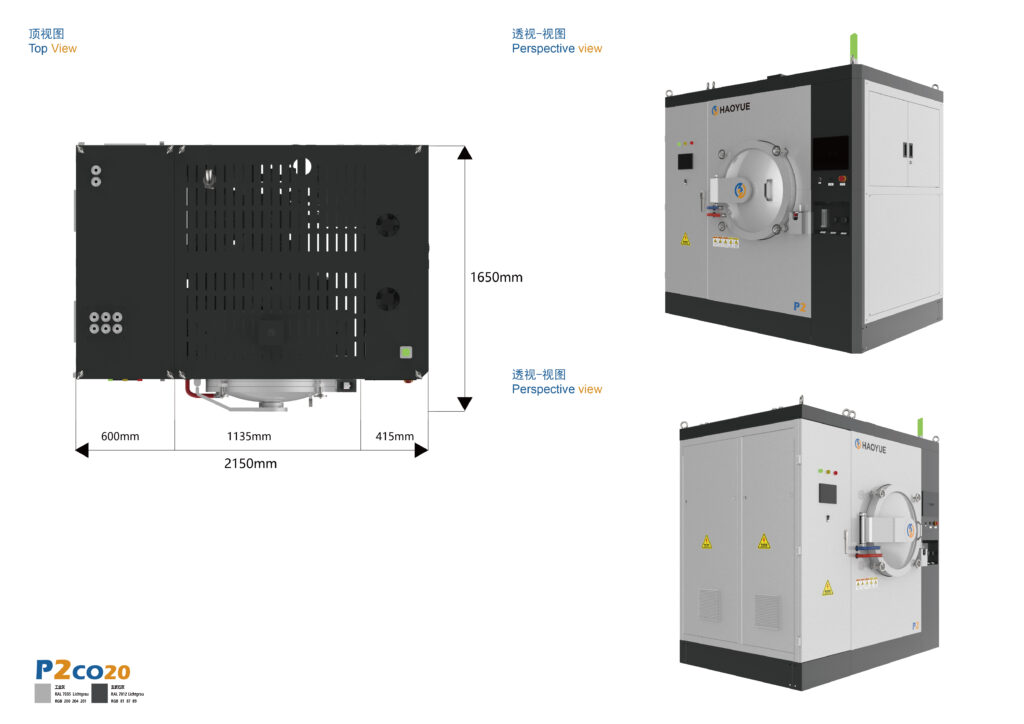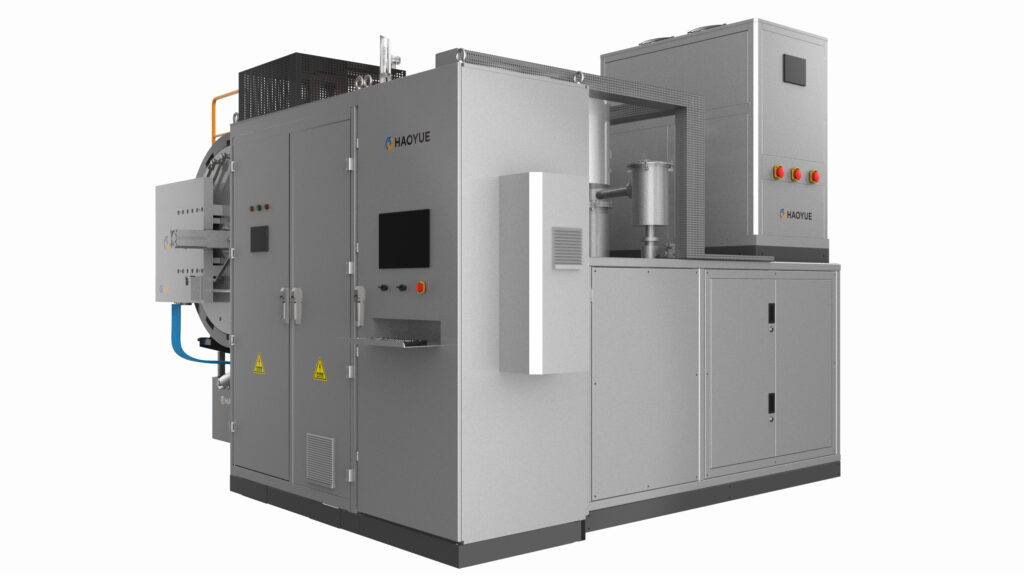






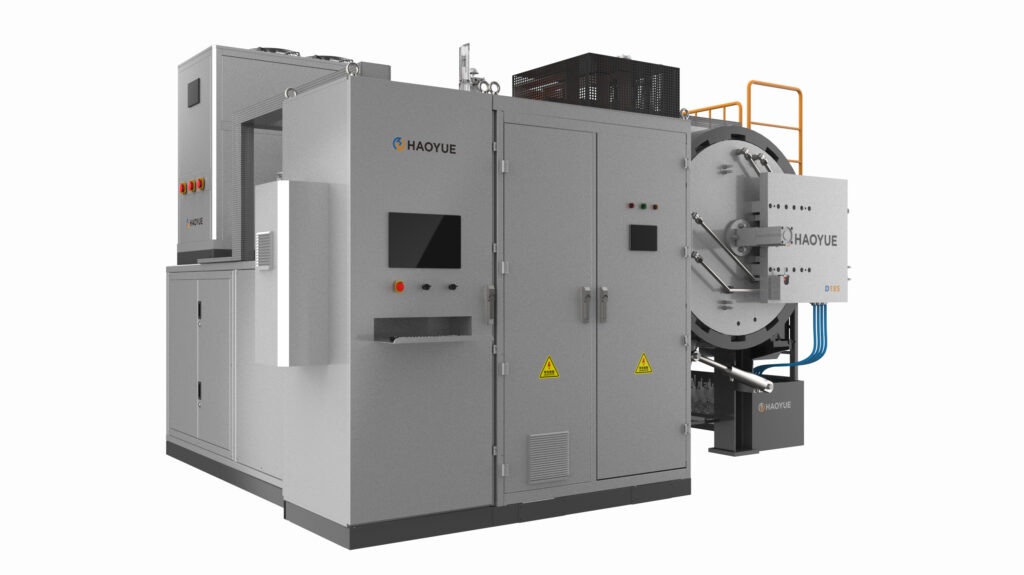
In the evolving landscape of industrial manufacturing, the demand for both higher efficiency and reduced environmental impact is paramount. Modern industries are increasingly turning to advanced thermal processing solutions, and the energy saving vacuum sintering furnace stands out as a critical technology. This article will explore how these sophisticated furnaces not only optimize material properties but also significantly cut operational costs and enhance sustainability through intelligent design and process control, preparing manufacturers for the economic and environmental challenges of 2026 and beyond.
Key Takeaways:
- Energy-saving furnaces drastically lower operational costs and carbon footprint.
- Advanced insulation, efficient vacuum systems, and smart controls are key to savings.
- Investing in these systems offers significant long-term ROI and competitive advantage.
Why is Energy Efficiency Crucial in Sintering Operations?
Rising global energy prices and stringent environmental regulations make energy consumption a primary concern for manufacturers. Sintering, a high-temperature process, is inherently energy-intensive. Optimizing energy use in this phase directly translates to reduced overheads and a smaller carbon footprint, improving a company’s financial health and environmental stewardship.
Furthermore, an efficient sintering process ensures consistent product quality, minimizing rework and material waste. This holistic approach to efficiency contributes to overall operational profitability and strengthens a company’s position in a competitive market, moving beyond mere compliance to strategic advantage.
How Do Modern Furnaces Achieve Significant Energy Savings?
Advanced Insulation and Heating Elements
Contemporary energy saving vacuum sintering furnaces incorporate multi-layered insulation packages, often utilizing high-performance graphite felt or ceramic fiber, to dramatically reduce heat loss. Paired with highly efficient heating elements, these designs ensure that energy input is primarily directed towards the sintering process itself, minimizing wasted heat radiating into the factory environment.
Optimized Vacuum and Cooling Systems
Efficient vacuum pump systems are crucial for maintaining the precise atmospheric conditions required for sintering while consuming less power. Additionally, integrated rapid cooling systems significantly shorten cycle times. This reduction in overall processing duration translates directly into lower energy consumption per batch, further enhancing the furnace’s economic benefits.
The implementation of such systems aligns with best practices for industrial energy management, as outlined by frameworks like the ISO 50001 standard for energy management systems. Adopting these standards helps organizations systematically improve their energy performance.
Intelligent Process Control
Precision control systems, leveraging advanced sensors and algorithms, enable exact temperature profiling and pressure regulation. This prevents over-sintering or unnecessary heating cycles, ensuring optimal material properties with minimal energy expenditure. Automated process optimization further reduces human error and enhances repeatability, contributing to consistent energy savings.
Selecting the Right Energy-Saving Vacuum Sintering Furnace
When considering an investment in an energy saving vacuum sintering furnace, manufacturers should evaluate not just the initial purchase price, but the total cost of ownership. Factors such as the furnace’s specific energy consumption per kilogram of processed material, maintenance requirements, and the expected lifespan are crucial for calculating long-term ROI.
Assess compatibility with your specific materials and production volume. A furnace tailored to your operational needs will deliver the greatest energy savings and process efficiency. Prioritizing robust design and proven energy-saving features will ensure a future-proof investment that pays dividends in both economic and environmental terms.
Embracing an energy-saving vacuum sintering furnace is a strategic move towards sustainable manufacturing and enhanced competitiveness. By carefully evaluating advanced features and long-term operational benefits, businesses can secure a future where high-quality production goes hand-in-hand with significant energy and cost reductions.
Related Products & Services
- Vacuum Sintering Furnace – Advanced sintering solutions from HaoYue Group.
- Vacuum Sintering Furnace
Looking for high-quality vacuum furnace solutions? Contact HaoYue Group today.
Related Products & Services
- Vacuum Sintering Furnace – Advanced sintering solutions from HaoYue Group.
Looking for high-quality vacuum furnace solutions? Contact HaoYue Group for more information.
Related Products & Services
- Vacuum Sintering Furnace – Advanced sintering solutions from HaoYue Group.
Looking for high-quality vacuum furnace solutions? Contact HaoYue Group for more information.
Frequently Asked Questions
What specific features make a vacuum sintering furnace energy-saving?
Energy-saving vacuum sintering furnaces feature multi-layered insulation, efficient vacuum systems, and smart controls. These components work together to minimize heat loss, reduce power consumption, and optimize the sintering process, ensuring that energy is primarily used for its intended purpose rather than being wasted.
How does an energy-saving vacuum sintering furnace contribute to environmental sustainability?
By drastically lowering energy consumption and reducing the carbon footprint, these furnaces contribute to environmental sustainability. Their efficient design minimizes waste and emissions, aligning with stricter environmental regulations and helping companies improve their ecological impact while maintaining operational efficiency.
What role does intelligent process control play in energy savings?
Intelligent process control systems use advanced sensors and algorithms to precisely regulate temperature and pressure during sintering. This prevents unnecessary energy use, such as over-sintering, and enhances efficiency by optimizing each cycle, reducing human error, and ensuring consistent product quality.
Why is it important to consider the total cost of ownership when selecting a furnace?
The total cost of ownership includes not just the initial purchase price, but also factors like energy consumption, maintenance needs, and lifespan. Assessing these aspects ensures that the investment delivers significant long-term ROI and aligns with your production needs, maximizing energy savings and process efficiency.
How do efficient vacuum and cooling systems enhance economic benefits?
Efficient vacuum and cooling systems maintain precise atmospheric conditions and shorten cycle times, which reduces energy consumption per batch. This efficiency lowers operational costs, contributing to the economic benefits of using an energy-saving vacuum sintering furnace.