





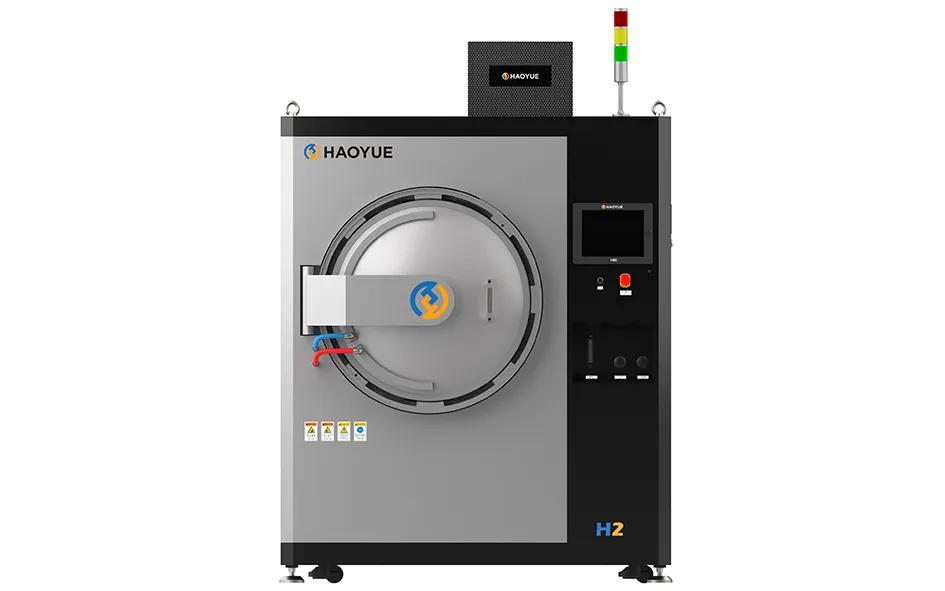
The quest for superior material performance in demanding industrial applications consistently drives innovation in manufacturing processes. At the forefront of this evolution stands the tungsten carbide vacuum sintering furnace, a critical piece of equipment engineered for the precise densification of advanced materials. These specialized furnaces provide an inert, high-temperature, and vacuum environment essential for consolidating powder metallurgy components, particularly those made from tungsten carbide. The controlled conditions within these units are paramount for achieving optimal material properties, including exceptional hardness, wear resistance, and strength, which are indispensable for high-performance tools, dies, and wear parts.
Unlike traditional atmospheric sintering, the vacuum environment in these furnaces prevents oxidation and contamination, ensuring high purity and a more uniform microstructure in the final product. This precision control over the sintering process, often involving high-temperature vacuum sintering, significantly reduces porosity and improves the overall integrity and longevity of the components. Modern tungsten carbide vacuum sintering furnaces are designed with advanced heating elements, sophisticated temperature control systems, and robust vacuum pumps, allowing for precise regulation of the entire thermal cycle. From batch processing units to larger, semi-continuous systems, these furnaces offer flexibility to meet diverse production demands, ensuring consistent quality and repeatability in critical manufacturing operations.
Parameter Comparison Table for Advanced Vacuum Sintering Furnaces
| Parameter | Standard Range | High-Performance Range | Advanced & Research Range |
|---|---|---|---|
| Max. Sintering Temperature | 1400°C – 1600°C | 1600°C – 2000°C | 2000°C – 2300°C+ |
| Ultimate Vacuum Degree | 1.0 x 10⁻² Pa | 1.0 x 10⁻³ Pa | 1.0 x 10⁻⁴ Pa (or better) |
| Chamber Volume | 50 – 200 Liters | 200 – 500 Liters | 500 – 1000 Liters+ |
| Heating Material | Graphite (felt, board) | Graphite (rigid, composite), Molybdenum | Tungsten, Tantalum, Graphite (advanced composites) |
| Typical Power Consumption | 50 kW – 150 kW | 150 kW – 300 kW | 300 kW – 600 kW+ |
Industry Application Scenarios
The versatility and precision offered by the tungsten carbide vacuum sintering furnace make it indispensable across a multitude of high-tech industries. Its ability to produce high-density, high-purity components with superior mechanical properties underpins critical manufacturing processes globally.
- Tooling and Die Manufacturing: The primary application lies in the production of cutting tools, wear parts, and dies made from tungsten carbide and other hard metals. These components demand extreme hardness, abrasion resistance, and toughness for use in machining, stamping, and forming operations.
- Aerospace Components: High-performance alloys and refractory metals used in aerospace require precise sintering to achieve the stringent material properties needed for turbine blades, engine components, and structural parts that operate under extreme temperatures and stresses.
- Medical Devices: Sintered components for medical implants, surgical instruments, and dental tools benefit from the high purity and biocompatibility achievable through vacuum sintering, ensuring long-term reliability and safety.
- Automotive Industry: From engine valve guides and fuel injection components to transmission parts and brake system elements, the automotive sector utilizes vacuum-sintered materials for enhanced durability and performance in critical applications.
- Electronics and Semiconductor Manufacturing: Heat sinks, electrical contacts, and specialized ceramic components for electronic devices are often produced using vacuum sintering to ensure excellent thermal and electrical conductivity, along with mechanical stability.
- Research and Development: Material science laboratories and R&D centers rely on these furnaces for developing new alloys, ceramics, and composites, exploring novel sintering techniques, and characterizing material behavior under various conditions.
These diverse applications underscore the vital role of robust industrial vacuum furnace solutions in advancing material science and engineering, enabling industries to push the boundaries of performance and efficiency.
Buyer FAQ: Optimized for Google FAQ Schema
What is the primary advantage of using a tungsten carbide vacuum sintering furnace?
The primary advantage is the ability to achieve high-density, high-purity components with superior mechanical properties. The vacuum environment prevents oxidation and contamination during the sintering process, leading to a finer, more uniform microstructure and significantly improved hardness, wear resistance, and strength compared to atmospheric sintering methods. This is crucial for materials like tungsten carbide.
What temperature ranges are typical for high-temperature vacuum sintering?
Typical temperature ranges for high-temperature vacuum sintering vary depending on the material and desired properties, but generally fall between 1400°C and 2300°C. For tungsten carbide, temperatures often range from 1400°C to 1600°C, while more advanced materials or specialized processes may require temperatures exceeding 2000°C, utilizing refractory metal heating elements.
How does vacuum sintering improve material properties?
Vacuum sintering improves material properties by removing residual gases and preventing the ingress of atmospheric oxygen, which can cause oxidation and impurity inclusions. This leads to a denser final product with reduced porosity, enhanced grain growth control, and improved metallurgical bonding, resulting in superior mechanical strength, ductility, corrosion resistance, and overall performance.
What are the key considerations when selecting industrial vacuum furnace solutions?
Key considerations include the maximum operating temperature and vacuum level required, chamber volume to match production capacity, type of heating elements (e.g., graphite, molybdenum, tungsten) compatible with the materials being processed, power consumption and utility requirements, temperature uniformity, control system sophistication, and specific safety features. Long-term reliability, maintenance, and technical support are also crucial factors.
Can these furnaces handle other materials besides tungsten carbide?
Yes, while highly optimized for tungsten carbide, many modern vacuum sintering furnaces are versatile and can process a wide range of advanced materials. These include other hard metals, ceramics, refractory metals (like molybdenum, tantalum, niobium), high-speed steels, tool steels, and various high-performance alloys. The specific capabilities depend on the furnace’s design, heating element material, and ultimate vacuum performance.
Related Products & Services
- Vacuum Sintering Furnace – Advanced sintering solutions from HaoYue Group.
- Vacuum Sintering Furnace for powder metallurgy
Looking for high-quality vacuum furnace solutions? Contact HaoYue Group for more information.
Related Products & Services
- Vacuum Sintering Furnace – Advanced sintering solutions from HaoYue Group.
- Vacuum Sintering Furnace for powder metallurgy
Looking for high-quality vacuum furnace solutions? Contact HaoYue Group for more information.
Frequently Asked Questions
Why is a vacuum environment crucial in tungsten carbide sintering?
The vacuum environment prevents oxidation and contamination during the sintering process, ensuring high purity and a uniform microstructure. This leads to enhanced material properties such as exceptional hardness and wear resistance, which are essential for high-performance industrial applications.
What are the advantages of using tungsten carbide vacuum sintering furnaces over traditional atmospheric sintering?
Vacuum sintering furnaces offer precision control over the sintering process, significantly reducing porosity and improving component integrity. The vacuum environment prevents oxidation, resulting in high-purity materials with superior mechanical properties, which are crucial for demanding applications.
How does the heating material influence the performance of a tungsten carbide vacuum sintering furnace?
The choice of heating material, such as graphite, molybdenum, tungsten, or tantalum, affects the furnace's efficiency and temperature capabilities. Advanced composites provide better thermal stability and efficiency, allowing for higher sintering temperatures and improved material densification.
In what way does the chamber volume of a vacuum sintering furnace impact production?
The chamber volume, ranging from 50 to over 1000 liters, determines the batch size and scalability of production. Larger volumes accommodate higher production demands, making it possible to process more components simultaneously, which is ideal for industrial-scale manufacturing.
What role do tungsten carbide vacuum sintering furnaces play in the aerospace industry?
They are critical for producing high-performance alloys and refractory metals required in aerospace components like turbine blades and engine parts. These components need precise sintering to meet stringent material properties necessary for operation under extreme conditions.
How does vacuum sintering benefit the production of medical devices?
Vacuum sintering achieves high purity and biocompatibility in components, essential for medical implants, surgical instruments, and dental tools. This ensures the reliability and safety of medical devices, meeting the rigorous standards required for healthcare applications.