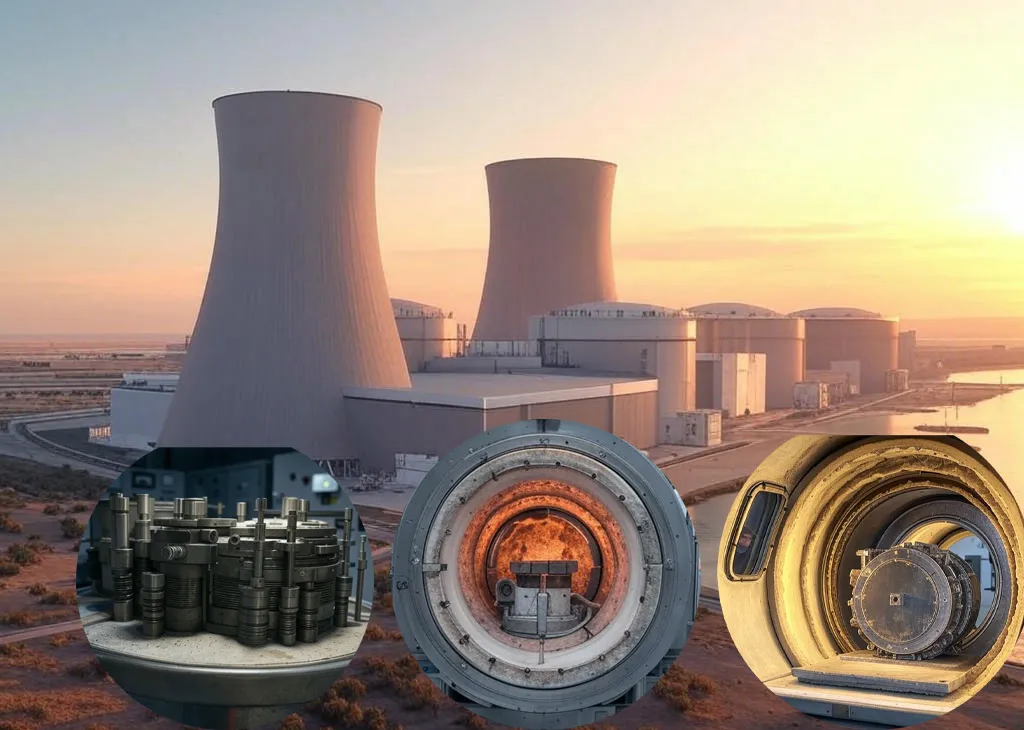






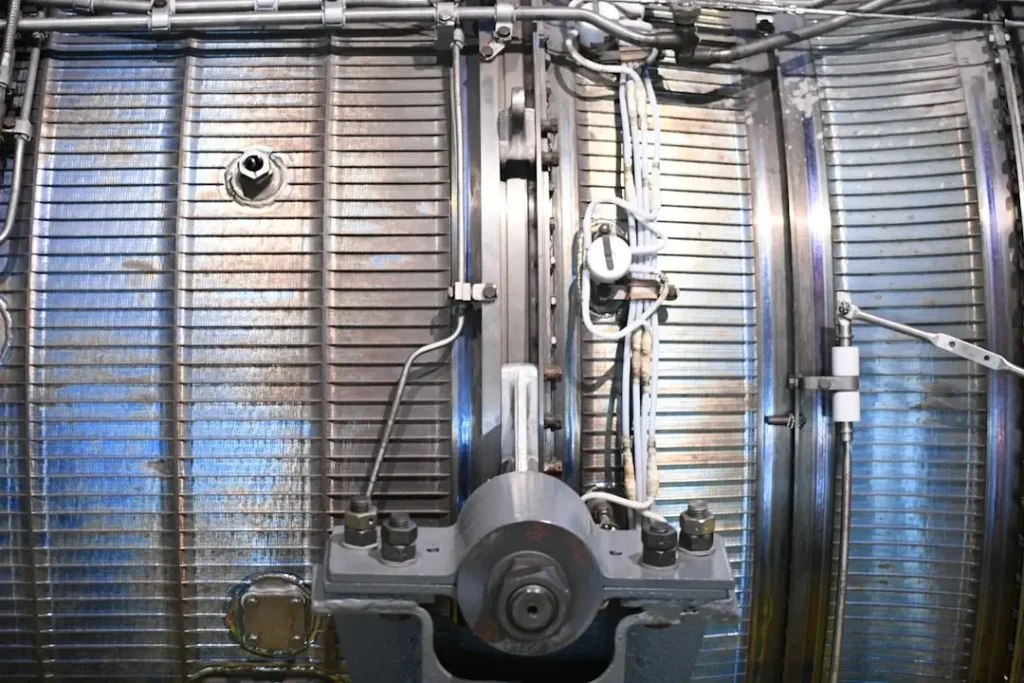
The evolution of material science and manufacturing processes has ushered in an era where precision, purity, and exceptional material properties are paramount. At the forefront of this advancement stands the vacuum sintering furnace, a critical piece of equipment designed to process materials under controlled atmospheric conditions, typically high vacuum, to achieve superior density, strength, and integrity. These specialized furnaces are indispensable for producing advanced ceramics, high-performance alloys, and composite materials that meet the stringent demands of modern industrial applications.
In industries requiring components with extreme hardness and wear resistance, such as the energy sector, the demand for robust and durable tools is ever-present. Specifically, the production of carbide components for oilfield drill bits relies heavily on sophisticated industrial vacuum sintering solutions. The sintering process in a vacuum environment prevents oxidation, removes impurities, and facilitates the creation of a dense, uniform microstructure essential for the longevity and efficiency of drill bits used in harsh downhole conditions. The market demand for these furnaces is driven by the continuous need for enhanced material performance, extended product lifespan, and optimized manufacturing costs across various high-tech sectors globally.
Vacuum Sintering Furnace Parameter Comparison
Selecting the appropriate vacuum sintering furnace requires careful consideration of several key parameters, each tailored to specific material processing requirements. The following table provides a comparison of typical specifications for different models, highlighting the versatility and technological capabilities available in modern high temperature vacuum furnace technology.
| Parameter | Compact Model | Standard Industrial Model | High-Performance Model |
|---|---|---|---|
| Working Temperature | Up to 1600°C | Up to 1800°C | Up to 2200°C |
| Vacuum Degree | 6.7×10⁻³ Pa | 1.0×10⁻⁴ Pa | 5.0×10⁻⁵ Pa |
| Chamber Volume | 0.05 m³ | 0.1 m³ | 0.2 m³ |
| Heating Material | Graphite | Molybdenum | Tungsten |
| Power Consumption | 50 kW | 80 kW | 120 kW |
Multi-Industry Application Scene Analysis
The versatility of the vacuum sintering furnace extends across a multitude of industries, each benefiting from its ability to produce high-quality, dense materials with precise properties:
- Oilfield & Mining: Crucial for sintering tungsten carbide inserts and polycrystalline diamond compact (PDC) cutters used in oilfield drill bits and mining tools. This application demands exceptional hardness, wear resistance, and thermal stability, all achieved through controlled vacuum sintering to enhance tool longevity and drilling efficiency.
- Aerospace: Used in the production of high-strength, lightweight superalloys, ceramic matrix composites (CMCs), and specialized components for turbine engines, structural parts, and thermal protection systems. The vacuum environment ensures material purity and superior mechanical properties critical for flight safety and performance.
- Medical Devices: Essential for manufacturing biocompatible implants (e.g., titanium, cobalt-chromium alloys), surgical instruments, and ceramic components. Sintering in a vacuum minimizes contamination and ensures the high density and surface finish required for medical-grade products.
- Automotive: Applied in the creation of advanced engine components, catalytic converters, sensors, and wear-resistant parts. The ability to produce complex geometries with enhanced durability contributes to improved fuel efficiency and extended vehicle lifespan.
- Tooling & Die Manufacturing: Vital for producing cutting tools, molds, and dies from high-speed steel, cemented carbides, and other tool steels. Vacuum sintering enhances the hardness, toughness, and wear resistance of these tools, leading to longer service life and higher productivity.
- Electronics & Semiconductors: Utilized for sintering advanced ceramic substrates, magnetic materials, and specialized components that require high purity and precise electrical properties. The controlled atmosphere prevents oxidation and ensures optimal performance in sensitive electronic devices.
Buyer FAQ
Here are five frequently asked questions by buyers considering a vacuum sintering furnace, optimized for Google FAQ Schema:
Q: What is the primary benefit of using a vacuum sintering furnace over atmospheric sintering?
A: The primary benefit of a vacuum sintering furnace is its ability to process materials in an oxygen-free environment, which prevents oxidation, removes volatile impurities, and allows for precise control over material density and microstructure. This results in components with superior mechanical properties, higher purity, and enhanced performance compared to atmospheric sintering methods.
Q: How do I choose the right vacuum sintering furnace for my specific application?
A: Choosing the right vacuum sintering furnace involves evaluating several factors: the maximum required working temperature, the desired vacuum degree, the chamber volume needed for your production scale, the type of heating material suitable for your processed materials (e.g., graphite, molybdenum, tungsten), and specific process gas requirements. Consulting with a furnace manufacturer or materials expert is recommended to tailor the solution to your exact needs.
Q: What types of materials can be processed in a vacuum sintering furnace?
A: A wide range of advanced materials can be processed, including cemented carbides (like those for oilfield drill bits), high-speed steels, superalloys, titanium and its alloys, ceramics (e.g., zirconia, alumina), magnetic materials, and various refractory metals. The choice of furnace type and heating elements depends on the specific material’s sintering temperature and atmospheric requirements.
Q: What maintenance is typically required for a vacuum sintering furnace?
A: Regular maintenance for a high temperature vacuum furnace technology system includes routine checks of the vacuum pump and sealing systems, inspection and cleaning of heating elements and insulation, calibration of temperature and pressure sensors, and replacement of worn components like gaskets or filters. Adhering to the manufacturer’s recommended maintenance schedule is crucial for optimal performance and longevity.
Q: What is the typical lifespan of heating elements in these furnaces?
A: The lifespan of heating elements in an industrial vacuum sintering solutions furnace varies significantly based on the material (e.g., graphite, molybdenum, tungsten), operating temperature, frequency of cycles, and type of process gases used. Graphite elements generally have a shorter lifespan than molybdenum or tungsten at very high temperatures and aggressive environments, but proper usage and maintenance can extend the life of all types.
Related Products & Services
- Vacuum Sintering Furnace – Advanced sintering solutions from HaoYue Group.
- Vacuum Sintering Furnace
Looking for high-quality vacuum furnace solutions? Contact HaoYue Group today.
Related Products & Services
- Vacuum Sintering Furnace – Advanced sintering solutions from HaoYue Group.
Looking for high-quality vacuum furnace solutions? Contact HaoYue Group for more information.
Related Products & Services
- Vacuum Sintering Furnace – Advanced sintering solutions from HaoYue Group.
Looking for high-quality vacuum furnace solutions? Contact HaoYue Group for more information.
Frequently Asked Questions
Why is a vacuum environment important for the sintering process in carbide components?
A vacuum environment prevents oxidation and removes impurities during the sintering process, which is crucial for achieving a dense and uniform microstructure. This enhances the longevity and efficiency of carbide components, such as drill bits, especially in harsh conditions like those found in oilfields.
How does the choice of heating material affect the performance of a vacuum sintering furnace?
The heating material, such as graphite, molybdenum, or tungsten, determines the maximum working temperature and efficiency of the furnace. Higher temperature capabilities, as seen with tungsten, can enhance the sintering of materials requiring greater thermal stability, ensuring better material properties.
What are the benefits of vacuum sintering furnaces in the aerospace industry?
In aerospace, vacuum sintering furnaces produce high-strength, lightweight superalloys and ceramic matrix composites. The vacuum environment ensures material purity, which is essential for the superior mechanical properties needed in turbine engines, structural parts, and thermal protection systems, contributing to flight safety and performance.
Can vacuum sintering furnaces be used in the medical device industry, and if so, how?
Yes, vacuum sintering furnaces are crucial in the medical device industry for manufacturing biocompatible implants and surgical instruments. The vacuum process minimizes contamination and ensures high density and surface finish, meeting the stringent requirements for medical-grade products.
What role do vacuum sintering furnaces play in the automotive industry?
In the automotive industry, vacuum sintering furnaces are used to create advanced engine components and wear-resistant parts. The process allows for the production of complex geometries with enhanced durability, contributing to improved fuel efficiency and extended vehicle lifespan.
How does the power consumption vary among different vacuum sintering furnace models?
Power consumption varies based on the model's capabilities, with compact models consuming around 50 kW, standard industrial models 80 kW, and high-performance models 120 kW. This difference is due to the varying working temperatures and vacuum degrees each model can achieve, impacting their overall efficiency and application suitability.