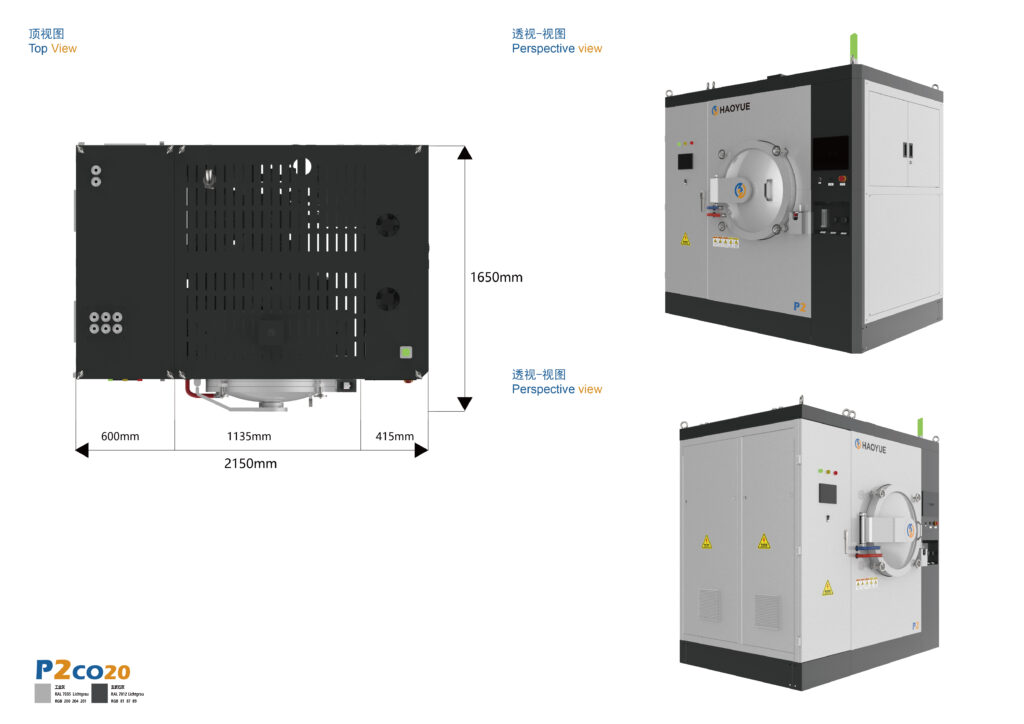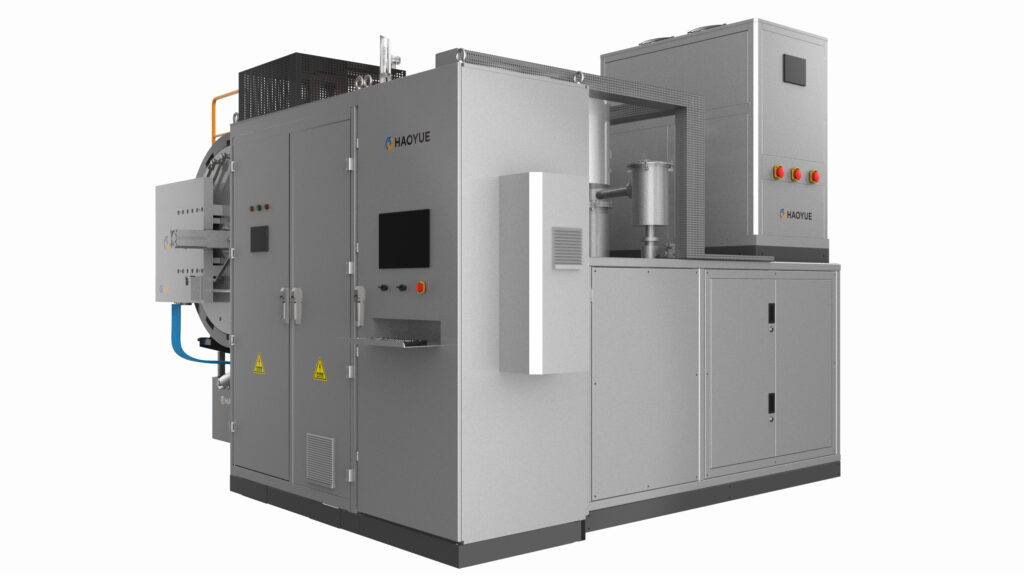






In the rapidly evolving world of advanced materials, the precision and control offered by vacuum furnace technologies are indispensable. From enhancing the properties of critical components to enabling the creation of novel materials, a reliable vacuum furnace manufacturer plays a pivotal role. This article delves into the cutting-edge advancements in vacuum sintering and heat treatment, highlighting how specialized furnaces are meeting the rigorous demands of various industries, including aerospace, medical, and semiconductor sectors.
The vacuum sintering process is fundamental for producing high-density, high-purity components free from atmospheric contamination. A dedicated vacuum sintering furnace manufacturer provides solutions for diverse applications, including the demanding silicon carbide sintering and zirconia sintering process, crucial for ceramics and advanced composites. Similarly, the alumina sintering process and the sintering of refractory metals like tungsten carbide sintering and molybdenum sintering benefit immensely from controlled vacuum environments. For specialized applications like battery material sintering furnace requirements, the ability to control oxygen levels is paramount. When considering the optimal approach, understanding the nuances of HIP vs vacuum sintering or vacuum sintering vs pressure sintering is critical for achieving desired material properties and cost-effectiveness.
Beyond sintering, precise thermal processing is achieved through advanced heat treatment. A reputable vacuum heat treatment furnace manufacturer offers systems capable of executing processes such as vacuum annealing process and vacuum hardening process with exceptional uniformity. These processes are vital for improving the mechanical properties and durability of metals, particularly for complex alloys like those used in titanium alloy heat treatment. The aerospace industry, for instance, heavily relies on the capabilities of an aerospace heat treatment furnace to ensure component integrity. Similarly, for joining critical components, the vacuum brazing process provides superior joint strength and cleanliness compared to vacuum brazing vs conventional brazing methods, making a specialized vacuum brazing furnace manufacturer a key partner for high-integrity assemblies.
The landscape of vacuum technology extends to highly specialized equipment. An SPS furnace manufacturer, for instance, provides Spark Plasma Sintering systems, known for rapid densification at lower temperatures, offering a distinct advantage in specific material processing. In parallel, a hot pressing furnace manufacturer delivers solutions for forming dense parts under simultaneous heat and pressure, often necessitating careful consideration of SPS vs hot pressing for optimal results. For ultimate material consolidation, a skilled HIP manufacturer (Hot Isostatic Pressing) offers equipment that virtually eliminates internal porosity. Other specialized furnaces include the semiconductor vacuum furnace, essential for chip manufacturing, and the vacuum hydrogen furnace, used for precise reduction processes. The gas pressure sintering furnace represents another advanced option, combining vacuum with controlled gas pressures for specific material densification challenges.
Selecting the right equipment and partner is paramount. Whether you require a medical implant sintering furnace for biocompatible materials or a dental implant vacuum furnace for precision prosthetics, the choice of a vacuum furnace manufacturer dictates the success of your operations. For tool manufacturing, a robust carbide tool sintering furnace is indispensable. Engineers and buyers must also evaluate furnace construction, such as whether a graphite furnace vs molybdenum furnace is more suitable for their specific temperature ranges and process environments. Furthermore, understanding the fundamental differences between a vacuum furnace vs atmosphere furnace is crucial for achieving superior material properties and process control, especially in contaminant-sensitive applications. Investing in the right technology ensures consistent quality and operational efficiency.
In conclusion, the continuous innovation by leading vacuum furnace manufacturers and vacuum sintering furnace manufacturers is driving progress across diverse industrial sectors. From the intricate demands of aerospace vacuum furnace applications to the stringent requirements of medical device manufacturing, advanced vacuum technologies are enabling breakthroughs. As industries push the boundaries of material science, the role of sophisticated vacuum heat treatment and sintering solutions will only grow, making strategic partnerships with expert manufacturers more critical than ever.
Frequently Asked Questions
What are the key benefits of using vacuum sintering for advanced materials?
Vacuum sintering offers the advantage of producing high-density, high-purity components with minimal atmospheric contamination. This is crucial for applications requiring stringent material properties, such as ceramics and advanced composites. It ensures superior mechanical properties and cleanliness, essential for industries like aerospace and semiconductors.
How does vacuum heat treatment enhance the properties of complex alloys?
Vacuum heat treatment processes like vacuum annealing and vacuum hardening improve mechanical properties and durability by providing uniform thermal processing. This is particularly important for complex alloys, such as titanium alloys, ensuring component integrity and reliability, especially in critical sectors like aerospace.
Why is controlling oxygen levels important in battery material sintering?
Controlling oxygen levels in battery material sintering is crucial to prevent oxidation, which can compromise the performance and longevity of battery components. A vacuum environment allows precise control over oxygen exposure, ensuring high purity and optimal functionality of the sintered materials.
What factors should be considered when choosing between HIP and vacuum sintering?
When selecting between HIP (Hot Isostatic Pressing) and vacuum sintering, consider the material properties desired, cost-effectiveness, and application needs. HIP eliminates internal porosity, offering superior consolidation, while vacuum sintering is ideal for high-density, contamination-free components. Assessing these factors ensures optimal results for specific applications.
How do SPS and hot pressing differ in material processing?
SPS (Spark Plasma Sintering) and hot pressing differ mainly in their approach to densification. SPS achieves rapid densification at lower temperatures using electrical discharges, while hot pressing combines heat and pressure. Choosing between them depends on the material requirements and processing efficiency needed for the application.
What distinguishes a vacuum furnace from an atmosphere furnace?
A vacuum furnace operates in a controlled vacuum environment, minimizing contamination and enabling precise control over thermal processes. In contrast, an atmosphere furnace uses a specific gas environment, which can introduce impurities. The choice depends on the required purity levels and material properties for the application.