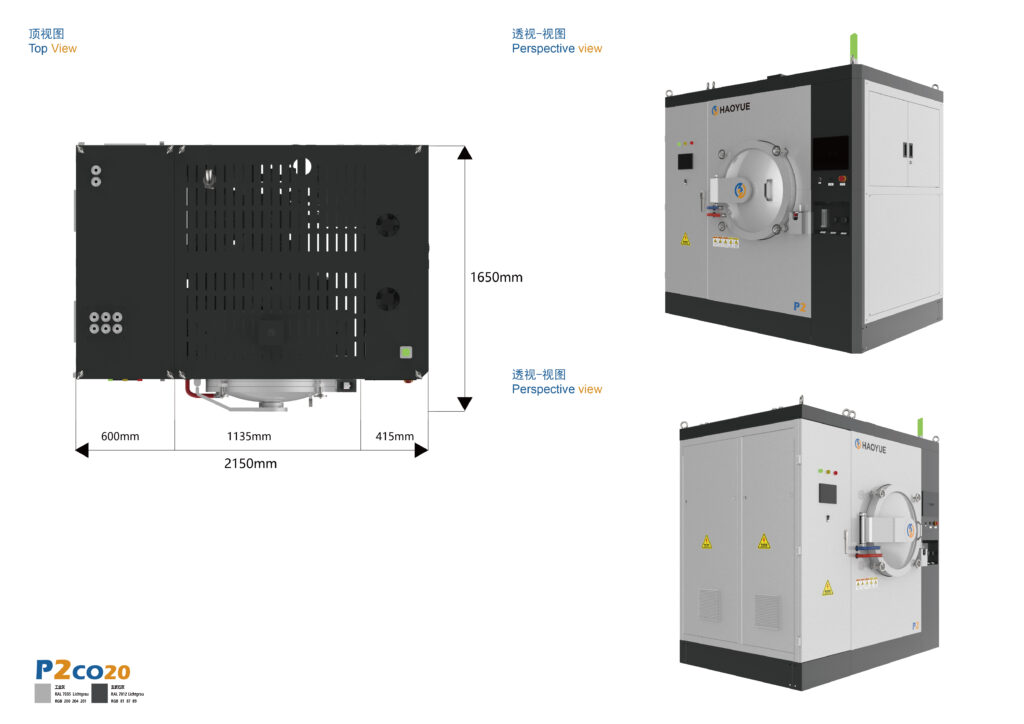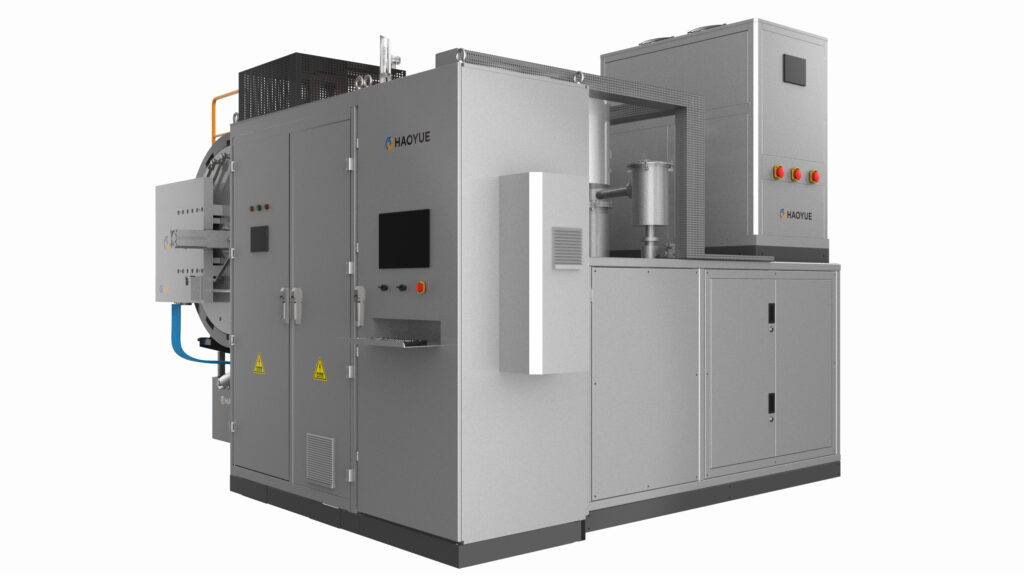






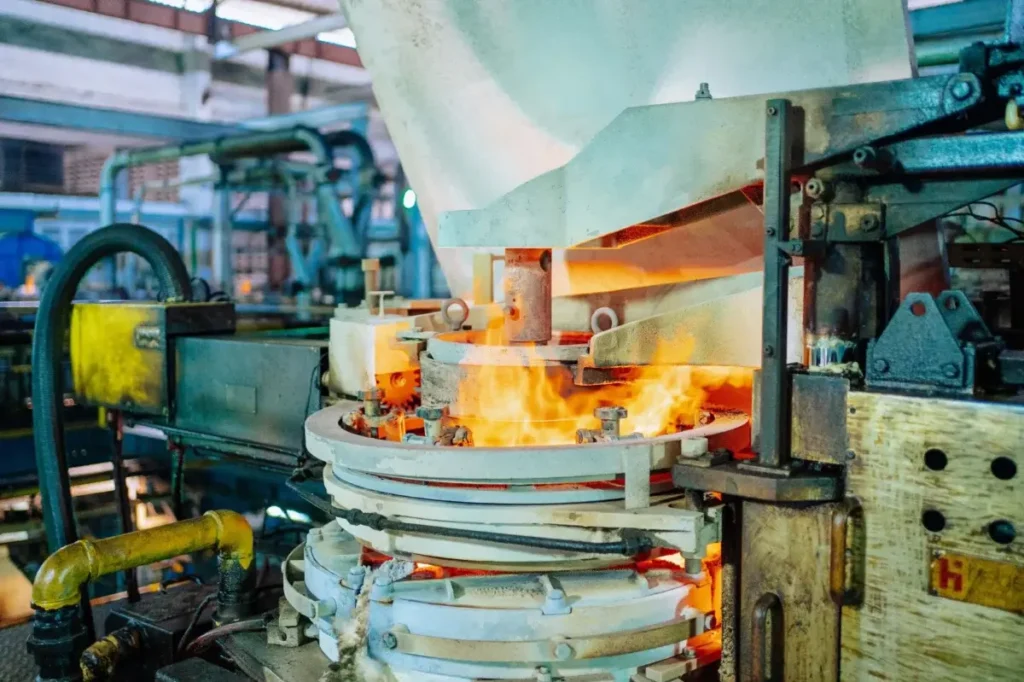
In the rapidly evolving landscape of advanced materials and precision engineering, the demand for sophisticated thermal processing solutions is paramount. Modern industries rely heavily on specialized equipment that can achieve superior material properties, and at the heart of this innovation lies the advanced vacuum furnace. As a leading vacuum furnace manufacturer, we understand the critical role these systems play across diverse applications, from aerospace to medical implants.
One of the cornerstone applications is the vacuum sintering process, a method vital for consolidating powdered materials into solid, high-density components. Manufacturers requiring exceptional material integrity often seek a dedicated vacuum sintering furnace manufacturer. This process is indispensable for advanced ceramics like silicon carbide sintering, where high temperatures and vacuum conditions prevent oxidation and ensure precise microstructure. Similarly, the zirconia sintering process and alumina sintering process benefit immensely from the controlled environment of a vacuum furnace, yielding components with superior strength and purity. For metallic powders, the tungsten carbide sintering and molybdenum sintering processes achieve optimal density and hardness under vacuum, which is crucial for cutting tools and high-temperature applications.
Beyond conventional sintering, specialized furnaces address unique material challenges. The SPS furnace manufacturer provides Spark Plasma Sintering systems, known for rapid densification and fine grain structures. Comparing SPS vs hot pressing, SPS often offers faster processing times and lower sintering temperatures. For ultimate material integrity, a HIP manufacturer offers Hot Isostatic Pressing (HIP) technology, which applies both high temperature and gas pressure to eliminate internal porosity. The distinction between HIP vs vacuum sintering lies in the application of external pressure during HIP, leading to near-net-shape components with superior mechanical properties. For certain applications, the choice between vacuum sintering vs pressure sintering depends on the desired density, grain size, and cost considerations, with gas pressure sintering furnaces offering a balance of density and throughput.
Heat treatment is another critical area where vacuum technology excels. As a reputable vacuum heat treatment furnace manufacturer, we provide systems capable of precise thermal cycles. Processes like vacuum annealing process enhance ductility and relieve internal stresses, while the vacuum hardening process achieves superior hardness and wear resistance without surface contamination. The titanium alloy heat treatment, for instance, demands a vacuum environment to prevent oxygen uptake, which can embrittle the material, making it ideal for aerospace and medical applications.
Vacuum brazing process offers a clean and strong joining solution for complex assemblies. A dedicated vacuum brazing furnace manufacturer ensures components are joined without fluxes, resulting in high-integrity bonds and clean surfaces. Comparing vacuum brazing vs conventional brazing, vacuum methods eliminate oxidation and allow for precise temperature control, making them superior for critical components. For specific reduction environments, a vacuum hydrogen furnace can be employed, offering unique capabilities for certain materials.
The applications for these advanced furnaces span across numerous high-tech industries. The aerospace vacuum furnace and aerospace heat treatment furnace are essential for manufacturing lightweight, high-strength components for aircraft and spacecraft. In the medical field, a medical implant sintering furnace and dental implant vacuum furnace are crucial for producing biocompatible components with precise microstructures. The burgeoning semiconductor industry relies on a specialized semiconductor vacuum furnace for critical processing steps, ensuring material purity and device performance. Furthermore, the battery material sintering furnace is vital for developing next-generation energy storage solutions, while the carbide tool sintering furnace produces durable cutting tools with extended lifespans.
When considering furnace types, the comparison of a vacuum furnace vs atmosphere furnace highlights the superior purity and control offered by vacuum systems, especially for reactive materials. Internally, the choice between a graphite furnace vs molybdenum furnace depends on the maximum operating temperature, process atmosphere, and specific material interactions. Graphite furnaces typically offer higher temperatures and faster heating rates, while molybdenum furnaces are preferred for specific clean processes and certain material compatibility requirements.
In conclusion, the advancements in vacuum furnace technology are pivotal for modern manufacturing. From intricate vacuum sintering process for advanced ceramics and metals to precise heat treatment and robust vacuum brazing, these systems are indispensable. Choosing a reliable vacuum sintering furnace manufacturer or a comprehensive vacuum furnace manufacturer is crucial for industries aiming for unparalleled material quality and performance. The continuous innovation in these technologies promises to push the boundaries of materials science even further.
Frequently Asked Questions
What is the primary advantage of using vacuum furnaces for sintering processes?
The primary advantage of using vacuum furnaces for sintering is their ability to prevent oxidation and ensure precise control over the microstructure. This results in high-density components with superior strength and purity, which is crucial for materials like advanced ceramics and metallic powders.
How does Spark Plasma Sintering (SPS) differ from traditional hot pressing techniques?
Spark Plasma Sintering (SPS) differs from hot pressing by offering faster processing times and lower sintering temperatures. This leads to rapid densification and fine grain structures, making SPS a preferred choice for certain applications where speed and energy efficiency are critical.
Why is vacuum technology essential in the heat treatment of titanium alloys?
Vacuum technology is essential in the heat treatment of titanium alloys to prevent oxygen uptake, which can embrittle the material. This is particularly important for aerospace and medical applications where maintaining the material's ductility and integrity is crucial.
What are the benefits of vacuum brazing compared to conventional brazing methods?
Vacuum brazing offers benefits such as eliminating oxidation and allowing precise temperature control, resulting in high-integrity bonds and clean surfaces. Unlike conventional brazing, it does not require fluxes, making it superior for joining critical components.
How does Hot Isostatic Pressing (HIP) improve material properties compared to vacuum sintering?
Hot Isostatic Pressing (HIP) improves material properties by applying both high temperature and gas pressure, which eliminates internal porosity. This process leads to near-net-shape components with superior mechanical properties, unlike vacuum sintering, which does not apply external pressure.
What role do vacuum furnaces play in the semiconductor industry?
In the semiconductor industry, vacuum furnaces are crucial for ensuring material purity and device performance during critical processing steps. They provide a controlled environment that prevents contamination, which is essential for achieving the high precision and reliability required in semiconductor manufacturing.