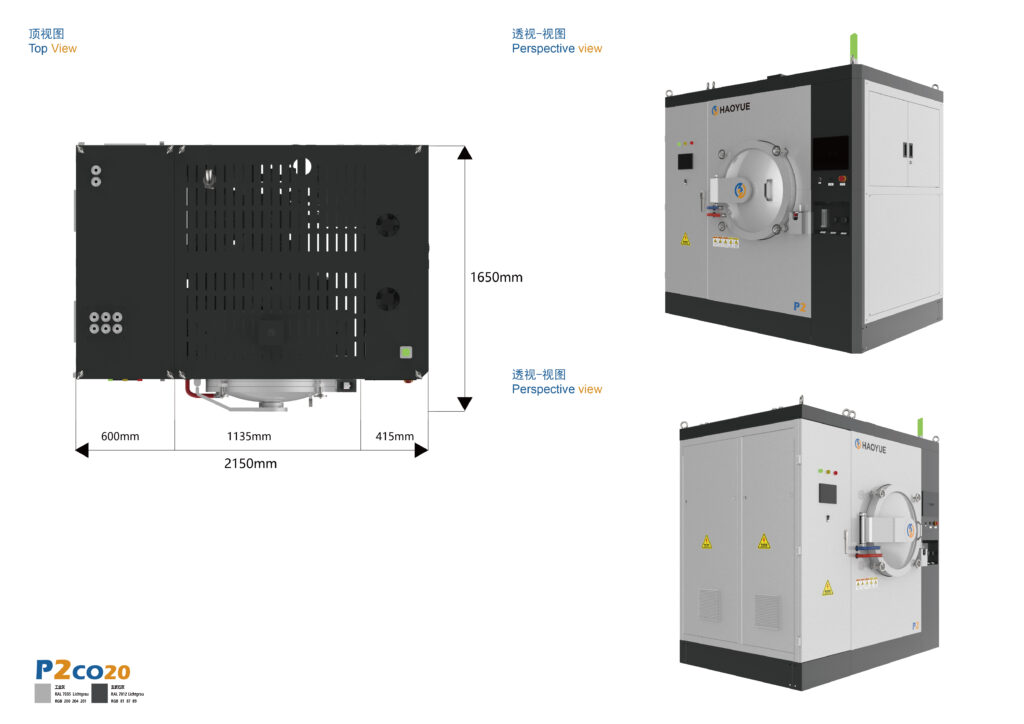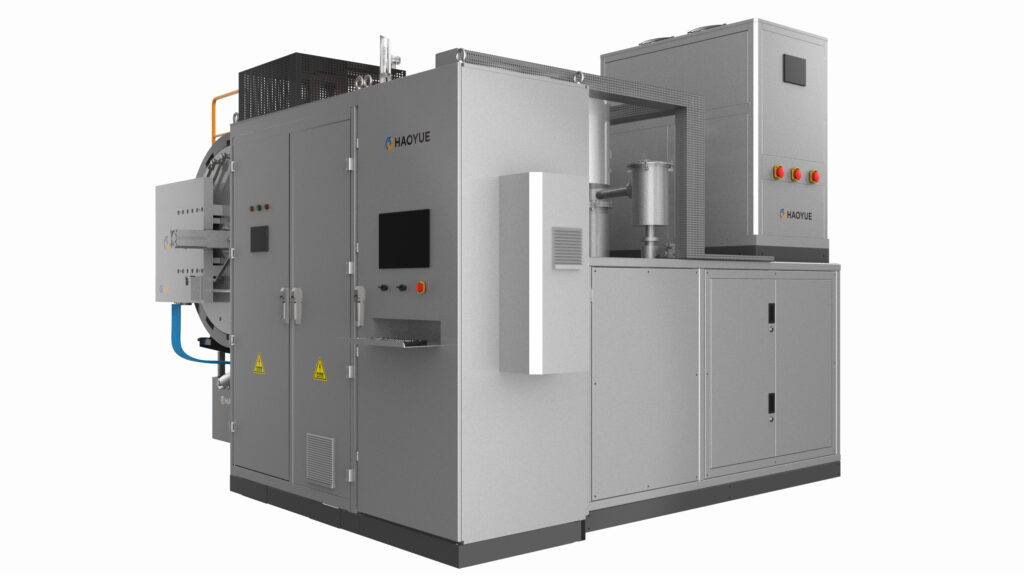






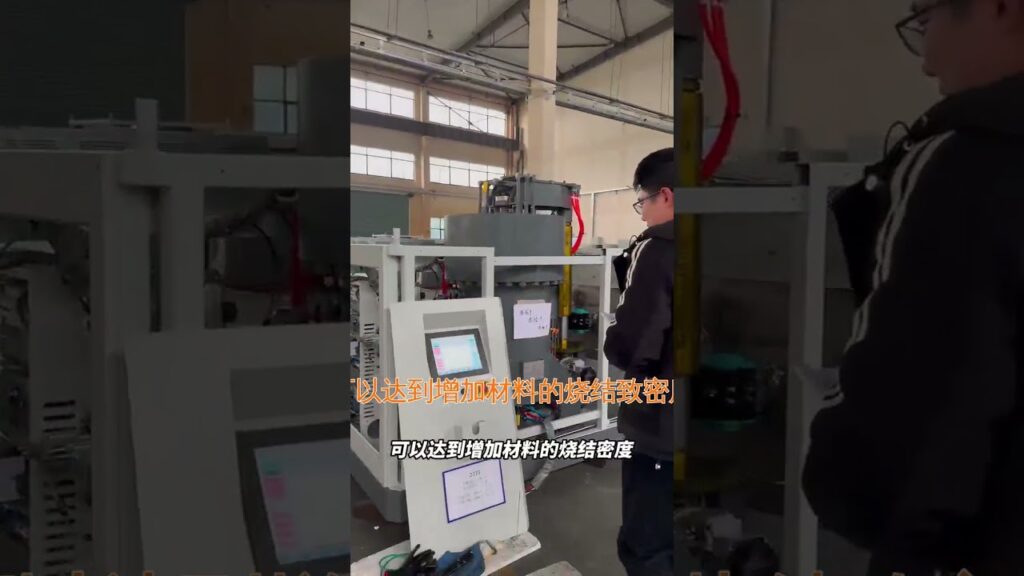
In the rapidly evolving landscape of advanced materials, the precision and control offered by vacuum furnaces are indispensable. As a leading vacuum furnace manufacturer, we understand the increasing demands for high-performance components across various industries. Achieving superior material properties often hinges on sophisticated thermal processing techniques, with the vacuum sintering process and advanced heat treatments at the forefront. For engineers and equipment buyers, understanding the capabilities of a reliable vacuum heat treatment furnace manufacturer is crucial for unlocking innovation and ensuring product integrity.
The foundation of many high-strength, high-temperature, and wear-resistant materials lies in the vacuum sintering process. This technique is vital for consolidating powders into dense, robust components, minimizing impurities and controlling grain growth. Applications range from critical aerospace components to advanced tooling. For instance, achieving optimal properties in silicon carbide sintering, zirconia sintering process, and alumina sintering process requires the precise temperature uniformity and vacuum integrity that only a dedicated vacuum sintering furnace manufacturer can provide. Similarly, the successful consolidation of refractory metals through tungsten carbide sintering and molybdenum sintering relies heavily on these controlled environments.
Beyond conventional sintering, specialized techniques offer unique advantages. For components requiring rapid densification or specific microstructures, an SPS furnace manufacturer provides systems for Spark Plasma Sintering, while a hot pressing furnace manufacturer offers solutions for pressure-assisted sintering. For ultimate density and defect removal, a reputable HIP manufacturer delivers Hot Isostatic Pressing capabilities. When considering these options, understanding the distinctions between SPS vs hot pressing and HIP vs vacuum sintering is key. Furthermore, the selection between a gas pressure sintering furnace and a standard vacuum system often involves a careful analysis of material properties and desired outcomes, highlighting the comparison of vacuum sintering vs pressure sintering.
Precision thermal processing extends to heat treatment and joining. A skilled vacuum heat treatment furnace manufacturer provides equipment essential for processes like vacuum annealing process to relieve stresses and enhance ductility, or the vacuum hardening process for achieving superior hardness and wear resistance in metals. For joining dissimilar materials or complex assemblies, a vacuum brazing furnace manufacturer offers advanced solutions. The controlled atmosphere of a vacuum system ensures clean, strong joints, offering significant advantages when comparing vacuum brazing vs conventional brazing, which often contend with oxidation and flux residue.
The applications for these advanced furnaces span critical sectors. An aerospace vacuum furnace and aerospace heat treatment furnace are fundamental for producing lightweight, high-strength parts for aircraft and spacecraft. The medical field relies on a medical implant sintering furnace and dental implant vacuum furnace for biocompatible prosthetics. The burgeoning electronics industry benefits from a specialized semiconductor vacuum furnace for sensitive component processing, and a vacuum hydrogen furnace for specific reduction and annealing steps. Furthermore, the demand for sophisticated energy storage solutions drives the use of a battery material sintering furnace, while the manufacturing of durable cutting tools benefits from a carbide tool sintering furnace. In many of these scenarios, the inherent cleanliness and control of a vacuum furnace vs atmosphere furnace prove decisive.
Choosing the right furnace also involves considering internal components and their suitability for specific processes. The debate of a graphite furnace vs molybdenum furnace often comes down to maximum operating temperature, vacuum level, and material compatibility. For example, specific applications like titanium alloy heat treatment might favor one over the other due to reactivity or processing temperature. Ultimately, partnering with a knowledgeable vacuum furnace manufacturer ensures that engineers and industrial buyers can select the optimal equipment tailored to their precise material and process requirements.
In conclusion, the advancements in materials science are intrinsically linked to the capabilities of modern vacuum thermal processing equipment. From the foundational vacuum sintering process to highly specialized heat treatments and brazing, these technologies enable the creation of high-performance components critical to aerospace, medical, semiconductor, and many other industries. For any organization seeking to push the boundaries of material performance, collaborating with a reputable vacuum furnace manufacturer is not just an investment in equipment, but an investment in future innovation and manufacturing excellence.
Related Products & Services
- Vacuum Sintering Furnace – Advanced sintering solutions from HaoYue Group.
- SPS Spark Plasma Sintering System – High-performance SPS solutions from HaoYue Group.
- SPS Spark Plasma Sintering System
Looking for high-quality vacuum furnace solutions? Contact HaoYue Group today.
Related Products & Services
- Vacuum Sintering Furnace – Advanced sintering solutions from HaoYue Group.
- SPS Spark Plasma Sintering System – High-performance SPS solutions from HaoYue Group.
- SPS Spark Plasma Sintering System
Looking for high-quality vacuum furnace solutions? Contact HaoYue Group for more information.
Related Products & Services
- Vacuum Sintering Furnace – Advanced sintering solutions from HaoYue Group.
- SPS Spark Plasma Sintering System
- SPS Spark Plasma Sintering System
Looking for high-quality vacuum furnace solutions? Contact HaoYue Group for more information.
Frequently Asked Questions
What are the advantages of using vacuum sintering over conventional sintering methods?
Vacuum sintering offers superior control over impurities and grain growth, crucial for achieving high-strength, high-temperature, and wear-resistant materials. It provides a controlled environment that minimizes contamination, essential for critical components in industries like aerospace and advanced tooling.
How does the choice between SPS and hot pressing affect the properties of sintered materials?
Spark Plasma Sintering (SPS) enables rapid densification and the formation of specific microstructures, while hot pressing focuses on pressure-assisted sintering for enhanced density. The choice depends on desired material properties, such as microstructural features and density requirements.
Why is vacuum brazing preferred over conventional brazing for joining materials?
Vacuum brazing is favored for its ability to create clean, strong joints without oxidation or flux residue, which are common issues in conventional brazing. This controlled process is especially advantageous for joining dissimilar materials or complex assemblies requiring high joint integrity.
In what scenarios would a gas pressure sintering furnace be more beneficial than a standard vacuum system?
A gas pressure sintering furnace is ideal when specific material properties, like enhanced density or reduced porosity, are desired. It provides additional pressure during the sintering process, which can be beneficial for certain materials where vacuum alone may not achieve the required outcomes.
What factors should be considered when choosing between a graphite and molybdenum furnace?
The decision between a graphite furnace and a molybdenum furnace often hinges on maximum operating temperature and material compatibility. Graphite furnaces typically handle higher temperatures, while molybdenum furnaces offer better performance in environments where contamination from carbon must be minimized.
How does vacuum heat treatment enhance the properties of metals compared to traditional methods?
Vacuum heat treatment processes, such as vacuum annealing and hardening, offer precise control over temperature and atmosphere, leading to stress relief, enhanced ductility, and superior hardness. This method prevents oxidation and maintains the metal's purity, resulting in improved mechanical properties.