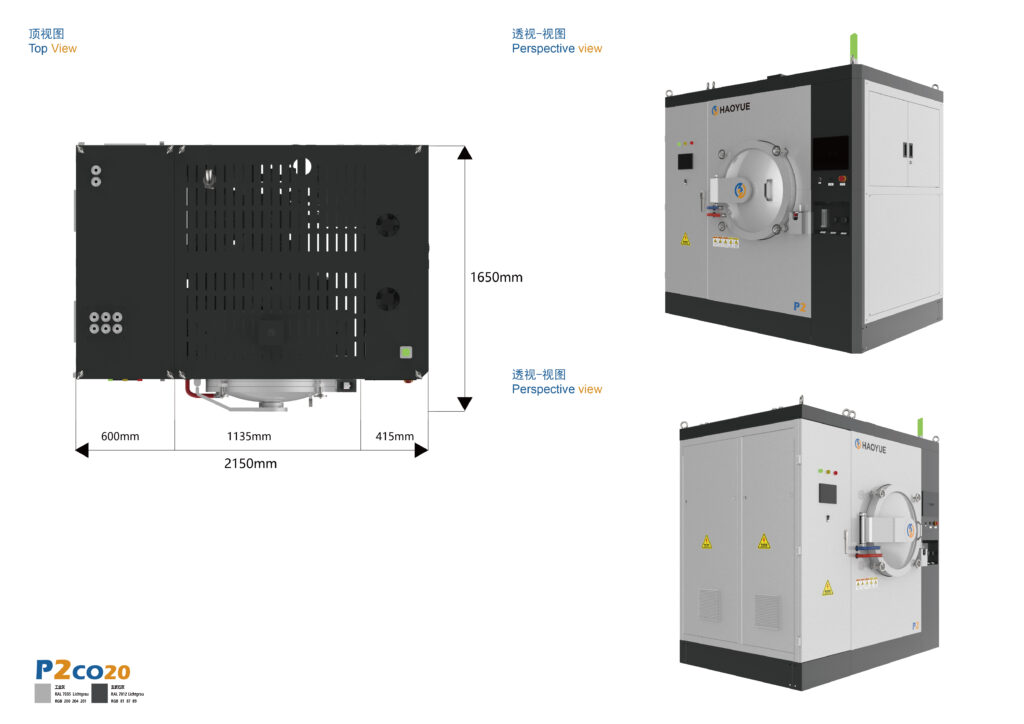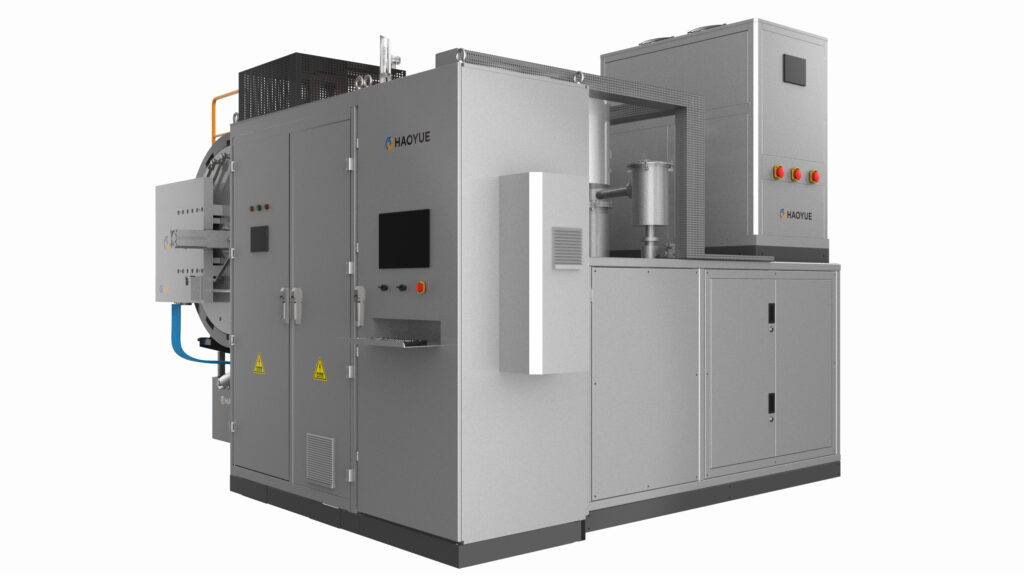






In today’s demanding industrial landscape, the quest for superior material properties and manufacturing precision is paramount. From aerospace to medical implants, the performance of critical components hinges on advanced processing techniques. This is where the expertise of a leading vacuum furnace manufacturer becomes indispensable, providing the foundational technology for critical operations like vacuum sintering process, vacuum brazing process, vacuum annealing process, and vacuum hardening process. These specialized furnaces are not merely equipment; they are the heart of innovation for industries requiring unparalleled material integrity and performance.
The spectrum of advanced material processing demands a diverse range of specialized equipment. A reputable vacuum sintering furnace manufacturer offers solutions tailored for various applications, including high-performance ceramics and metals. For rapid densification, an SPS furnace manufacturer provides Spark Plasma Sintering systems, which stand out for their ability to achieve full density at lower temperatures and shorter times. Similarly, a hot pressing furnace manufacturer delivers robust systems for forming complex shapes and achieving high material densities. For challenging applications requiring extreme densification and removal of internal porosity, a dedicated HIP manufacturer (Hot Isostatic Pressing) is crucial, offering furnaces that combine high temperature and pressure. Beyond material formation, a specialized vacuum heat treatment furnace manufacturer ensures components achieve optimal mechanical properties. Precision joining is handled by a vacuum brazing furnace manufacturer, while the electronics sector relies heavily on a semiconductor vacuum furnace for critical processing steps. For specific chemical processes, a vacuum hydrogen furnace provides controlled reducing atmospheres, and a gas pressure sintering furnace offers an alternative for fine-grained materials.
Mastering the transformation of materials requires a deep understanding of various vacuum processes. The vacuum sintering process is fundamental for consolidating powdered materials into solid, dense objects, crucial for ceramics like silicon carbide sintering, zirconia sintering process, and alumina sintering process. For hard metals, tungsten carbide sintering and molybdenum sintering are vital for producing durable tools and components. Beyond sintering, the vacuum brazing process provides clean, strong, and leak-tight joints for complex assemblies, often superior to conventional methods. Heat treatment processes such as vacuum annealing process and vacuum hardening process are essential for refining material microstructure, enhancing strength, ductility, or hardness. For high-performance alloys, the precision of titanium alloy heat treatment in a vacuum environment is critical to prevent contamination and achieve desired metallurgical properties.
The applications for these advanced vacuum technologies span across numerous high-tech industries. The aerospace sector heavily relies on an aerospace vacuum furnace and an aerospace heat treatment furnace for manufacturing turbine blades, structural components, and engine parts that withstand extreme conditions. In the medical field, a medical implant sintering furnace and a dental implant vacuum furnace are indispensable for producing biocompatible components with precise porosity and surface finishes. The burgeoning semiconductor industry utilizes a specialized semiconductor vacuum furnace for processes like deposition and annealing, critical for microchip fabrication. Furthermore, the rapid growth of electric vehicles and renewable energy storage drives demand for a battery material sintering furnace to optimize electrode materials. Even in traditional manufacturing, a carbide tool sintering furnace ensures the production of highly durable cutting tools and wear parts.
Selecting the optimal vacuum technology often involves a careful comparative analysis of different methods and furnace types. Understanding the nuances between SPS vs hot pressing is crucial for specific material densification challenges, with SPS offering faster processing and hot pressing providing greater flexibility for complex shapes. The choice between HIP vs vacuum sintering depends on the required density and porosity levels, with HIP delivering superior densification for critical components. Similarly, evaluating vacuum sintering vs pressure sintering involves considering the desired microstructure, grain size, and cost efficiency. The fundamental distinction between a vacuum furnace vs atmosphere furnace lies in purity and process control, with vacuum environments preventing oxidation and contamination. When it comes to internal furnace components, the decision between a graphite furnace vs molybdenum furnace is based on operating temperature, material compatibility, and overall lifespan. Finally, the benefits of vacuum brazing vs conventional brazing include cleaner joints, reduced distortion, and the ability to join dissimilar materials without flux.
In conclusion, the advancements in vacuum furnace technology are pivotal for the production of advanced materials across a multitude of industries. From the precision provided by a dedicated vacuum sintering furnace manufacturer to the specialized applications of a semiconductor vacuum furnace, these systems are driving innovation. Engineers and procurement professionals seeking to optimize their material processing capabilities must partner with experienced manufacturers who can provide not only cutting-edge equipment but also the expertise in processes like silicon carbide sintering and titanium alloy heat treatment. The continuous evolution of these technologies ensures that industries, from aerospace to medical implants, can meet the ever-increasing demands for performance, reliability, and efficiency.
Frequently Asked Questions
How does vacuum sintering improve material properties in industries like aerospace and medical implants?
Vacuum sintering consolidates powdered materials into dense, solid objects, enhancing strength and durability. In aerospace, it produces components like turbine blades that withstand extreme conditions, while in medical implants, it ensures biocompatibility and precise porosity, crucial for performance and integration into the human body.
What advantages does a vacuum brazing process offer over conventional joining methods?
Vacuum brazing creates clean, strong, and leak-tight joints, often superior to conventional methods. It allows for precise control of the joining environment, reducing oxidation and contamination, which is crucial for complex assemblies in high-tech industries like aerospace and electronics.
Why is a semiconductor vacuum furnace critical in the electronics industry?
A semiconductor vacuum furnace is essential for processes like deposition and annealing, which are critical in microchip fabrication. It ensures controlled environments to prevent contamination and achieve precise material properties, supporting the production of reliable and efficient electronic components.
What role does a vacuum heat treatment furnace play in enhancing mechanical properties?
A vacuum heat treatment furnace refines material microstructure, enhancing properties such as strength, ductility, or hardness. This process is vital for high-performance alloys, like titanium, where contamination-free environments are necessary to achieve desired metallurgical properties, critical for demanding applications.
How does Spark Plasma Sintering (SPS) differ from traditional sintering methods?
Spark Plasma Sintering (SPS) achieves full material density at lower temperatures and shorter times compared to traditional methods. This rapid densification process is ideal for high-performance ceramics and metals, offering significant energy savings and enhanced material properties, crucial for advanced industrial applications.
What factors should be considered when selecting a vacuum furnace for specific applications?
Selecting a vacuum furnace involves considering the material type, desired properties, and application requirements. Factors like temperature range, pressure capabilities, and process environment (e.g., reducing atmospheres) are crucial. Tailored solutions from reputable manufacturers ensure optimal performance for applications like aerospace, medical, and electronics.