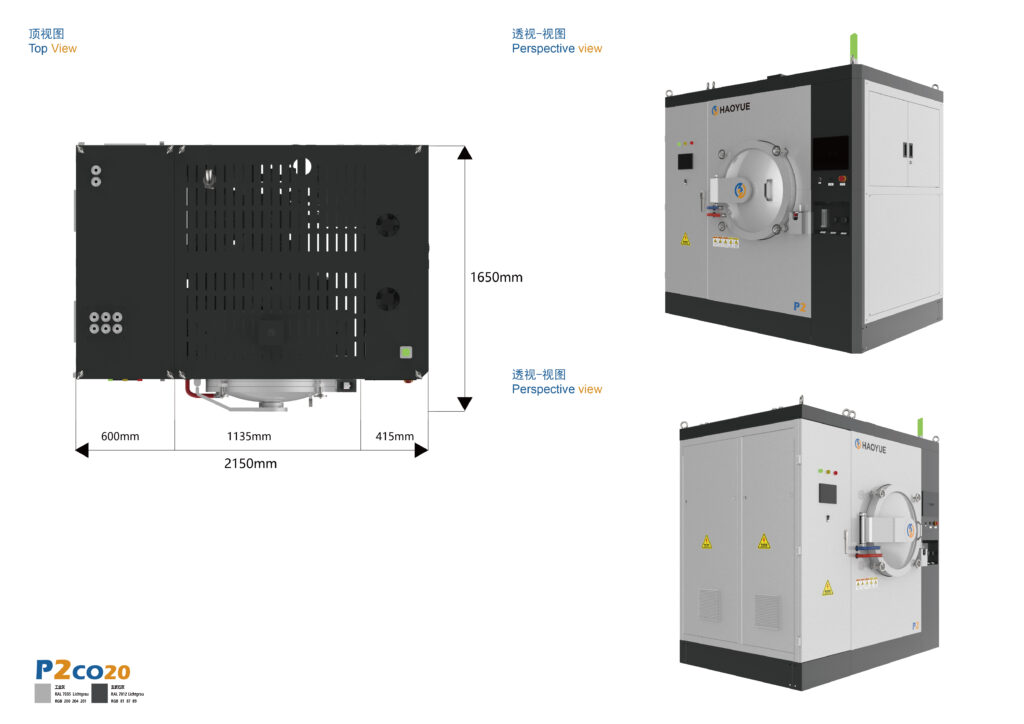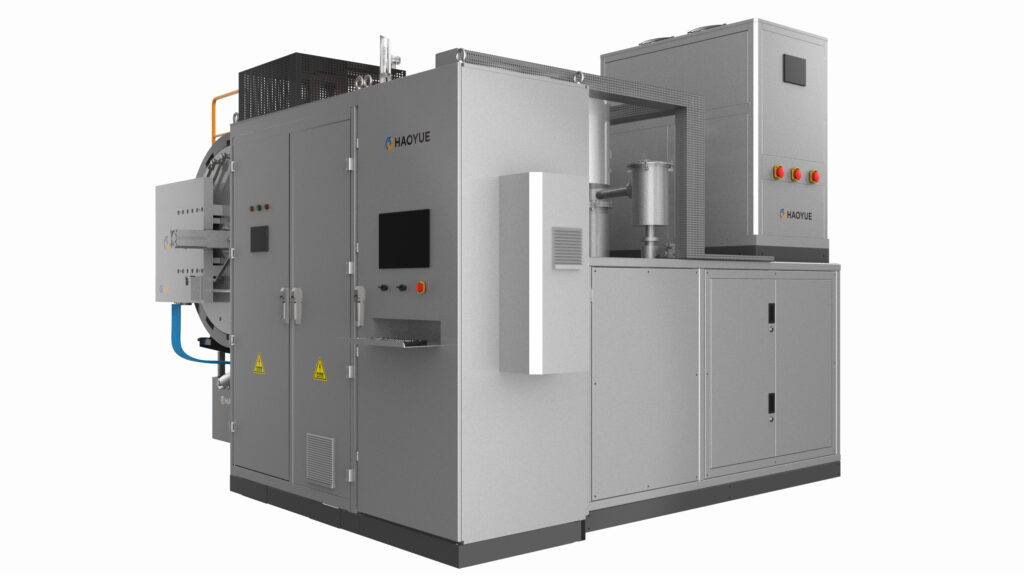






In the rapidly evolving landscape of advanced metallurgy, technical ceramics, and semiconductor manufacturing, achieving precise thermal control is paramount. As a premier vacuum furnace manufacturer, we understand that selecting the right thermal processing system directly impacts material density, structural integrity, and overall component performance. Modern industrial applications demand highly specialized solutions, ranging from advanced powder metallurgy consolidation to ultra-clean joining techniques. Partnering with an experienced vacuum sintering furnace manufacturer ensures access to cutting-edge thermal technologies designed to meet stringent global engineering standards.
Advanced Sintering Technologies and Densification
For advanced materials requiring high density and fine grain structures, manufacturers must evaluate several consolidation techniques. When comparing SPS vs hot pressing, Spark Plasma Sintering (SPS) offers rapid heating rates and shorter cycle times, making it a preferred choice for synthesizing novel materials. As a leading SPS furnace manufacturer and hot pressing furnace manufacturer, we provide tailored systems designed for high-pressure and high-temperature environments. For extreme density requirements, comparing HIP vs vacuum sintering reveals that Hot Isostatic Pressing (HIP) eliminates internal porosity through simultaneous high temperature and gas pressure. As an established HIP manufacturer, our systems excel in post-sintering densification. Understanding the nuances of vacuum sintering vs pressure sintering is critical when optimizing a silicon carbide sintering, zirconia sintering process, or alumina sintering process. Furthermore, advanced thermal profiles are essential for complex metallurgical applications like tungsten carbide sintering and high-purity molybdenum sintering.
High-Performance Heat Treatment and Precision Brazing
Beyond sintering, precise thermal modification of metal alloys is vital. Choosing a certified vacuum heat treatment furnace manufacturer guarantees equipment capable of executing precise thermal profiles under vacuum or controlled atmospheres. In comparing a vacuum furnace vs atmosphere furnace, vacuum systems offer superior surface finishes and eliminate oxidation. For applications requiring ultra-clean reducing environments, a vacuum hydrogen furnace is indispensable. When choosing heating elements, evaluating a graphite furnace vs molybdenum furnace is crucial, as molybdenum elements prevent carbon contamination in sensitive alloys. Key processes such as the vacuum annealing process, vacuum hardening process, and specialized titanium alloy heat treatment ensure parts achieve optimal mechanical properties. For joining assemblies, a vacuum brazing furnace manufacturer provides systems that execute a reliable vacuum brazing process. When analyzing vacuum brazing vs conventional brazing, vacuum-based methods yield exceptionally clean, flux-free joints with superior mechanical strength, especially when utilizing a gas pressure sintering furnace for dual-action consolidation and cooling.
Industry-Specific Thermal Solutions
Different industries demand highly customized thermal solutions. In aerospace, where component failure is not an option, utilizing an aerospace vacuum furnace or an aerospace heat treatment furnace ensures compliance with Nadcap standards. In the medical sector, a specialized medical implant sintering furnace or dental implant vacuum furnace is required to process biocompatible materials without contamination. The electronics sector heavily relies on a high-purity semiconductor vacuum furnace to manufacture wafers and sensor components. Additionally, the green energy transition drives the need for a high-throughput battery material sintering furnace, while industrial machining relies on a robust carbide tool sintering furnace to produce high-wear cutting tools. Utilizing a precise vacuum sintering process across these industries guarantees unmatched material performance and repeatability.