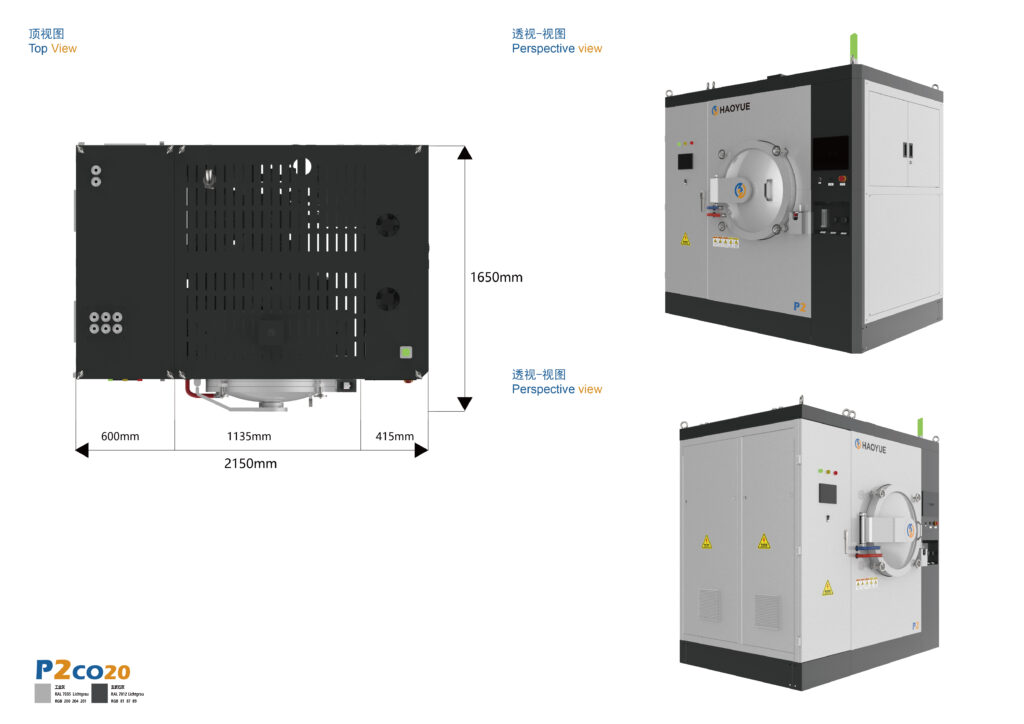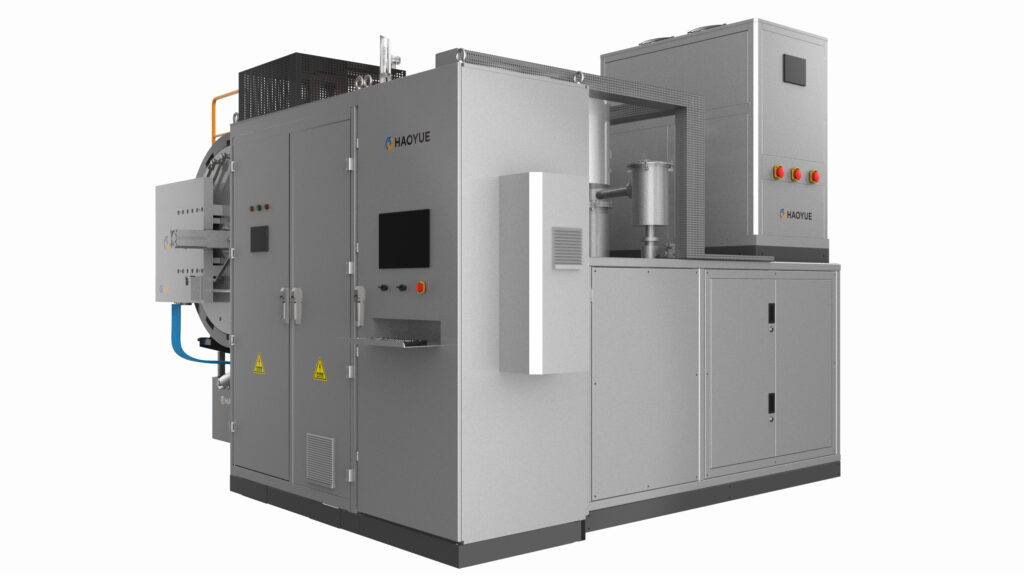






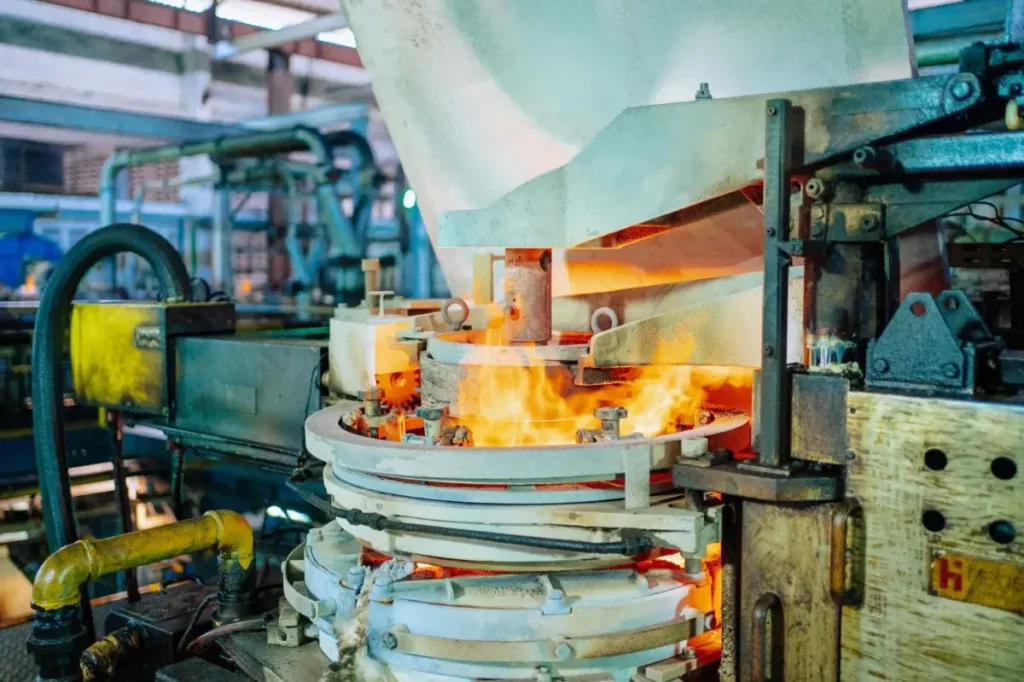
In the rapidly evolving landscape of advanced material science, achieving exceptional material density, purity, and mechanical integrity requires precise thermal processing. For global procurement officers and metallurgical engineers, selecting the right equipment starts with partnering with a leading, experienced vacuum furnace manufacturer. Modern industrial applications demand tailored thermal environments, making the choice of a specialized vacuum sintering furnace manufacturer a critical factor in production success. By understanding the underlying physics of vacuum metallurgy, engineering teams can optimize their production lines for superior yield and performance.
Sintering Methodologies: SPS, Hot Pressing, and HIP
When engineering high-performance ceramics and powder metals, selecting the optimal consolidation method is paramount. A common engineering debate centers on SPS vs hot pressing. Spark Plasma Sintering (SPS) utilizes pulsed direct current to generate localized Joule heating, enabling rapid consolidation at lower temperatures. Consulting an experienced SPS furnace manufacturer allows facilities to achieve near-theoretical density in minutes. Conversely, working with a hot pressing furnace manufacturer provides a reliable path for processing large-scale components under uniaxial pressure and high heat, albeit with longer cycle times.
For extreme applications requiring isotropic density, engineers often evaluate HIP vs vacuum sintering. Hot Isostatic Pressing (HIP) utilizes high-pressure inert gas to eliminate internal porosity. Partnering with a certified HIP manufacturer ensures the elimination of micro-voids in critical components. However, when analyzing vacuum sintering vs pressure sintering, standard vacuum sintering remains highly cost-effective for complex geometries that do not require ultra-high pressure. For materials requiring moderate overpressure to prevent decomposition, utilizing a gas pressure sintering furnace offers a versatile middle ground.
Advanced Sintering Processes for Technical Materials
The success of the vacuum sintering process depends heavily on the material being processed. For instance, high-temperature structural ceramics like silicon carbide sintering require precise atmosphere control to prevent oxidation. Similarly, the zirconia sintering process and the alumina sintering process require highly uniform hot zones to avoid micro-cracking and to control grain growth, which is critical for structural and medical applications. For refractory metals and hard metals, specialized cycles such as tungsten carbide sintering and high-temperature molybdenum sintering ensure high hardness and wear resistance by eliminating binder phases cleanly under vacuum.
Vacuum Heat Treatment, Annealing, and Brazing
Beyond consolidation, thermal post-processing defines the final mechanical properties of a component. When comparing a vacuum furnace vs atmosphere furnace, the vacuum environment prevents oxidation, decarburization, and hydrogen embrittlement. For critical stress-relief and grain refinement, executing a precise vacuum annealing process restores ductility to cold-worked metals. To achieve high surface hardness and core toughness, implementing a controlled vacuum hardening process is necessary, especially for tool steels and high-strength alloys. For specialized reactive metals, executing a flawless titanium alloy heat treatment requires deep vacuum levels to prevent alpha-case formation.
For assembly, the benefits of vacuum brazing vs conventional brazing are clear: vacuum brazing eliminates the need for corrosive fluxes, resulting in exceptionally clean, high-strength joints. Selecting a qualified vacuum brazing furnace manufacturer ensures your system can execute a repeatable vacuum brazing process for complex multi-channel heat exchangers and assemblies. Depending on the alloy chemistry, utilizing a vacuum hydrogen furnace can assist in reducing surface oxides during the heating cycle, ensuring superior wetting of the filler metal.
Chamber Configurations: Graphite vs. Molybdenum
A critical decision when designing a thermal system is evaluating a graphite furnace vs molybdenum furnace. Graphite hot zones offer excellent thermal shock resistance, cost-efficiency, and extremely high temperature capabilities, making them ideal for structural carbon composites and carbides. However, for clean-room environments and sensitive alloys that react with carbon, a molybdenum hot zone (all-metal hot zone) is mandatory to prevent carbon contamination. Choosing a qualified vacuum heat treatment furnace manufacturer will help you determine the correct heating element and insulation materials for your specific process chemistry.
Industry-Specific Thermal Solutions
Modern manufacturing requires highly specialized thermal systems tailored to specific industrial standards:
- Aerospace: High-integrity components require an aerospace vacuum furnace and a compliant aerospace heat treatment furnace that meet strict AMS2750 standards for pyrometry and temperature uniformity.
- Medical: Biocompatible materials must be processed in a dedicated medical implant sintering furnace or a highly precise dental implant vacuum furnace to ensure zero contamination of titanium or zirconia structures.
- Semiconductors: Processing wafer-handling components and high-purity ceramics requires a specialized semiconductor vacuum furnace designed for ultra-high vacuum (UHV) operation.
- Energy & Tooling: Advanced energy storage materials rely on a high-throughput battery material sintering furnace, while high-performance cutting tools are optimized inside a rugged carbide tool sintering furnace.
By aligning your metallurgical requirements with the correct furnace technology, you can ensure repeatable quality, lower operating costs, and a faster return on investment for your thermal processing facility.