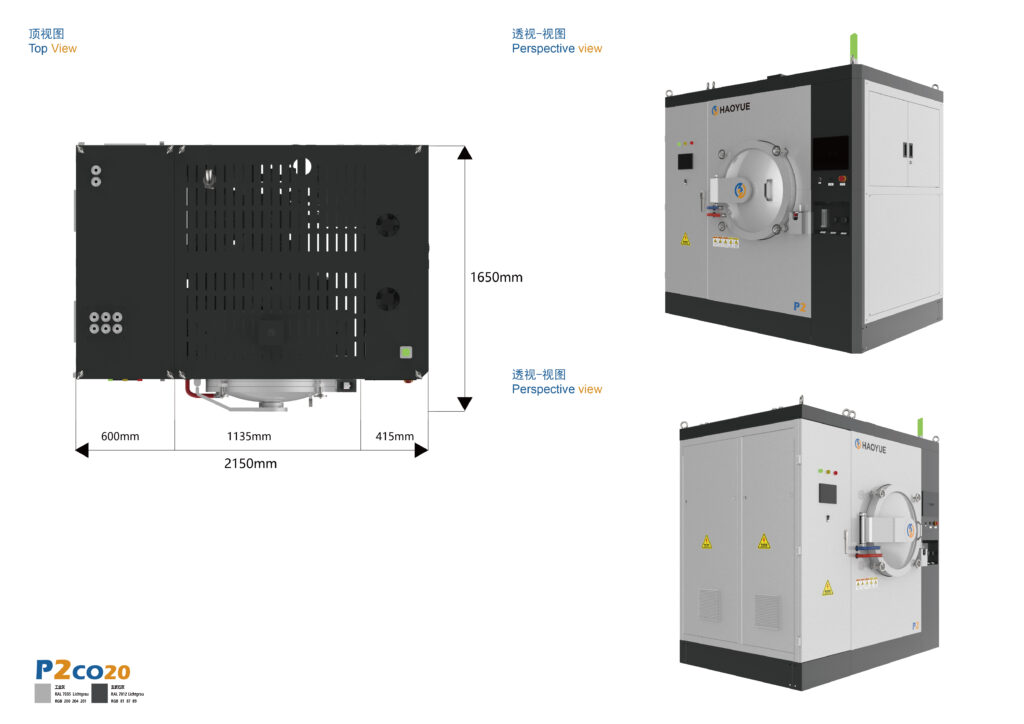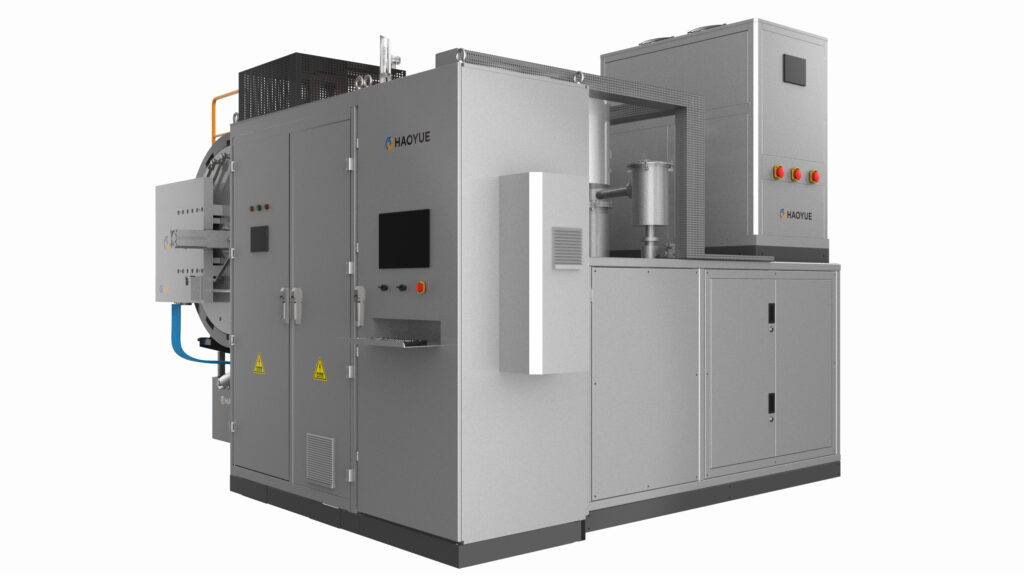






In modern industrial manufacturing, achieving precise material properties requires advanced thermal processing equipment. High-performance sectors like aerospace, medical devices, and semiconductors demand components with exceptional density, strength, and purity. Choosing the right thermal processing system is critical, and partnering with a qualified vacuum furnace manufacturer is the first step toward optimizing production efficiency and component quality.
Key Sintering Technologies: SPS, Hot Pressing, and HIP
Engineers must evaluate several advanced consolidation techniques depending on the material and application requirements. When comparing SPS vs hot pressing, Spark Plasma Sintering (SPS) offers rapid heating rates and shorter cycle times by passing a pulsed direct current directly through the mold and compact. For businesses looking to implement this technology, selecting a specialized SPS furnace manufacturer ensures access to systems capable of precise pressure and current control. Conversely, a hot pressing furnace manufacturer provides systems optimized for traditional uniaxial pressure sintering, which is ideal for larger, simpler geometries requiring extended dwell times.
For components requiring complete elimination of internal porosity, Hot Isostatic Pressing (HIP) is the gold standard. When analyzing HIP vs vacuum sintering, HIP utilizes high-pressure inert gas (typically argon) to apply isostatic pressure, whereas the standard vacuum sintering process relies on thermal energy alone to drive densification. To achieve maximum theoretical density in critical structural components, consulting an experienced HIP manufacturer is essential. Additionally, for materials prone to decomposition at high temperatures, a gas pressure sintering furnace combines vacuum heating with overpressure gas to suppress material dissociation.
Material-Specific Sintering Processes
Different materials require tailored thermal profiles and atmospheric controls to achieve optimal performance:
- Silicon carbide sintering: This highly covalent ceramic requires temperatures exceeding 2000°C. Achieving high density requires precise control of the vacuum level and protective atmospheres.
- Zirconia sintering process: Widely used in medical and dental applications, this process requires precise temperature uniformity to control phase transformation and grain growth, often utilizing a dedicated dental implant vacuum furnace or medical implant sintering furnace.
- Alumina sintering process: Essential for electronic substrates and wear-resistant parts, requiring tight temperature control to prevent abnormal grain growth.
- Tungsten carbide sintering: Typically processed in a specialized carbide tool sintering furnace, this involves liquid-phase sintering to bind the hard carbide grains with a metallic binder like cobalt.
- Molybdenum sintering: Refractory metals require high-temperature vacuum processing to prevent oxidation and achieve high purity.
Vacuum Heat Treatment and Brazing Technologies
Beyond sintering, vacuum furnaces are indispensable for heat treatment and joining. When comparing vacuum furnace vs atmosphere furnace, vacuum systems offer superior protection against oxidation, decarburization, and surface contamination. A premier vacuum heat treatment furnace manufacturer designs equipment capable of executing precise thermal cycles, including the vacuum annealing process to relieve internal stresses and the vacuum hardening process to achieve high hardness and wear resistance.
For critical aerospace components, a dedicated aerospace heat treatment furnace or aerospace vacuum furnace ensures compliance with strict Nadcap standards, especially during complex procedures like titanium alloy heat treatment. For joining delicate assemblies, the vacuum brazing process offers significant advantages. In a direct comparison of vacuum brazing vs conventional brazing, vacuum brazing eliminates the need for flux, preventing corrosive residues and producing exceptionally clean, high-strength joints. Sourcing equipment from an established vacuum brazing furnace manufacturer guarantees the temperature uniformity and vacuum levels required for high-integrity joints.
Specialized Furnaces for Advanced Industries
Emerging high-tech industries require specialized thermal processing environments. In the electronics sector, a high-purity semiconductor vacuum furnace is essential for wafer processing, crystal growth, and thin-film deposition. For advanced energy storage, a specialized battery material sintering furnace is used to synthesize cathode and anode active materials under precise atmospheric conditions. Additionally, a vacuum hydrogen furnace is highly effective for reducing metal oxides and processing refractory metals under a highly reducing atmosphere.
Choosing the Right Furnace Configuration
When selecting a furnace, the choice of heating chamber materials is critical. Comparing a graphite furnace vs molybdenum furnace reveals distinct trade-offs. Graphite hot zones are highly cost-effective, durable, and capable of reaching extremely high temperatures, making them ideal for carbon-tolerant materials. However, for applications where carbon contamination must be strictly avoided, such as in semiconductor processing or certain medical implants, a molybdenum (all-metal) hot zone is required.
In conclusion, selecting the optimal thermal processing path involves a careful analysis of vacuum sintering vs pressure sintering, material characteristics, and industry standards. Partnering with a comprehensive vacuum sintering furnace manufacturer allows engineers to customize thermal systems that meet the exact demands of modern manufacturing, ensuring consistent quality, high throughput, and long-term operational reliability.