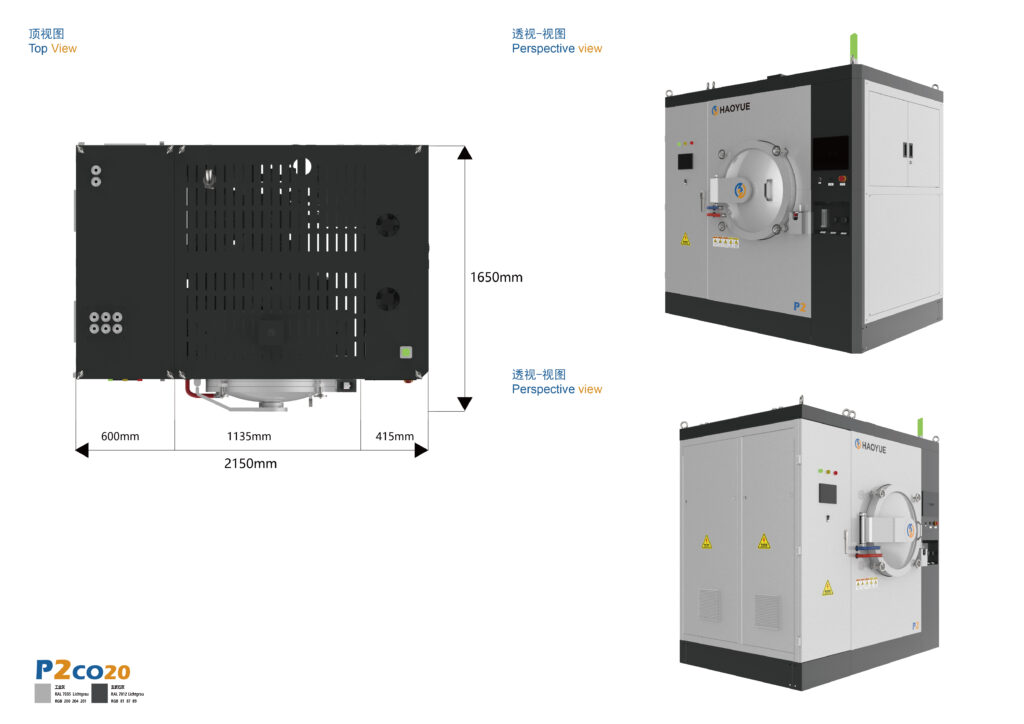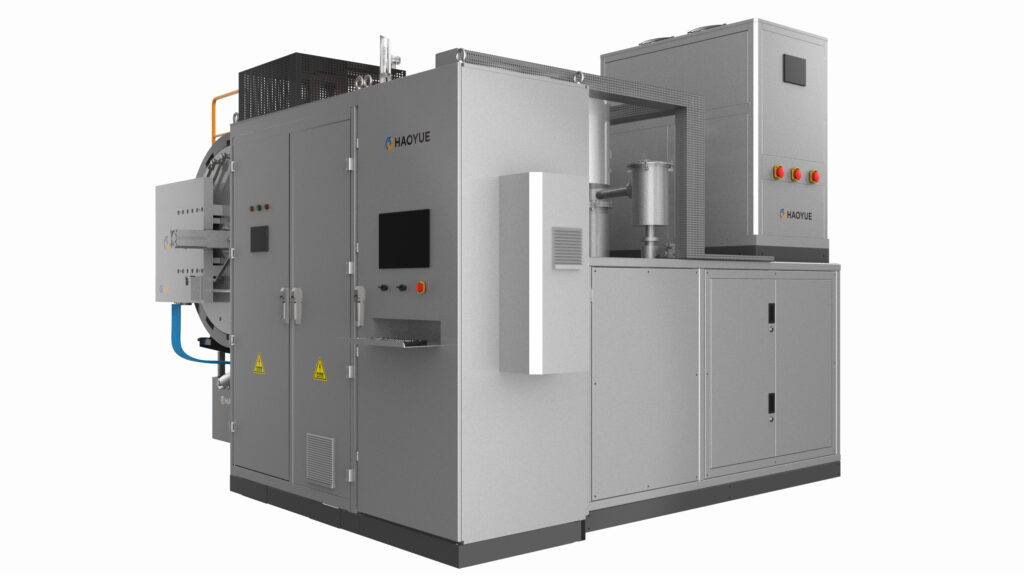






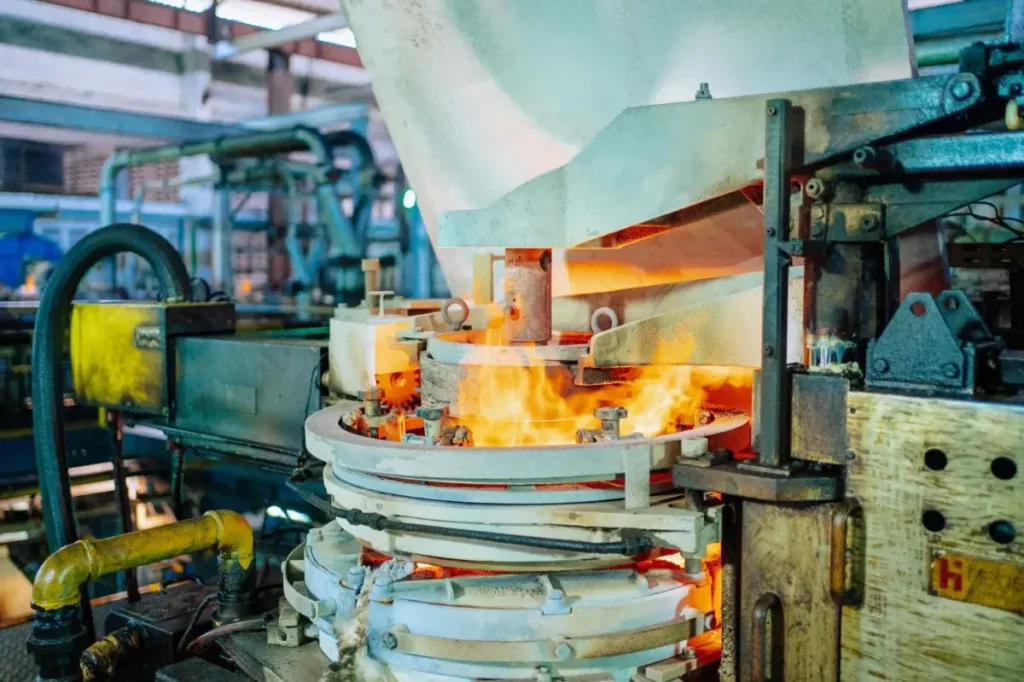
In the high-precision world of modern metallurgy, advanced ceramics, and semiconductor manufacturing, achieving flawless material properties depends heavily on thermal processing control. Selecting the right equipment and partner, such as a premier vacuum furnace manufacturer, is a critical decision for engineers and procurement specialists alike. Whether your operations require a specialized vacuum sintering furnace manufacturer or a versatile vacuum heat treatment furnace manufacturer, understanding the nuances of thermal dynamics, atmosphere control, and material science is paramount to optimizing your production pipeline.
The Evolution of Sintering: Selecting the Right Technology
Sintering is the cornerstone of powder metallurgy and technical ceramics. When evaluating methods, engineers often compare SPS vs hot pressing. Spark Plasma Sintering (SPS), sourced from a specialized SPS furnace manufacturer, utilizes pulsed direct current to achieve rapid densification, whereas traditional hot pressing, provided by a hot pressing furnace manufacturer, relies on simultaneous uniaxial pressure and heat over longer cycles. For ultra-high-performance components, comparing HIP vs vacuum sintering becomes essential. Hot Isostatic Pressing (HIP), designed by a leading HIP manufacturer, applies gas pressure multi-directionally to eliminate internal porosity, while the standard vacuum sintering process provides an economical yet highly effective solution for complex geometries without extreme pressure requirements.
In cases where standard vacuum levels are insufficient to prevent volatilization or to promote densification of specific ceramics, the debate of vacuum sintering vs pressure sintering arises. For instance, a gas pressure sintering furnace is highly effective for materials requiring overpressure at high temperatures to prevent decomposition, such as in advanced silicon carbide sintering applications. Conversely, the high-purity vacuum sintering process remains the gold standard for a wide range of oxide and non-oxide ceramics, including the zirconia sintering process for dental and structural applications, and the high-temperature alumina sintering process.
Material-Specific Thermal Processing and Furnace Selection
Different materials demand tailored thermal profiles and atmospheric conditions. For refractory metals, tungsten carbide sintering and molybdenum sintering require precise temperature control and exceptional vacuum integrity to prevent oxidation and ensure structural homogeneity. When configuring these high-temperature systems, engineers must weigh the benefits of a graphite furnace vs molybdenum furnace. Graphite hot zones offer excellent thermal uniformity and cost-efficiency at extreme temperatures but can cause carbon contamination in sensitive alloys. Molybdenum hot zones, on the other hand, provide an ultra-clean, carbon-free environment essential for processing medical-grade materials and aerospace-grade superalloys.
Furthermore, when comparing a vacuum furnace vs atmosphere furnace, the complete absence of oxygen in a vacuum environment eliminates decarburization and oxidation, making it far superior for critical applications like titanium alloy heat treatment. For specialized metallurgical reactions, a vacuum hydrogen furnace introduces controlled reducing atmospheres to eliminate oxides during sintering or brazing of stainless steels and refractory metals.
Industry-Specific Thermal Solutions
The demands of high-tech industries have driven specialized innovations in furnace design. In the aerospace sector, components must withstand extreme stresses, requiring an aerospace vacuum furnace for structural parts and an aerospace heat treatment furnace to execute precise vacuum hardening process and vacuum annealing process cycles on critical turbine blades and landing gear components. For medical applications, where biocompatibility is non-negotiable, a dedicated medical implant sintering furnace ensures pristine surface chemistry, while dental laboratories rely on a compact dental implant vacuum furnace to process zirconia crowns with absolute aesthetic and structural consistency.
In the energy and electronics sectors, the rapid growth of energy storage has heightened the demand for a specialized battery material sintering furnace to synthesize advanced cathode and anode powders. Simultaneously, the tooling industry relies on a high-throughput carbide tool sintering furnace to produce ultra-hard cutting and drilling inserts. In the microelectronics domain, the semiconductor vacuum furnace has become indispensable for wafer processing, crystal growth, and thin-film deposition under ultra-clean vacuum conditions.
Advanced Joining and Surface Hardening
Beyond sintering, vacuum furnaces are vital for high-integrity joining. Working with an experienced vacuum brazing furnace manufacturer allows companies to transition from traditional methods to a high-purity vacuum brazing process. When comparing vacuum brazing vs conventional brazing, vacuum brazing eliminates the need for corrosive fluxes, prevents oxidation, and produces clean, flux-free joints with exceptional mechanical strength—ideal for heat exchangers and aerospace assemblies.
In conclusion, whether you are optimizing a vacuum hardening process for tool steels, refining a vacuum annealing process for stress relief, or selecting a system for high-volume technical ceramics, partnering with a qualified industrial thermal specialist ensures your equipment meets the rigorous standards of modern manufacturing.