





When seeking a vacuum sintering furnace supplier in today’s advanced manufacturing landscape, the decision goes far beyond just the equipment itself. This article will guide you through the critical factors for selecting a partner that ensures not only high-performance industrial furnaces but also long-term reliability and support. You’ll learn how to assess a supplier’s technological capabilities, evaluate essential furnace features, and understand the importance of comprehensive after-sales service, enabling you to make an informed investment that drives superior material processing outcomes. We’ll focus on what truly differentiates top-tier suppliers in a competitive global market, ensuring your operational success.
Key Takeaways
- Prioritize suppliers demonstrating advanced technology and customization.
- Thoroughly evaluate furnace specifications like temperature uniformity and vacuum integrity.
- Assess after-sales support, including installation, training, and maintenance.
- Choose a vacuum sintering furnace supplier with a proven track record and industry expertise.
What Defines a Reliable Vacuum Sintering Furnace Supplier?
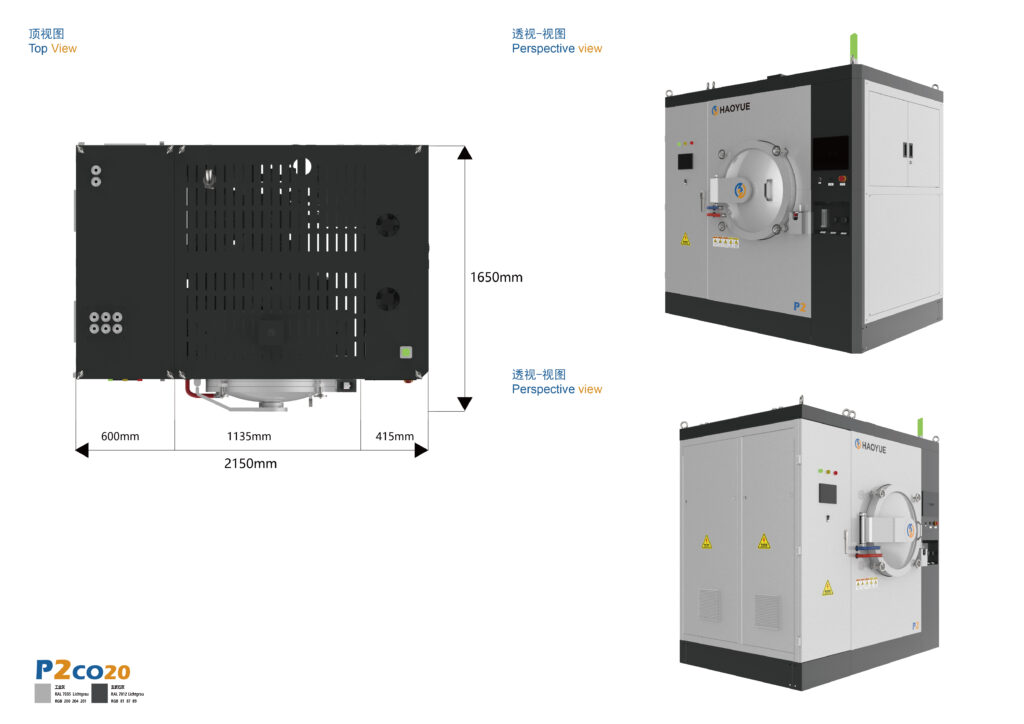
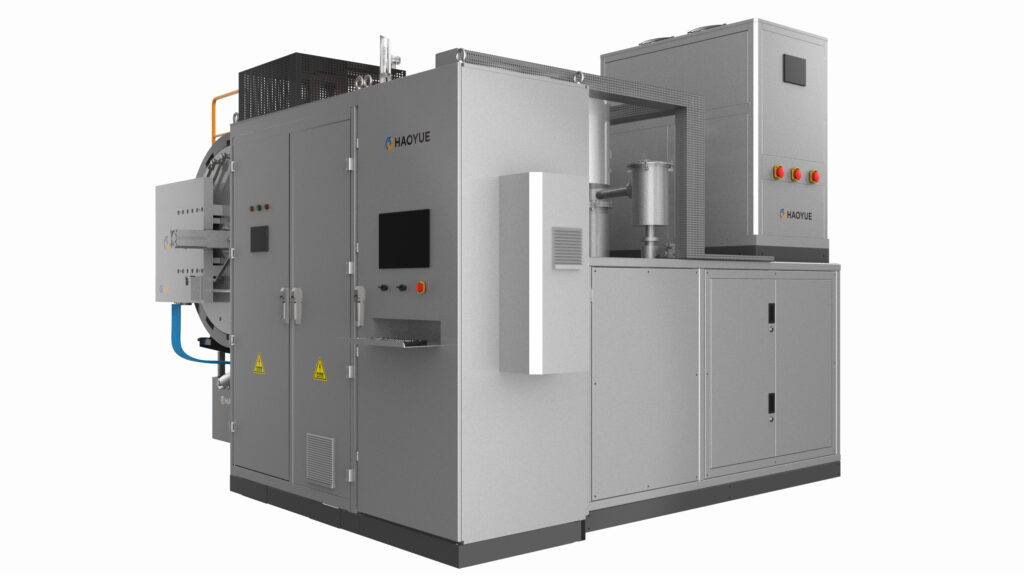
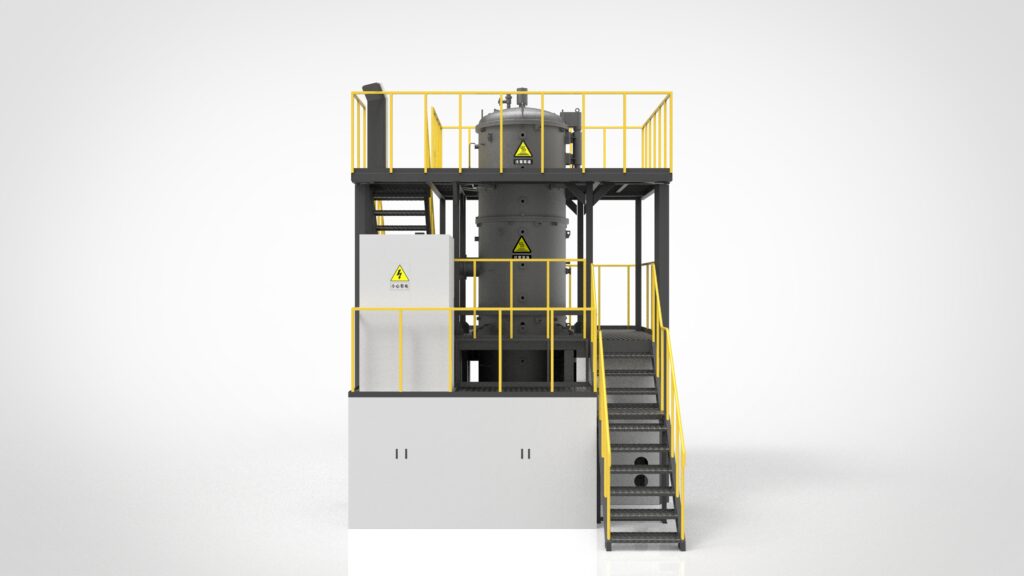
A leading vacuum sintering furnace supplier offers advanced solutions tailored to specific material processing needs. Prioritize suppliers demonstrating innovation in furnace design, integrating precision temperature control, multi-zone heating, and robust vacuum systems. Customization options, from chamber size to atmosphere control, indicate a commitment to unique industrial requirements.
Evaluating Technical Specifications and Performance
Critical to purchasing is a deep dive into technical specifications. High-performance vacuum sintering furnaces must deliver exceptional temperature uniformity, often within ±1-2°C, and achieve ultimate vacuum levels vital for preventing material contamination. Advanced control systems, often PLC-based with intuitive HMI, are essential for precise process management. Adherence to recognized industry standards, like ASTM E2307 for temperature uniformity surveys, provides a benchmark for quality and helps assess true performance.
Beyond the Furnace: Support and Service Considerations
The true value of a vacuum sintering furnace supplier extends to post-sale support. Comprehensive service includes professional installation, operator training, and readily available technical assistance. Inquire about spare parts availability and preventative maintenance programs, vital for minimizing downtime and extending equipment lifespan. A supplier’s commitment to long-term partnerships ensures ongoing operational efficiency.
The Importance of Proven Expertise
Reputable suppliers often have decades of experience in high-temperature furnace technology, backed by successful installations and client testimonials. Look for certifications like ISO 9001 validating manufacturing processes and quality control. Their engineering teams should possess deep metallurgical and process knowledge, providing valuable consultation beyond equipment sales.
Choosing the right vacuum sintering furnace supplier is a strategic investment impacting production quality and efficiency. By meticulously evaluating a supplier’s technological prowess, furnace specifications, and comprehensive support, you empower your operations with reliable, high-performance equipment. Partner with those prioritizing long-term success through proven expertise and unwavering commitment to satisfaction.
Related Products & Services
- Vacuum Sintering Furnace – Advanced sintering solutions from HaoYue Group.
Looking for high-quality vacuum furnace solutions? Contact HaoYue Group for more information.
Related Products & Services
- Vacuum Sintering Furnace – Advanced sintering solutions from HaoYue Group.
Looking for high-quality vacuum furnace solutions? Contact HaoYue Group for more information.
Frequently Asked Questions
Why is customization important when choosing a vacuum sintering furnace supplier?
Customization ensures that the furnace meets specific industrial requirements, from chamber size to atmosphere control. This flexibility indicates a supplier's commitment to addressing unique processing needs, thereby enhancing the precision and efficiency of material treatment.
What are key technical specifications to look for in a vacuum sintering furnace?
Focus on temperature uniformity within ±1-2°C and robust vacuum levels to prevent contamination. Advanced control systems, such as PLC-based with intuitive HMI, are crucial for precise management. Compliance with standards like ASTM E2307 is also a good quality benchmark.
How does after-sales support enhance the value of a vacuum sintering furnace supplier?
After-sales support, including installation, training, and technical assistance, minimizes downtime and extends equipment lifespan. Access to spare parts and preventative maintenance programs are vital for ensuring ongoing operational efficiency and maximizing the return on your investment.
What role does industry expertise play in selecting a vacuum sintering furnace supplier?
Suppliers with decades of experience bring valuable knowledge in high-temperature furnace technology and metallurgical processes. Certifications like ISO 9001 and positive client testimonials further validate their capability to deliver reliable and high-performance solutions.
How can a supplier's technological capabilities impact your operational success?
Suppliers with advanced technological capabilities offer innovative furnace designs with features like precision temperature control and multi-zone heating. This ensures superior material processing outcomes, enhancing production quality and efficiency, which are critical for long-term operational success.
Why is it important to assess a supplier's track record and certifications?
A supplier's track record, backed by successful installations and client testimonials, indicates reliability and expertise. Certifications like ISO 9001 ensure adherence to quality standards, providing confidence in their manufacturing processes and commitment to delivering high-quality equipment.