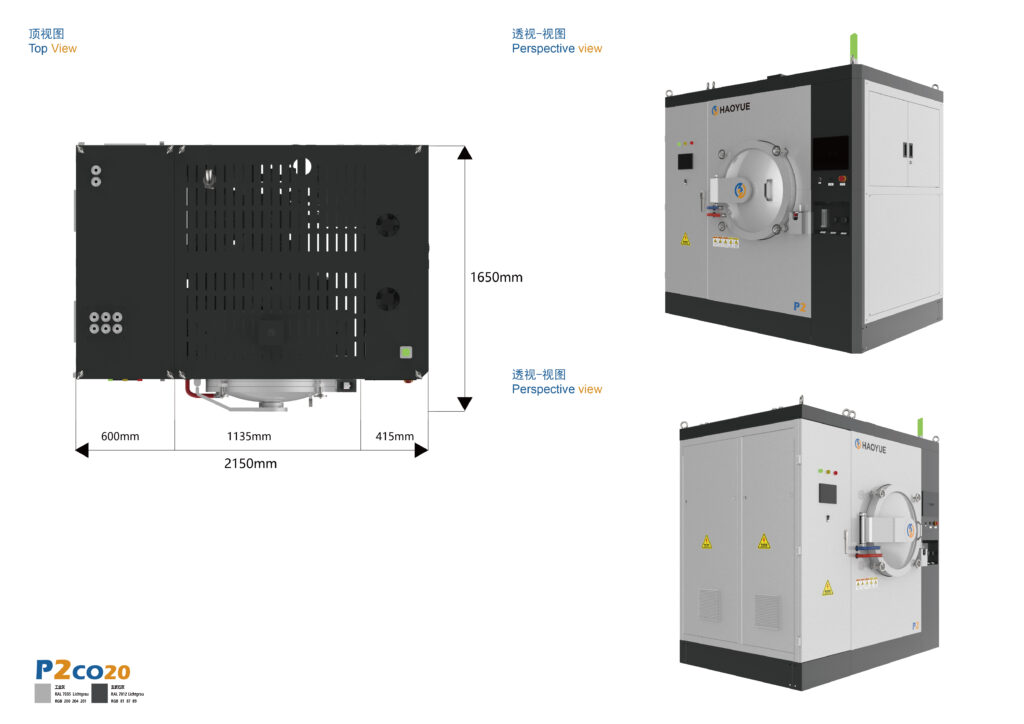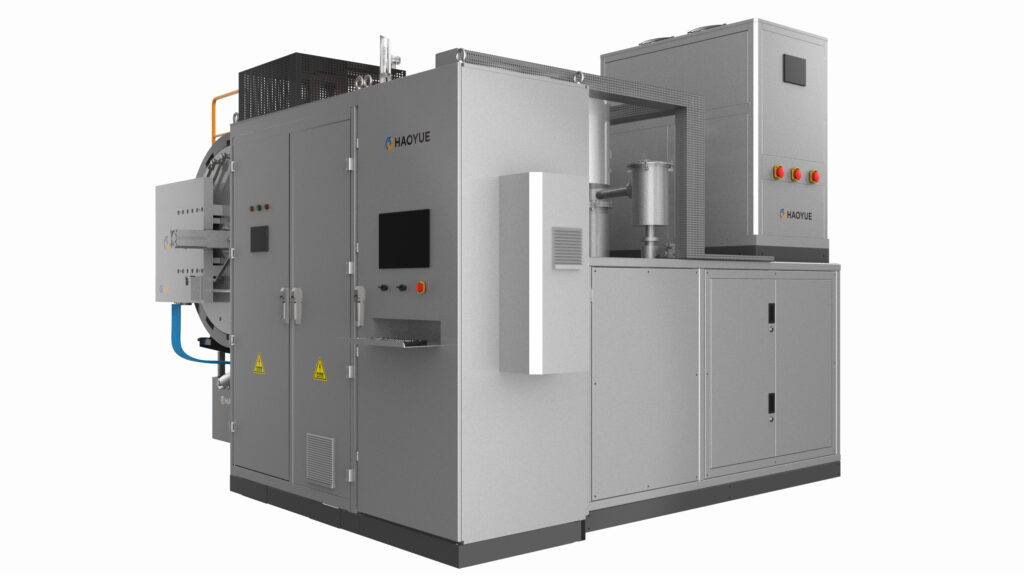






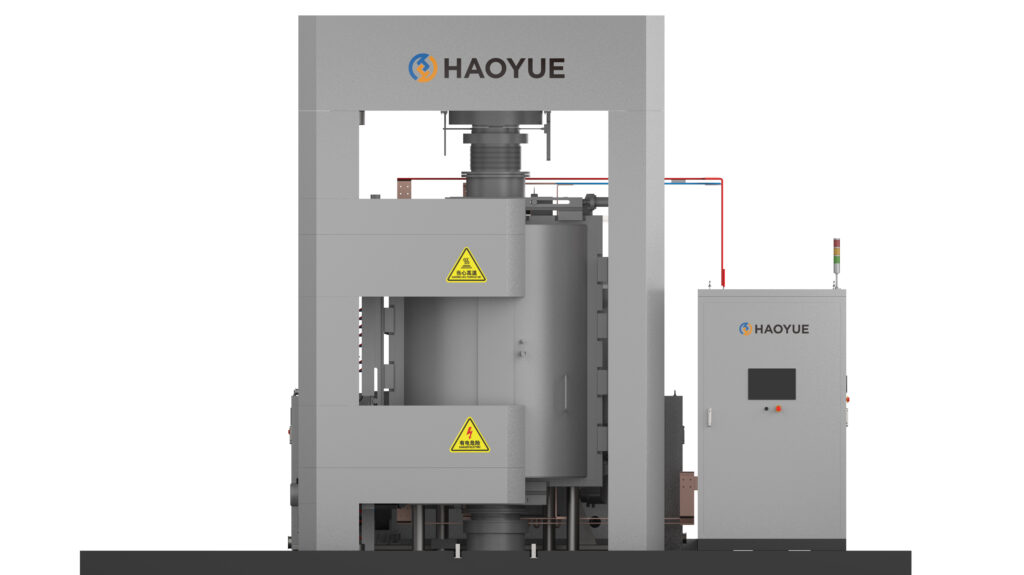
Navigating the acquisition of a new industrial furnace can be a complex undertaking, especially when precision and performance are paramount. This guide provides an intent-first, evidence-backed approach to understanding how to buy a vacuum sintering furnace, ensuring your investment aligns perfectly with your operational needs and long-term objectives. You’ll learn critical factors for evaluation, essential technical specifications, and the importance of robust after-sales support to make an informed decision for your material processing requirements.
Key Takeaways
- Clearly define process parameters (temperature, vacuum, material type) before selection.
- Prioritize technical specifications like temperature uniformity and vacuum integrity.
- Evaluate supplier reputation, warranty, and comprehensive after-sales support.
- Consider long-term operational costs including energy efficiency and maintenance.
What Factors Determine the Right Vacuum Sintering Furnace for Your Needs?
The initial step in purchasing a vacuum sintering furnace involves a thorough assessment of your specific application. Consider the types of materials you will process—metals, ceramics, or composites—as this dictates the required maximum temperature, heating rate, and cooling rate. The desired vacuum level, whether rough, medium, or high vacuum, is also critical for achieving optimal material properties and preventing contamination.
Furthermore, evaluate your production volume and part dimensions. This will inform the necessary chamber size and whether a batch or continuous furnace design is more suitable. Throughput requirements directly impact furnace design, energy consumption, and overall operational efficiency, making it crucial to project future growth.
How Can You Evaluate Technical Specifications and Features?
Detailed technical specifications are the backbone of a sound purchasing decision. Scrutinize the furnace’s heating elements, power consumption, and the sophistication of its control system, which should offer precise temperature uniformity and programmable cycles. Advanced control systems (e.g., PLC-based with HMI) are vital for consistent results and data logging.
Beyond heating, assess the vacuum pumping system’s speed and ultimate vacuum capability, along with gas management options for inert gas backfilling. Safety features, including interlocks and emergency shutdown protocols, are non-negotiable. It’s imperative that the furnace adheres to rigorous vacuum integrity standards to prevent atmospheric contamination, a principle outlined in global references like ISO standards for vacuum technology calibration, ensuring reliable and repeatable performance in high-temperature applications.
What After-Sales Support and Supplier Reputation Should You Consider?
The relationship with your furnace supplier extends far beyond the point of sale. A reputable manufacturer offers comprehensive support, including professional installation, thorough operator training, and a clear warranty policy. Understanding the scope of the warranty and available extended service plans is crucial for managing potential future costs.
Investigate the supplier’s track record for spare parts availability, technical support responsiveness, and the provision of routine maintenance services. Long-term operational reliability often hinges on the quality and accessibility of post-purchase support, directly impacting uptime and overall productivity.
Selecting the ideal vacuum sintering furnace requires meticulous due diligence, balancing immediate needs with future scalability and operational longevity. Begin by thoroughly defining your process parameters and engaging with multiple reputable suppliers to compare specifications, support packages, and total cost of ownership. This strategic approach ensures your investment yields consistent, high-quality results for years to come.
Related Products & Services
- Vacuum Sintering Furnace – Advanced sintering solutions from HaoYue Group.
Looking for high-quality vacuum furnace solutions? Contact HaoYue Group for more information.
Related Products & Services
- Vacuum Sintering Furnace – Advanced sintering solutions from HaoYue Group.
Looking for high-quality vacuum furnace solutions? Contact HaoYue Group for more information.
Frequently Asked Questions
What are the key technical specifications to consider when buying a vacuum sintering furnace?
Key specifications include temperature uniformity, vacuum integrity, and the sophistication of the control system. Evaluate the furnace's heating elements, power consumption, and vacuum pumping system. Ensure the system has advanced controls like PLC-based with HMI for precise operation and data logging, and adheres to ISO standards for vacuum technology calibration.
Why is after-sales support crucial when purchasing a vacuum sintering furnace?
After-sales support is essential for ensuring long-term operational reliability and minimizing downtime. It includes professional installation, operator training, and a clear warranty policy. Reliable spare parts availability and responsive technical support are vital for maintaining productivity and managing future costs effectively.
How does the choice of materials impact the selection of a vacuum sintering furnace?
The materials you intend to process—such as metals, ceramics, or composites—dictate the required maximum temperature, heating rate, and cooling rate. These factors influence the furnace's design and technical specifications, ensuring optimal material properties and preventing contamination during processing.
What role does energy efficiency play in the selection of a vacuum sintering furnace?
Energy efficiency impacts long-term operational costs significantly. Evaluate the power consumption of the furnace and its design for energy-efficient operation. Efficient furnaces reduce energy expenses and contribute to sustainable production practices, making them a critical consideration for both economic and environmental reasons.
How do production volume and part dimensions affect the choice of a vacuum sintering furnace?
Production volume and part dimensions determine the necessary chamber size and whether a batch or continuous furnace design is appropriate. These factors influence throughput requirements, energy consumption, and overall operational efficiency, making it crucial to consider current needs and future growth projections.