





For procurement engineers tasked with sourcing specialized equipment, the selection of a ceramic sintering furnace represents a critical decision. The performance of advanced ceramic components, particularly those made from high-purity zirconia and alumina, hinges almost entirely on the capabilities of the sintering equipment. These materials, renowned for their exceptional hardness, wear resistance, and high-temperature stability, demand precise atmospheric control and temperature uniformity during the sintering process to achieve their full potential. This guide delves into the essential considerations for choosing the ideal furnace, addressing the unique challenges posed by these high-performance ceramics and outlining the critical features that ensure successful densification and microstructure development.
The Unique Demands of Zirconia and Alumina Sintering
Zirconia (ZrO2) and alumina (Al2O3) are two of the most widely used technical ceramics, each presenting distinct challenges and requirements during the sintering process. Understanding these nuances is paramount for selecting a ceramic sintering furnace that can consistently deliver desired material properties.
Challenges with Zirconia Sintering
Zirconia is celebrated for its high strength, fracture toughness, and biocompatibility, making it indispensable in medical, dental, and structural applications. However, its polymorphic transformations during heating and cooling require careful management. Zirconia exists in monoclinic, tetragonal, and cubic phases, with phase transitions occurring at specific temperatures. Uncontrolled cooling can lead to the transformation of the tetragonal phase (t-ZrO2) to the monoclinic phase (m-ZrO2), causing volume expansion and potential cracking or weakening of the material. Therefore, sintering zirconia often involves stabilizing agents like yttria (Y-TZP) to retain the desirable tetragonal phase at room temperature. A furnace designed for zirconia must offer exceptional temperature uniformity and precise control over heating and cooling rates to prevent thermal shock and manage phase transformations effectively. The ability to maintain specific atmospheres, such as vacuum or inert gases, can also influence grain growth and prevent contamination, which is crucial for achieving high-density, defect-free components.
Challenges with Alumina Sintering
Alumina, known for its extreme hardness, high melting point, and excellent electrical insulation properties, is a staple in wear parts, refractories, and electronic substrates. Sintering alumina typically requires very high temperatures, often exceeding 1600°C, to achieve full densification. The primary challenge lies in preventing excessive grain growth while promoting densification. Large grains can lead to reduced mechanical strength and transparency issues, particularly in applications requiring optical clarity. Furnaces used for alumina sintering must provide extremely high and stable temperatures, often with advanced insulation and heating elements capable of operating reliably in such demanding conditions. Atmospheric control, such as hydrogen or vacuum, can be employed to enhance densification and achieve specific microstructures, including transparent alumina. The choice of furnace material and design must also consider potential reactions with alumina at elevated temperatures.
Key Features to Look for in a Ceramic Sintering Furnace
When evaluating potential furnaces for zirconia and alumina, several critical features stand out. These attributes directly impact the quality, consistency, and cost-effectiveness of the sintered products.
Temperature Uniformity and Control
Achieving homogeneous material properties throughout a ceramic component relies heavily on precise temperature uniformity within the furnace chamber. Hot and cold spots can lead to uneven densification, differential shrinkage, and internal stresses, resulting in warpage, cracking, or inconsistent performance. Look for furnaces with multi-zone heating capabilities, advanced PID controllers, and strategically placed thermocouples to monitor and adjust temperatures across the load. The ability to program complex temperature profiles, including precise ramp rates, dwell times, and cooling rates, is non-negotiable for critical applications.
Atmospheric Control: Vacuum, Inert, and Reactive Gases
The sintering atmosphere plays a pivotal role in determining the final properties of ceramics. For zirconia and alumina, options typically include air, vacuum, inert gases (argon, nitrogen), or reducing atmospheres (hydrogen). A versatile ceramic sintering furnace should offer robust atmospheric control systems. Vacuum sintering is often preferred for high-purity ceramics to remove impurities and enhance densification by facilitating mass transport. Inert gas environments prevent oxidation and suppress volatile components. Reducing atmospheres, like hydrogen, can be used for specific applications to remove oxides or achieve particular microstructures. The furnace must be designed with high-quality seals, gas flow control, and safety interlocks for handling various gases, especially flammable ones like hydrogen.
Heating Elements and Insulation
The choice of heating elements is crucial for achieving and maintaining the high temperatures required for zirconia and alumina. Common materials include molybdenum disilicide (MoSi2), graphite, and tungsten. MoSi2 elements are suitable for oxidizing atmospheres up to 1800°C, while graphite and tungsten are ideal for vacuum or inert/reducing atmospheres at even higher temperatures. The insulation system, often composed of refractory ceramics, graphite felt, or metallic heat shields, must be robust enough to withstand extreme temperatures and thermal cycling while minimizing heat loss and ensuring energy efficiency. The longevity and reliability of these components directly impact operational costs and uptime.
Cooling Systems
Controlled cooling is as important as controlled heating, particularly for materials like zirconia that undergo phase transformations. Rapid cooling systems, such as gas quenching, can be essential for freezing in desired microstructures or preventing undesirable phase changes. The furnace should incorporate efficient and controllable cooling mechanisms that can be integrated into the overall sintering profile, ensuring consistent and repeatable results.
Automation and Data Logging
Modern ceramic sintering furnace systems offer advanced automation and data logging capabilities. A sophisticated control system allows for the programming and storage of multiple sintering recipes, reducing human error and improving reproducibility. Real-time monitoring of temperature, pressure, gas flow, and other parameters, coupled with comprehensive data logging, provides invaluable insights for process optimization, quality control, and troubleshooting. Remote access and diagnostic features can further enhance operational efficiency.
Collaboration with a Ceramic Sintering Furnace Manufacturer
The complexity of sintering high-performance ceramics necessitates close collaboration with an experienced ceramic sintering furnace manufacturer. Their expertise extends beyond simply building a furnace; it encompasses a deep understanding of material science, process engineering, and application-specific requirements.
Customization and Expertise
Off-the-shelf furnaces may not always meet the precise demands of specialized zirconia and alumina applications. A reputable manufacturer can offer customized solutions, tailoring chamber size, heating elements, atmospheric control systems, and automation features to specific needs. They can provide valuable guidance on optimizing sintering parameters, troubleshooting process issues, and ensuring the furnace design aligns with long-term production goals. Their engineers often have firsthand experience with various ceramic materials and can advise on best practices.
After-Sales Support and Maintenance
A ceramic sintering furnace is a significant capital investment, and its long-term reliability is paramount. Evaluate manufacturers based on their after-sales support, including installation, commissioning, training, and ongoing maintenance services. Availability of spare parts, technical assistance, and preventative maintenance programs are crucial for minimizing downtime and maximizing the operational lifespan of the equipment.
Beyond Sintering: Related Technologies and Manufacturers
While a ceramic sintering furnace is central to densification, other thermal processing technologies and manufacturers play complementary roles in achieving optimal ceramic properties.
The Role of a Vacuum Heat Treatment Furnace Manufacturer
Post-sintering heat treatments are often necessary to refine microstructure, relieve residual stresses, or enhance specific properties of ceramic components. A vacuum heat treatment furnace manufacturer can provide equipment for annealing, stress relieving, or other thermal processes that occur after the primary sintering step. These furnaces offer precise temperature control in vacuum or inert atmospheres, which is critical for maintaining the purity and integrity of high-performance ceramics.
Exploring Alternatives with an SPS Furnace Manufacturer
For certain advanced ceramics, especially those requiring rapid densification at lower temperatures or with minimized grain growth, Spark Plasma Sintering (SPS) offers an attractive alternative. An SPS furnace manufacturer specializes in systems that use pulsed direct current and uniaxial pressure to achieve extremely fast sintering times. This method is particularly beneficial for nanocrystalline materials or composites where conventional sintering might lead to excessive grain growth or decomposition of secondary phases.
Considering a Hot Isostatic Press Manufacturer for Post-Processing
Hot Isostatic Pressing (HIP) is a post-sintering densification technique that applies high pressure and elevated temperature simultaneously to ceramic components. A hot isostatic press manufacturer provides equipment capable of eliminating residual porosity, thereby improving mechanical properties such as fracture toughness and fatigue life. HIP is often employed for critical applications of zirconia and alumina where maximum density and flaw healing are paramount.
HAOYUE Furnace Technical Parameters
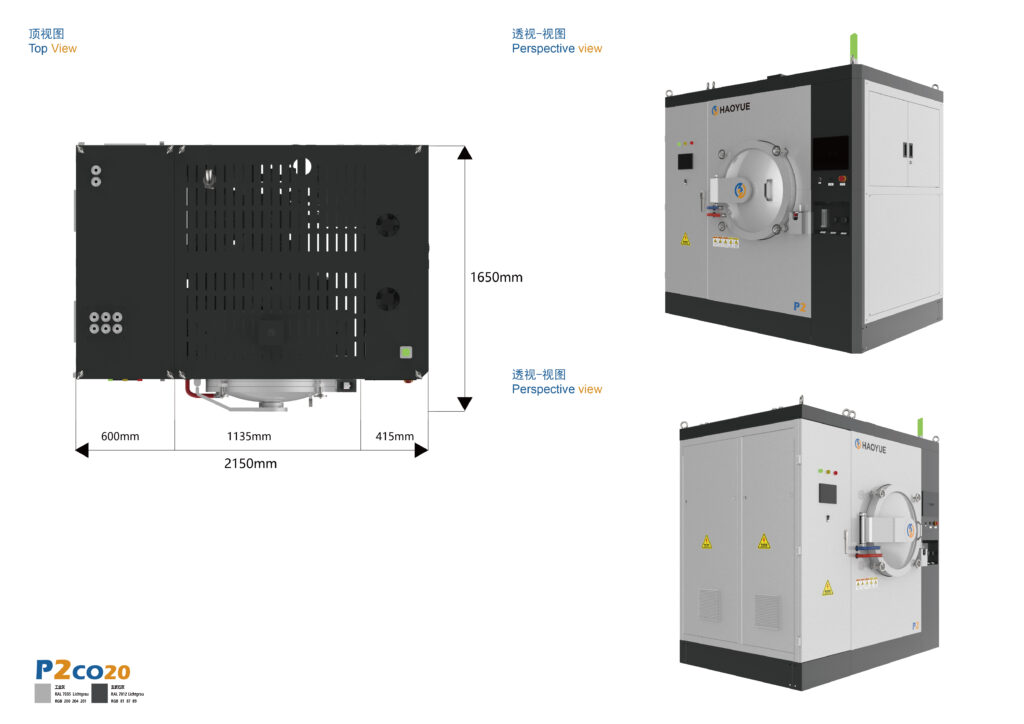
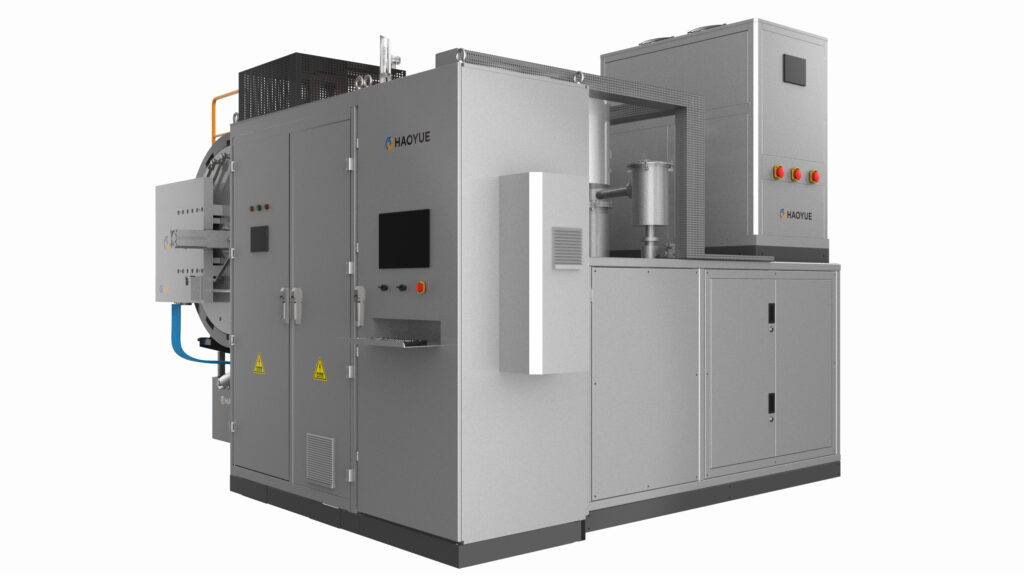
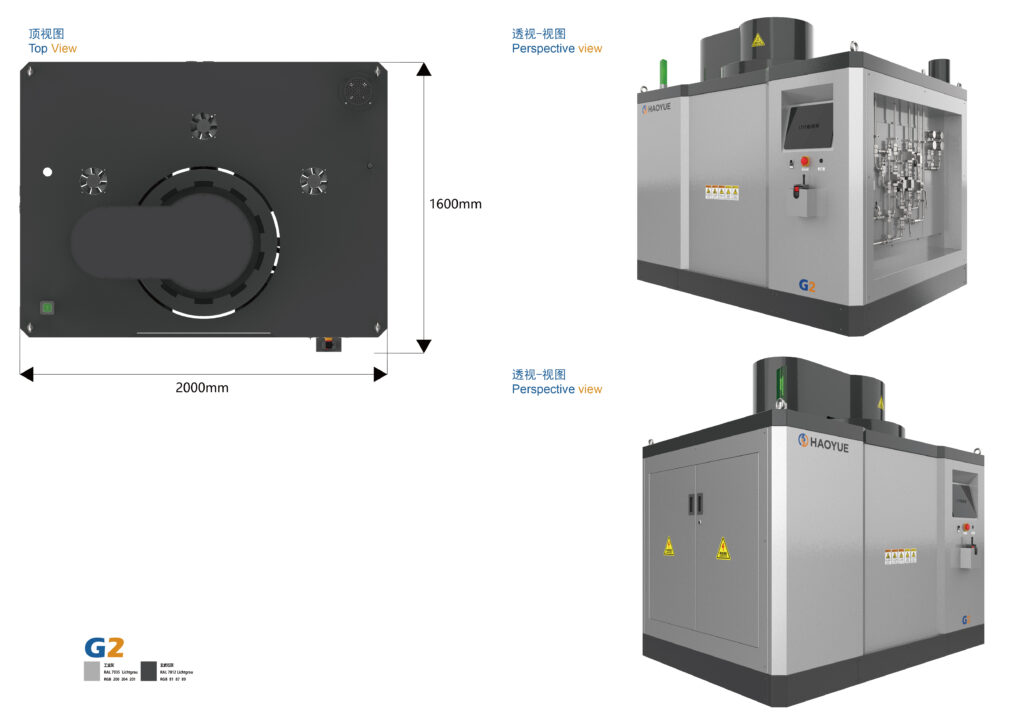
HAOYUE, as a leading vacuum furnace manufacturer, offers advanced ceramic sintering furnace solutions tailored for high-performance materials like zirconia and alumina. Our furnaces are designed with precision engineering to meet the stringent demands of advanced ceramic processing.
General Specifications:
- Maximum Temperature: Up to 2200°C (depending on heating elements: MoSi2, Graphite, Tungsten)
- Working Vacuum Level: Typically 10^-3 Pa to 10^-5 Pa, with options for ultra-high vacuum systems.
- Atmosphere Control: Capable of operating under vacuum, inert gases (Ar, N2), reducing atmospheres (H2), or partial pressure. Integrated gas purification systems.
- Heating Zones: Multi-zone heating elements for superior temperature uniformity (±1°C to ±3°C, depending on temperature and chamber size).
- Chamber Size: Customizable from laboratory scale (e.g., 1L) to industrial production units (e.g., 500L+).
- Heating Rate: Adjustable, typically 1-30°C/min, with options for rapid heating.
- Cooling Rate: Forced gas cooling (argon, nitrogen) at rates up to 30°C/min or higher for specific applications, ensuring controlled microstructure development.
- Control System: PLC-based control with HMI touchscreen interface, offering programmable temperature profiles, real-time data logging, alarm systems, and remote diagnostics.
- Safety Features: Comprehensive interlocks for vacuum, gas pressure, over-temperature, water flow, and power failure protection.
- Material Handling: Options for top-loading, front-loading, or bottom-loading designs with robust hearths capable of supporting heavy loads.
Real Overseas Project Cases
HAOYUE has successfully deployed numerous ceramic sintering furnace systems globally, demonstrating our capability to meet diverse industrial requirements.
Case Study 1: High-Density Zirconia for Dental Implants
A client in Germany, a leading manufacturer of dental prosthetics, required a ceramic sintering furnace capable of consistently producing high-density, defect-free Y-TZP zirconia components. HAOYUE supplied a custom-designed vacuum sintering furnace with precise multi-zone temperature control (±1°C at 1550°C) and an advanced programmable cooling system. The furnace featured a specialized moly-disilicide heating element configuration and robust insulation, ensuring excellent temperature uniformity and repeatable phase stabilization. The client reported a significant reduction in material defects and improved mechanical properties, meeting stringent medical device standards. The system’s automation also streamlined their production process, leading to increased throughput and reduced energy consumption.
Case Study 2: Transparent Alumina for Optical Applications
An optical ceramics research institute in Japan sought a ceramic sintering furnace that could achieve high transparency in polycrystalline alumina. This required sintering at extremely high temperatures (up to 1800°C) under a controlled hydrogen atmosphere to eliminate residual porosity and reduce light scattering. HAOYUE engineered a specialized vacuum-hydrogen furnace featuring high-purity graphite heating elements and advanced gas flow management. The furnace’s sophisticated control system allowed for precise control over hydrogen partial pressure and ramp/dwell cycles. The successful deployment enabled the institute to produce highly transparent alumina components with superior optical properties, opening new avenues for advanced optical and sensor applications. The safety features for hydrogen handling were a key consideration and were meticulously implemented and verified.
Frequently Asked Questions (FAQ)
What is the primary difference between sintering zirconia and alumina?
While both zirconia and alumina are high-performance ceramics, their sintering processes differ primarily in temperature requirements and sensitivity to phase transformations. Alumina typically requires higher sintering temperatures (often >1600°C) to achieve full densification, with a focus on controlling grain growth. Zirconia, especially stabilized zirconia, is sintered at slightly lower temperatures (around 1400-1550°C) but demands extremely precise control over heating and cooling rates to manage polymorphic phase transformations and prevent cracking or internal stresses.
Why is atmospheric control critical in a ceramic sintering furnace?
Atmospheric control is critical because the surrounding gas environment directly influences chemical reactions, mass transport mechanisms, and impurity removal during sintering. Vacuum environments facilitate the removal of binders and volatile impurities, promoting higher density. Inert gases prevent oxidation and contamination. Reducing atmospheres, like hydrogen, can be used to remove oxides or achieve specific microstructures, particularly for transparent ceramics. The wrong atmosphere can lead to incomplete densification, undesirable chemical changes, or mechanical defects.
Can a single furnace handle both zirconia and alumina?
Yes, many advanced ceramic sintering furnace systems are designed to handle both zirconia and alumina, provided they offer the necessary temperature range, atmospheric versatility (vacuum, inert, potentially reducing), and precise control capabilities. However, specific heating elements and insulation materials might be optimized for one material over the other. For instance, graphite elements are excellent for high-temperature vacuum/inert/reducing atmospheres suitable for both, while MoSi2 might be preferred for oxidizing atmospheres if that’s a requirement for other alumina variants. It’s crucial to discuss the specific material grades and desired properties with the industrial vacuum furnace supplier to ensure compatibility.
What maintenance is required for a ceramic sintering furnace?
Regular maintenance for a ceramic sintering furnace includes checking and replacing heating elements, inspecting and cleaning insulation, verifying thermocouple calibration, maintaining vacuum pumps, checking gas lines and seals for leaks, and ensuring the cooling system is functioning optimally. Software updates and calibration of control systems are also important. Adhering to the manufacturer’s recommended maintenance schedule is essential for maximizing furnace lifespan and ensuring consistent process performance.
How does an SPS furnace compare to a traditional ceramic sintering furnace?
An SPS furnace manufacturer offers a distinct densification method compared to a traditional ceramic sintering furnace. SPS (Spark Plasma Sintering) uses pulsed direct current and uniaxial pressure to achieve very rapid densification at significantly lower temperatures and shorter dwell times. This is particularly advantageous for retaining fine grain structures, preventing decomposition of sensitive materials, and sintering difficult-to-densify compounds. Traditional ceramic sintering relies on conventional heating and often longer dwell times, which can lead to grain growth. While SPS offers speed and microstructural control, it typically involves smaller sample sizes and is more complex for large-scale production compared to the volumetric capacity of conventional sintering furnaces.
The journey to selecting the optimal ceramic sintering furnace for high-performance zirconia and alumina is multifaceted, requiring a keen understanding of material science, process engineering, and equipment capabilities. By prioritizing features such as temperature uniformity, atmospheric control, robust heating and cooling systems, and advanced automation, procurement engineers can secure a furnace that not only meets current production demands but also supports future innovation. Engaging with an experienced ceramic sintering furnace manufacturer, like HAOYUE, provides access to invaluable expertise and tailored solutions, ensuring that the selected equipment is a strategic asset. The ultimate goal is to consistently achieve the desired density, microstructure, and mechanical properties that elevate the performance of advanced ceramic components, driving progress in various high-tech industries.
Related Products & Services
- Vacuum Sintering Furnace – Advanced sintering solutions from HaoYue Group.
- SPS Spark Plasma Sintering System – High-performance SPS solutions from HaoYue Group.
- SPS Spark Plasma Sintering System
Looking for high-quality vacuum furnace solutions? Contact HaoYue Group today.
Related Products & Services
- Vacuum Sintering Furnace – Advanced sintering solutions from HaoYue Group.
- SPS Spark Plasma Sintering System – High-performance SPS solutions from HaoYue Group.
- SPS Spark Plasma Sintering System
Looking for high-quality vacuum furnace solutions? Contact HaoYue Group for more information.
Related Products & Services
- Vacuum Sintering Furnace – Advanced sintering solutions from HaoYue Group.
- SPS Spark Plasma Sintering System
- SPS Spark Plasma Sintering System
Looking for high-quality vacuum furnace solutions? Contact HaoYue Group for more information.
Frequently Asked Questions
Why is precise temperature control crucial in zirconia sintering?
Precise temperature control is vital in zirconia sintering to manage its polymorphic transformations. Uncontrolled cooling can cause the tetragonal phase to convert to the monoclinic phase, leading to volume expansion and potential cracking. This control helps retain desired properties and prevent material weakening.
What role do stabilizing agents play in zirconia sintering?
Stabilizing agents, such as yttria (Y-TZP), are used to maintain the desirable tetragonal phase of zirconia at room temperature. They help prevent the phase transformation that can cause volume expansion and cracking, ensuring the material's strength, fracture toughness, and biocompatibility remain intact.
How does atmospheric control influence alumina sintering outcomes?
Atmospheric control during alumina sintering, such as using hydrogen or vacuum environments, can enhance densification and tailor microstructures. This control is crucial for achieving specific properties like high density and transparency, which are important for applications requiring optical clarity and mechanical strength.
What are the consequences of excessive grain growth in alumina sintering?
Excessive grain growth in alumina sintering can lead to reduced mechanical strength and transparency issues. Large grains compromise the material's structural integrity and optical clarity, which are critical for applications like electronic substrates and optical components.
Why is temperature uniformity important in ceramic sintering furnaces?
Temperature uniformity in ceramic sintering furnaces ensures homogeneous material properties by preventing hot and cold spots. This uniformity avoids uneven densification, differential shrinkage, and internal stresses, which could cause warpage, cracking, or inconsistent performance in sintered components.
What must be considered when selecting furnace materials for alumina sintering?
When selecting furnace materials for alumina sintering, it's important to consider potential reactions with alumina at elevated temperatures. The furnace design and materials should withstand high temperatures without reacting with alumina, ensuring reliable operation and high-quality sintering outcomes.