





In the intricate world of advanced materials manufacturing, the selection of the right equipment is paramount to achieving superior product quality and operational efficiency. For procurement engineers tasked with acquiring specialized thermal processing solutions, understanding the nuances of a vacuum sintering furnace is crucial. This comprehensive guide delves into the essential considerations for choosing a system capable of handling challenging materials like refractory metals and advanced ceramics, ensuring your investment yields optimal results for high-performance applications.
Understanding the Core of Vacuum Sintering
Sintering is a critical process where powdered materials are consolidated into a solid mass by heat and pressure, without liquefying to the point of total melting. Vacuum sintering elevates this process by conducting it in a controlled vacuum environment, which offers several distinct advantages. It prevents oxidation, removes impurities, and facilitates the densification of materials at lower temperatures, leading to enhanced mechanical properties, improved homogeneity, and reduced porosity. This makes it indispensable for components requiring exceptional strength, corrosion resistance, and specific electrical or thermal characteristics.
Why Vacuum Sintering is Essential for Advanced Materials
Refractory metals such as tungsten, molybdenum, and tantalum, along with advanced ceramics like silicon carbide, alumina, and zirconia, demand precise atmospheric control during sintering. These materials are highly reactive to oxygen at elevated temperatures, which can lead to embrittlement, poor densification, and compromised performance. A vacuum sintering furnace provides the inert or reducing atmosphere necessary to process these materials effectively, preserving their integrity and optimizing their intrinsic properties. For instance, in the production of high-density tungsten alloys or transparent ceramic components, vacuum conditions are non-negotiable for achieving the desired microstructure and optical clarity.
Key Considerations for Procurement: Choosing Your Vacuum Sintering Furnace
Selecting the ideal vacuum sintering furnace involves a deep dive into several technical specifications and operational requirements. Procurement engineers must evaluate these factors meticulously to ensure the furnace aligns with both current production needs and future material development.
Temperature Uniformity and Maximum Operating Temperature
For uniform material properties, precise and consistent temperature distribution within the hot zone is critical. Variations can lead to uneven densification, grain growth, and internal stresses, compromising the final product. High-quality furnaces employ advanced heating elements (e.g., graphite, molybdenum, tungsten) and insulation packages designed for exceptional thermal uniformity across the entire load. Furthermore, the maximum operating temperature must comfortably exceed the sintering temperatures required for your specific materials, often reaching upwards of 2200°C for refractory metals and certain ceramics.
Achievable Vacuum Levels and Pumping Speed
The ability to achieve and maintain high vacuum levels is fundamental. Furnaces capable of reaching vacuum levels down to 10-5 or 10-6 Torr are often necessary for removing volatile impurities and preventing reactions with residual gases. The pumping system’s speed and capacity are equally important, dictating how quickly the desired vacuum can be achieved and maintained throughout the sintering cycle. Considerations include the type of pumps (rotary vane, roots, diffusion, turbomolecular) and their configuration.
Atmosphere Control Capabilities
Beyond vacuum, many advanced sintering processes require controlled atmospheres, such as inert gases (argon, nitrogen) or reducing gases (hydrogen). A versatile vacuum sintering furnace should offer robust gas introduction and recirculation systems, along with safety features for handling flammable gases like hydrogen. This flexibility allows for a broader range of material processing capabilities and optimizes specific densification mechanisms.
Hot Zone Design and Material Compatibility
The hot zone, where sintering occurs, is a critical component. Its materials must withstand extreme temperatures, thermal cycling, and potential reactions with process gases or material vapors. Graphite is common for high-temperature applications, but for certain reactive metals or ceramics, molybdenum or tungsten hot zones might be preferred to avoid carbon contamination. The hot zone’s size and geometry should also accommodate your typical batch sizes and component dimensions efficiently.
Automation and Control Systems
Modern vacuum sintering furnaces feature sophisticated automation and control systems. These systems allow for precise programming of heating rates, soak times, cooling rates, vacuum levels, and gas flows. User-friendly interfaces, data logging capabilities, and remote monitoring options enhance operational efficiency, ensure reproducibility, and facilitate process optimization. Integration with existing factory automation systems can further streamline production.
Safety Features and Compliance
Operating high-temperature, high-vacuum equipment requires stringent safety protocols. A reputable vacuum furnace manufacturer will incorporate comprehensive safety features, including over-temperature protection, interlocks, emergency stop systems, and robust hydrogen safety measures if applicable. Compliance with international safety standards (e.g., CE, UL) is also a crucial consideration for global operations.
Partnering with an Experienced Vacuum Sintering Furnace Manufacturer
The complexity of vacuum sintering demands more than just off-the-shelf equipment. Partnering with an experienced vacuum sintering furnace manufacturer is vital. Such a manufacturer can offer tailored solutions, drawing on extensive expertise in material science and thermal engineering. They provide not only the furnace but also critical support in process development, installation, training, and ongoing maintenance. An industrial vacuum furnace supplier with a proven track record understands the specific challenges of advanced materials and can guide you through the selection process, ensuring the furnace meets your exact specifications and future growth needs.
The Role of a Comprehensive Industrial Vacuum Furnace Supplier
Beyond the initial purchase, the relationship with your industrial vacuum furnace supplier is crucial for long-term success. A reliable supplier offers comprehensive support, including spare parts availability, technical assistance, and upgrade options. They can also advise on related equipment, such as a vacuum heat treatment furnace manufacturer for post-sintering annealing or hardening processes, or even a vacuum brazing furnace manufacturer for joining complex assemblies. This holistic approach ensures seamless integration into your production line and maximizes your return on investment.
HAOYUE Furnace Technical Parameters and Real Overseas Project Cases
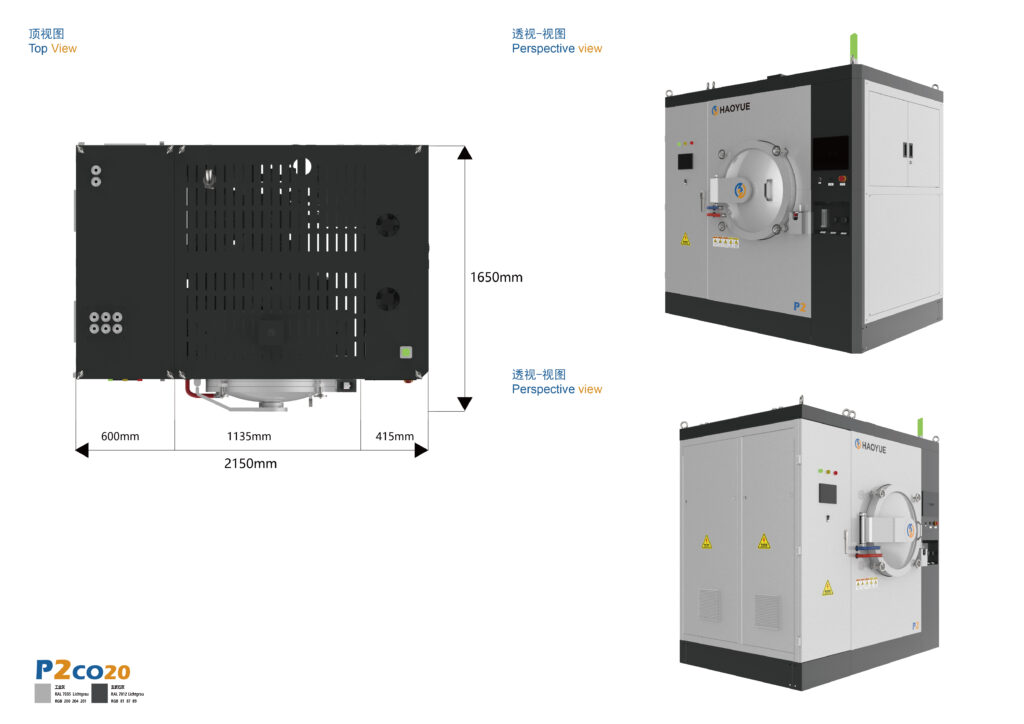
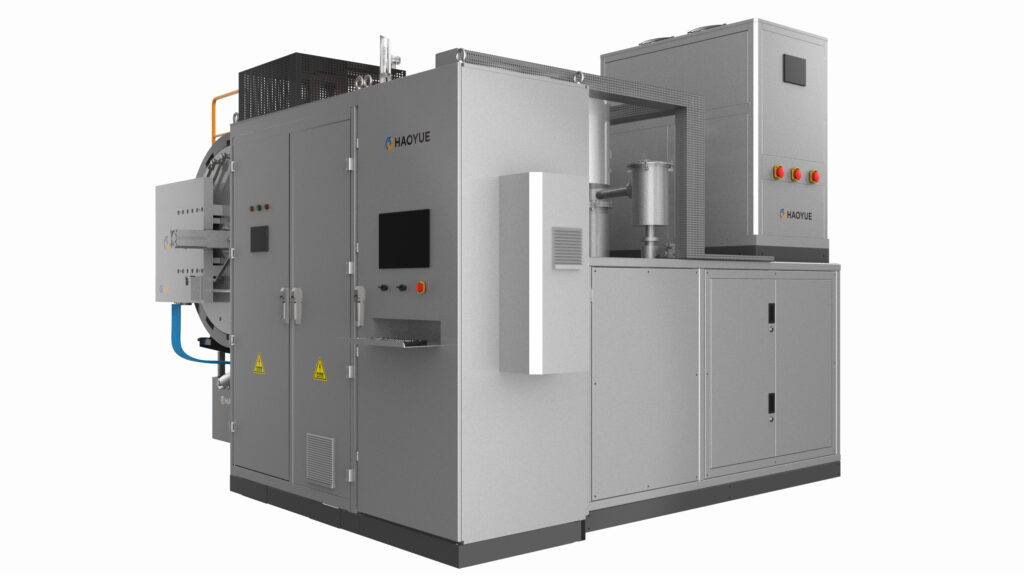
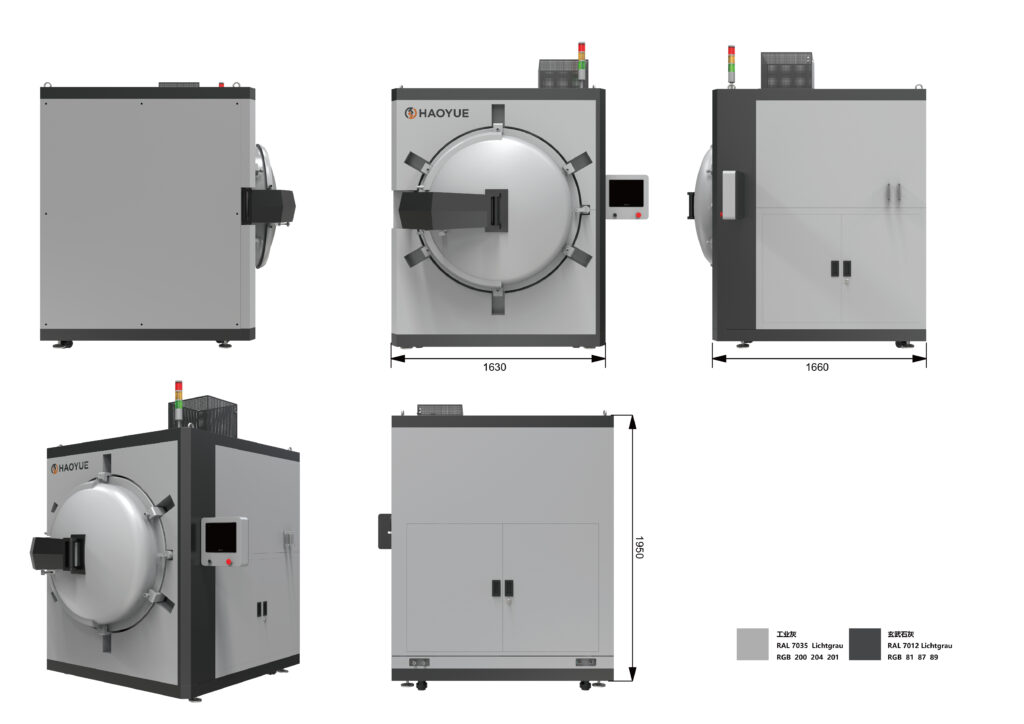
HAOYUE, as a leading vacuum sintering furnace manufacturer, offers a range of advanced vacuum sintering furnaces designed for high-performance applications. Our furnaces are engineered to meet the stringent demands of refractory metals, advanced ceramics, and other specialized materials, providing exceptional temperature uniformity, vacuum integrity, and process control.
Typical HAOYUE Vacuum Sintering Furnace Technical Parameters:
- Max Operating Temperature: Up to 2300°C (depending on model and hot zone materials)
- Working Vacuum Level: 10-3 Pa to 10-6 Pa (high vacuum)
- Heating Elements: Graphite, Molybdenum, or Tungsten (customizable)
- Insulation: Multi-layer graphite felt, carbon composite, or metallic screens
- Hot Zone Dimensions: Customizable, ranging from laboratory scale to large industrial production units (e.g., Φ300x300mm to Φ1000x1500mm and larger)
- Temperature Uniformity: ±5°C to ±10°C within the effective hot zone
- Pumping System: Combination of rotary vane pump, Roots pump, diffusion pump, or turbomolecular pump for fast pump-down and ultimate vacuum
- Atmosphere Options: Vacuum, inert gas (Ar, N2), partial pressure, hydrogen (H2) for reducing atmospheres, with safety interlocks
- Control System: PLC-based control with HMI touchscreen, capable of multi-segment programming, data logging, and remote monitoring.
- Cooling System: Internal or external forced gas cooling with high-efficiency heat exchangers for rapid cooling cycles.
Real Overseas Project Cases: HAOYUE’s Global Reach
HAOYUE has successfully deployed numerous vacuum sintering furnaces for diverse applications across the globe, solidifying our reputation as a trusted industrial vacuum furnace supplier.
- Case Study 1: High-Performance Tungsten Carbide Tools (Germany)
A leading German manufacturer of cutting tools required a large-capacity vacuum sintering furnace for consolidating tungsten carbide powders. HAOYUE delivered a furnace with a graphite hot zone, capable of reaching 1800°C with excellent temperature uniformity and a high-vacuum system (10-4 Pa). The furnace significantly improved the density and hardness of their carbide inserts, reducing post-processing steps and increasing tool lifespan. - Case Study 2: Advanced Ceramic Components for Aerospace (USA)
An American aerospace company sought a specialized furnace for sintering silicon nitride and silicon carbide components, demanding extreme temperature control and atmosphere purity. HAOYUE provided a custom-designed furnace featuring a molybdenum hot zone, capable of 2000°C, and precise partial pressure control with argon gas. This enabled the client to achieve highly dense, defect-free ceramic parts crucial for high-temperature engine applications. - Case Study 3: Refractory Metal Alloys for Medical Implants (Japan)
A Japanese medical device firm needed a reliable furnace for sintering titanium and tantalum alloys used in biocompatible implants. HAOYUE supplied a compact, high-vacuum furnace (10-5 Pa) with a tungsten hot zone, ensuring no carbon contamination and exceptional cleanliness. The furnace’s advanced control system allowed for precise control over the sintering profile, resulting in consistent, high-quality implant materials meeting stringent medical standards. - Case Study 4: Magnetic Materials for Electronics (South Korea)
A South Korean electronics giant required a versatile vacuum sintering furnace for producing rare-earth magnets. HAOYUE provided a medium-sized furnace with both vacuum and inert gas capabilities, reaching 1600°C. The system’s rapid cooling feature was particularly beneficial, allowing for optimized microstructure and magnetic properties, enhancing their product competitiveness.
Frequently Asked Questions (FAQ)
What is the typical lead time for a custom vacuum sintering furnace?
Lead times vary significantly based on the furnace’s complexity, size, and customization requirements. Standard models might have shorter lead times (e.g., 4-6 months), while highly customized systems can take 8-12 months or longer, including design, manufacturing, testing, and shipping. It’s crucial to discuss your specific timeline with the vacuum furnace manufacturer early in the procurement process.
How do I determine the correct hot zone material for my application?
The choice of hot zone material (graphite, molybdenum, tungsten) depends primarily on the maximum operating temperature, the materials being processed, and the desired atmosphere. Graphite is cost-effective for high temperatures in inert atmospheres but can react with some metals. Molybdenum and tungsten are suitable for even higher temperatures and offer superior purity, especially for reactive materials, but come at a higher cost. Your vacuum sintering furnace manufacturer can provide expert guidance based on your specific application.
What maintenance is required for a vacuum sintering furnace?
Regular maintenance includes checking and replacing heating elements and insulation, inspecting vacuum seals and pumps, calibrating temperature sensors, and cleaning the hot zone. The frequency depends on usage and process conditions. A comprehensive maintenance schedule provided by your industrial vacuum furnace supplier is essential to ensure long-term reliability and performance.
Can a vacuum sintering furnace also be used for other processes like heat treatment or brazing?
While primarily designed for sintering, many vacuum furnaces offer versatility. Depending on the specific design and temperature capabilities, they can often be adapted for vacuum heat treatment (e.g., annealing, hardening, tempering) or even vacuum brazing. However, dedicated furnaces for these processes, such as those from a vacuum heat treatment furnace manufacturer, might offer optimized features for specific applications. It’s best to discuss multi-purpose use with your supplier.
What kind of power requirements do these furnaces typically have?
Power requirements vary widely based on the furnace size, maximum temperature, and heating rates. Small laboratory furnaces might require tens of kilowatts, while large industrial production furnaces can demand hundreds of kilowatts or even megawatts. Three-phase power is standard, and specific voltage and frequency requirements must be compatible with your facility’s infrastructure. Detailed power specifications will be provided by the vacuum sintering furnace manufacturer.
The strategic procurement of a vacuum sintering furnace is a long-term investment that significantly impacts your ability to innovate and compete in the advanced materials market. By meticulously evaluating technical specifications, understanding material requirements, and forging a strong partnership with a knowledgeable vacuum sintering furnace manufacturer, procurement engineers can ensure they acquire a system that not only meets current production demands but also offers the flexibility and reliability to drive future advancements. The right furnace empowers manufacturers to push the boundaries of material science, delivering products with unparalleled performance and quality, ultimately solidifying their position at the forefront of technological innovation.
Related Products & Services
- Vacuum Sintering Furnace – Advanced sintering solutions from HaoYue Group.
- Vacuum Brazing Process Guide
- Vacuum Heat Treatment Process Guide
Looking for high-quality vacuum furnace solutions? Contact HaoYue Group today.
Related Products & Services
- Vacuum Sintering Furnace – Advanced sintering solutions from HaoYue Group.
- Vacuum Brazing Process Guide
- Vacuum Heat Treatment Process Guide
Looking for high-quality vacuum furnace solutions? Contact HaoYue Group for more information.
Related Products & Services
- Vacuum Sintering Furnace – Advanced sintering solutions from HaoYue Group.
- Vacuum Brazing Process Guide
- Vacuum Heat Treatment Process Guide
Looking for high-quality vacuum furnace solutions? Contact HaoYue Group for more information.
Frequently Asked Questions
What are the primary benefits of using a vacuum sintering furnace for advanced materials?
A vacuum sintering furnace prevents oxidation, removes impurities, and facilitates densification at lower temperatures. This process enhances mechanical properties, improves homogeneity, and reduces porosity, which is critical for achieving exceptional strength, corrosion resistance, and specific electrical or thermal characteristics in advanced materials.
Why is temperature uniformity important in a vacuum sintering furnace?
Temperature uniformity is crucial for ensuring consistent material properties throughout the sintering process. Variations in temperature can lead to uneven densification, grain growth, and internal stresses, which may compromise the quality and performance of the final product.
How does a vacuum sintering furnace handle refractory metals and advanced ceramics?
These materials require precise atmospheric control during sintering due to their high reactivity to oxygen at elevated temperatures. A vacuum sintering furnace provides the necessary inert or reducing atmosphere, preventing embrittlement and poor densification, thereby preserving material integrity and optimizing properties.
What factors should be considered regarding vacuum levels and pumping speed in a vacuum sintering furnace?
Achieving and maintaining high vacuum levels is essential for removing volatile impurities and preventing gas reactions. The pumping speed and capacity influence how quickly a vacuum can be achieved and maintained. The type and configuration of pumps, such as rotary vane, roots, diffusion, or turbomolecular, should be carefully evaluated.
Why is atmosphere control critical in some vacuum sintering processes?
Beyond vacuum conditions, some sintering processes require controlled atmospheres using inert or reducing gases. This control is crucial for optimizing specific material properties and ensuring safety during the process. A versatile furnace should have robust gas introduction and recirculation systems to accommodate these needs.