




Understanding the critical role of a CE certified sintering furnace is essential for modern industrial processes. This article will guide you through the significance of CE certification, the core functionalities of advanced sintering furnaces, and practical considerations for selection. You’ll gain insights into how these furnaces ensure both operational excellence and compliance with stringent European safety and environmental standards, crucial for global market access and worker safety.
Key Takeaways
- CE certification signifies compliance with EU health, safety, and environmental protection standards.
- Modern sintering furnaces offer precise temperature control and atmospheric environments for superior material properties.
- Selecting a CE certified furnace ensures product quality, operational safety, and market readiness.
- Intent-first purchasing focuses on material compatibility and process requirements.
Why Does CE Certification Matter for Sintering Furnaces?
CE marking on a sintering furnace is more than just a label; it’s a declaration by the manufacturer that the product meets the essential requirements of applicable European directives. This includes directives related to machinery safety, electromagnetic compatibility (EMC), and sometimes pressure equipment. For industries operating or selling within the European Economic Area (EEA), CE certification is mandatory, ensuring a baseline of quality and safety.
What Core Features Define a Modern Sintering Furnace?
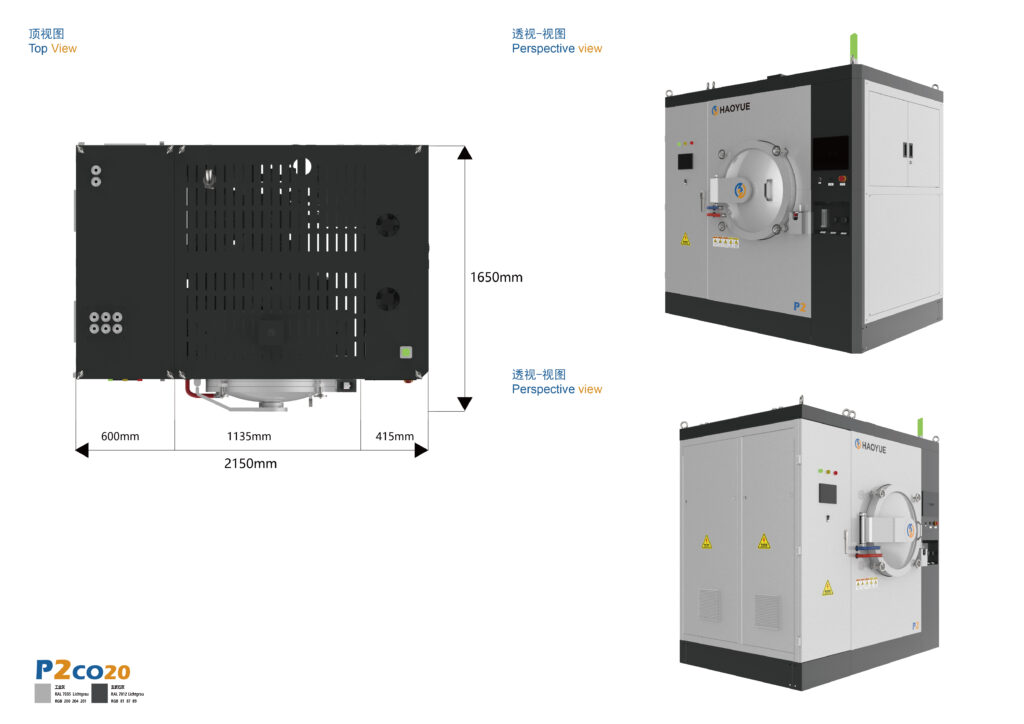
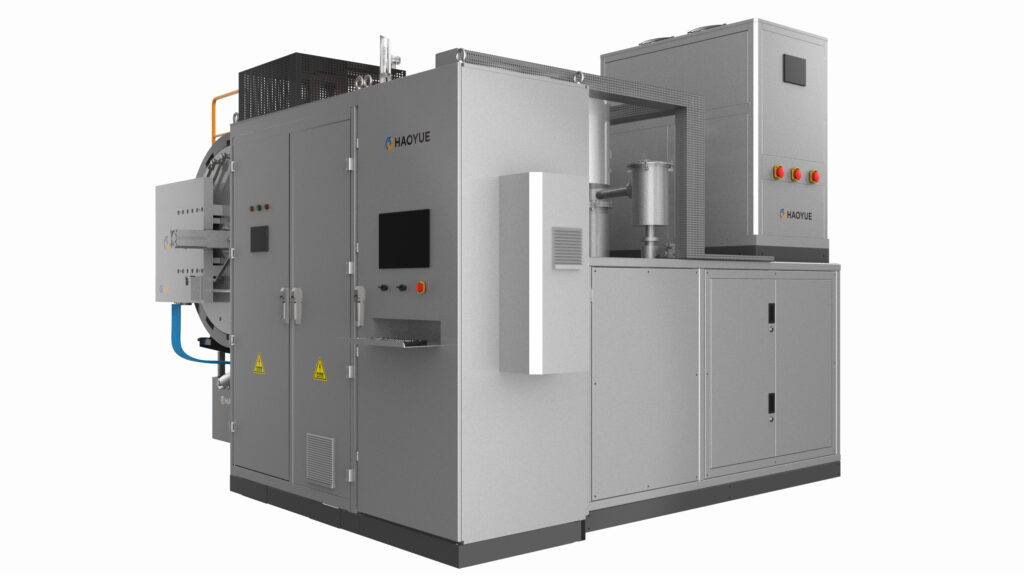
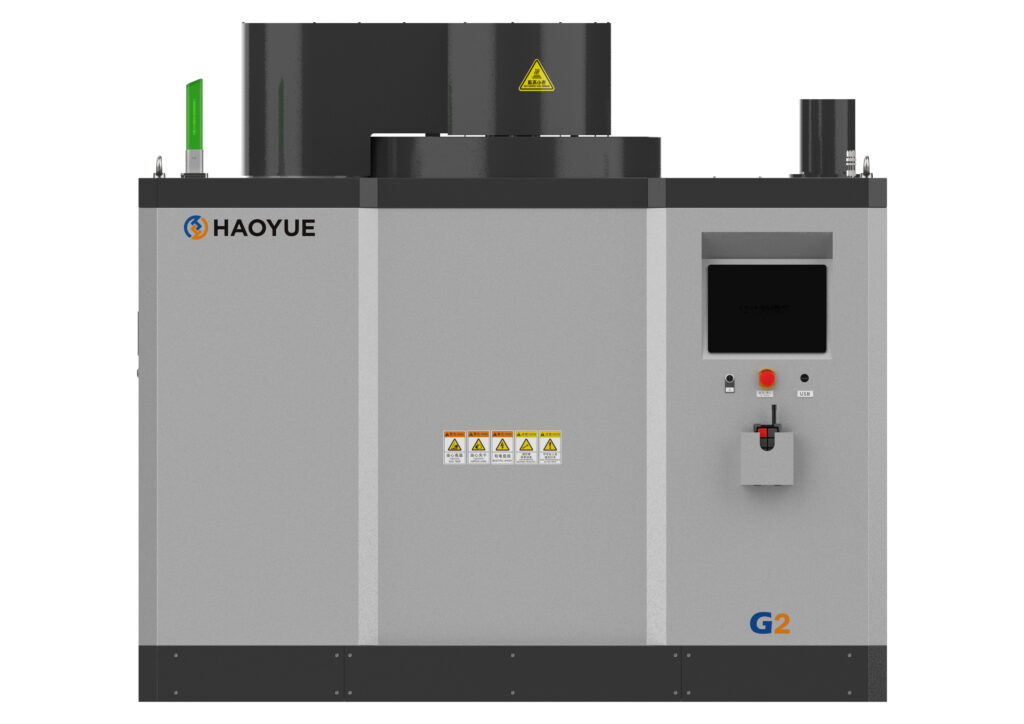
Contemporary sintering furnaces are engineered for precision and efficiency. Key features often include advanced temperature uniformity, programmable control systems, and various atmospheric options (vacuum, inert gas, reducing atmosphere). These capabilities allow for the precise thermal treatment of materials, from ceramics and metals to composites, optimizing their density, strength, and microstructure. For example, a vacuum sintering furnace can prevent oxidation and remove volatile binders, crucial for high-performance alloys.
Ensuring Compliance and Performance: The CE Standard
The process of obtaining CE certification involves rigorous testing and documentation, demonstrating adherence to harmonized standards. This robust verification process provides end-users with confidence in the furnace’s reliability and safety. For instance, compliance with the Machinery Directive 2006/42/EC ensures that the equipment poses no undue risk to operators during installation, operation, and maintenance. This commitment to safety is paramount in high-temperature industrial environments.
According to the European Commission, the CE marking indicates a product’s conformity with EU legislation, allowing its free movement within the European single market. This regulatory framework is designed to protect consumers and workers, while also fostering fair competition among manufacturers. You can learn more about the specifics of CE marking and its implications for industrial machinery on the official European Commission website.
How to Select the Right CE Certified Sintering Furnace for Your Needs?
When choosing a CE certified sintering furnace, prioritize your application’s specific requirements. Consider the types of materials to be processed, the desired temperature range, and the required atmosphere. Evaluate the furnace’s control system for precision and ease of use, as well as its energy efficiency. A thorough assessment of these factors ensures that your investment aligns with both your operational goals and regulatory obligations, leading to optimal material outcomes and a safe working environment.
Making an informed decision on a CE certified sintering furnace means balancing advanced technological features with proven safety and compliance standards. This approach not only enhances product quality and process efficiency but also mitigates potential risks and ensures seamless market access.
Related Products & Services
- Vacuum Sintering Furnace – Advanced sintering solutions from HaoYue Group.
Looking for high-quality vacuum furnace solutions? Contact HaoYue Group for more information.
Related Products & Services
- Vacuum Sintering Furnace – Advanced sintering solutions from HaoYue Group.
Looking for high-quality vacuum furnace solutions? Contact HaoYue Group for more information.
Frequently Asked Questions
What specific European directives are relevant for CE certification of sintering furnaces?
CE certification for sintering furnaces typically involves compliance with directives related to machinery safety, electromagnetic compatibility (EMC), and sometimes pressure equipment. These directives ensure that the furnace meets essential health, safety, and environmental protection standards set by the EU.
How does a vacuum sintering furnace enhance material properties?
A vacuum sintering furnace enhances material properties by preventing oxidation and removing volatile binders during the sintering process. This environment is crucial for processing high-performance alloys, as it optimizes the material's density, strength, and microstructure, leading to superior quality outcomes.
What are the benefits of programmable control systems in modern sintering furnaces?
Programmable control systems in sintering furnaces offer precise temperature management and customizable atmospheric conditions. This precision allows for tailored thermal treatments, optimizing material properties such as strength and density. It also enhances operational efficiency and consistency, crucial for high-quality production.
Why is CE certification mandatory for furnaces used within the EEA?
CE certification is mandatory within the European Economic Area (EEA) to ensure that products meet EU standards for health, safety, and environmental protection. This requirement facilitates the free movement of goods within the single market, ensuring consumer and worker safety and promoting fair competition among manufacturers.
What factors should be considered when evaluating the energy efficiency of a sintering furnace?
When evaluating energy efficiency, consider the furnace's design, insulation quality, and control system capabilities. Efficient temperature regulation and minimal heat loss are key factors. Also, assess the furnace's energy consumption relative to its operational capacity to ensure it meets both performance and sustainability goals.
How does CE certification impact global market access for sintering furnaces?
CE certification impacts global market access by ensuring compliance with EU standards, thereby allowing products to be sold within the European Economic Area. This certification acts as a mark of quality and safety, enhancing a product’s credibility and facilitating entry into other international markets that recognize CE standards.