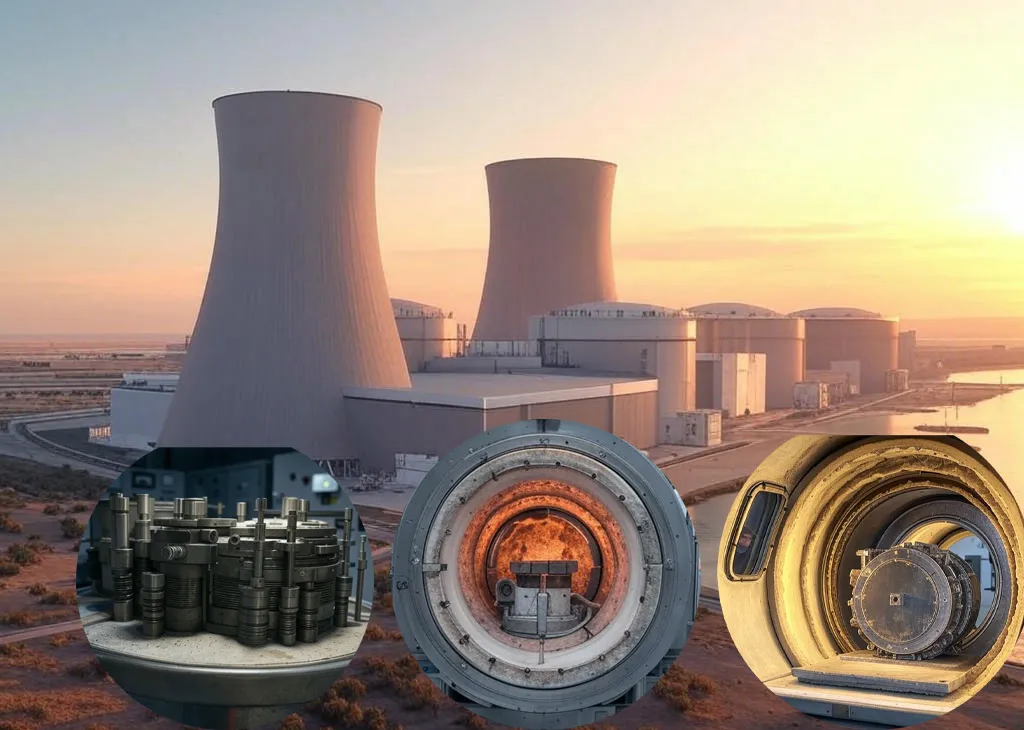






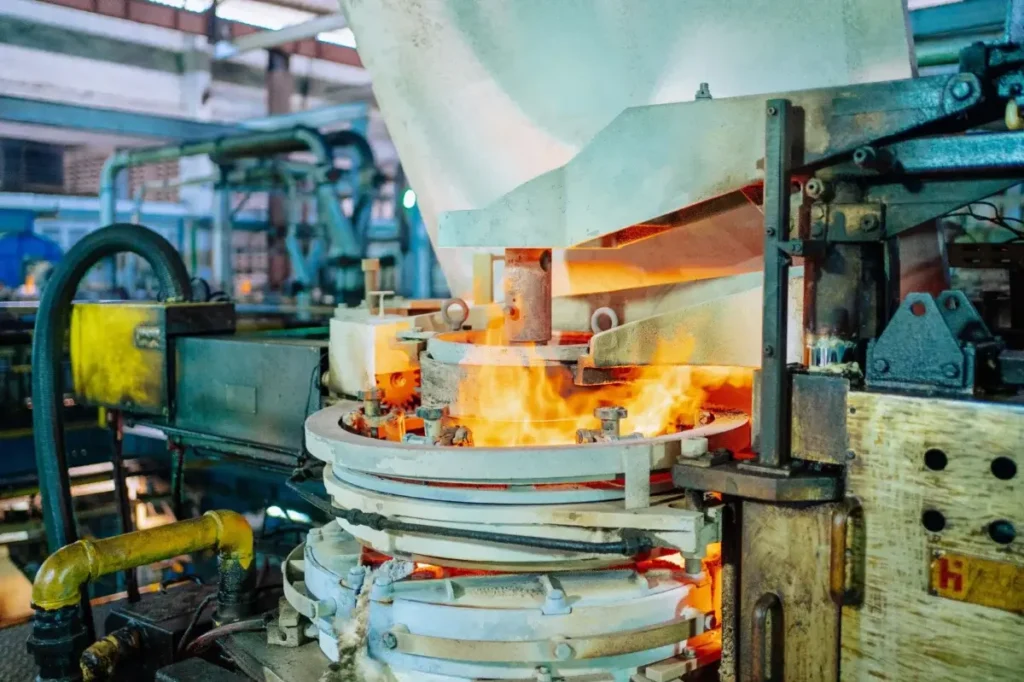
In the realm of advanced materials processing, the vacuum hot press sintering furnace stands as a cornerstone technology, enabling the creation of high-performance components with unparalleled material properties. This sophisticated industrial equipment is designed to densify powdered materials under conditions of high temperature, controlled atmosphere (vacuum), and uniaxial or isostatic pressure. The synergy of these parameters facilitates the removal of porosity, enhances grain growth control, and improves the overall mechanical, electrical, and thermal characteristics of the final product. As industries globally push the boundaries of material science, the demand for such precise and powerful sintering solutions continues to escalate, driven by the need for superior strength, increased hardness, wear resistance, and high-purity compositions in critical applications.
The market demand for vacuum hot press sintering furnaces is robust and expanding, fueled by advancements in sectors requiring cutting-edge materials. Industries such as aerospace, medical device manufacturing, automotive, electronics, and tool production are constantly seeking materials that can withstand extreme conditions, offer extended lifespans, and provide enhanced functionality. Conventional sintering methods often fall short in achieving the desired purity and densification, especially for exotic alloys, ceramics, and composite materials. The vacuum environment prevents oxidation and contamination, while the applied pressure aids in achieving near-theoretical density at lower temperatures or shorter durations, making the vacuum hot press sintering furnace an indispensable asset for modern manufacturing and research.
Parameter Comparison Table: Vacuum Hot Press Sintering Furnace
Choosing the right industrial sintering equipment requires a thorough understanding of its operational parameters. The following table provides a comparative overview of typical specifications for different capacities and performance levels of vacuum hot press sintering furnaces, highlighting key features:
| Parameter | Entry-Level Model | Mid-Range Industrial Model | High-Performance Industrial Model |
|---|---|---|---|
| Working Temperature | Up to 1600°C | Up to 2200°C | Up to 2500°C |
| Vacuum Degree | 10⁻³ Pa | 10⁻⁴ Pa | 10⁻⁵ Pa and lower |
| Chamber Volume | 0.05 m³ | 0.2 m³ | 0.5 m³ or larger |
| Heating Material | Graphite, Molybdenum | Graphite, Tungsten, Tantalum | Tungsten, Tantalum |
| Power Consumption | 20-50 kW | 80-150 kW | 200-400 kW |
Multi-Industry Application Scene Analysis
The versatility and precision offered by a high temperature vacuum furnace make it indispensable across a multitude of advanced industrial applications:
- Aerospace & Defense: Manufacturing of high-performance ceramic matrix composites (CMCs), superalloys for turbine blades, and lightweight, high-strength structural components. These materials demand exceptional thermal stability and mechanical integrity at extreme temperatures, making vacuum hot pressing ideal.
- Medical Devices: Production of biocompatible implants (e.g., titanium alloys, zirconia ceramics), surgical instruments, and prosthetic components. The ability to achieve high purity and precise microstructure is crucial for patient safety and device longevity.
- Electronics & Semiconductors: Fabrication of advanced electronic packaging, high-density interconnects, and sensor materials. Vacuum sintering ensures minimal contamination and superior electrical properties for sensitive components.
- Automotive Industry: Development of wear-resistant engine components, braking systems, and lightweight structural parts. As electric vehicles and autonomous driving technologies evolve, the demand for new materials with enhanced performance characteristics grows.
- Tooling & Dies: Creation of cemented carbides, hard metals, and ceramic cutting tools that require extreme hardness, wear resistance, and toughness for machining and forming applications.
- Research & Development: Essential for material scientists and engineers to prototype novel materials, explore new processing parameters, and conduct fundamental research on advanced ceramics, metals, and composites.
Frequently Asked Questions (FAQ) about Vacuum Hot Press Sintering Furnaces
What is the primary benefit of a vacuum hot press sintering furnace over conventional methods?
The primary benefit is the ability to achieve superior material densification and purity by combining high temperature, vacuum, and applied pressure. This process effectively eliminates pores, prevents oxidation and contamination, and enhances mechanical properties like strength, hardness, and wear resistance, which are difficult to attain with conventional pressure-less sintering or atmospheric methods.
What materials can be processed in a vacuum hot press sintering furnace?
A wide range of advanced materials can be processed, including ceramics (e.g., AlN, SiC, ZrO2), refractory metals and their alloys (e.g., tungsten, molybdenum, tantalum), hard metals (cemented carbides), superalloys, and various composite materials. The furnace is particularly effective for materials that are difficult to densify or are sensitive to atmospheric impurities.
How does the vacuum degree impact the sintering process?
The vacuum degree is critical for preventing oxidation and removing gaseous impurities from the material during heating. A higher vacuum (lower pressure) ensures a cleaner processing environment, which is essential for achieving high purity and optimal material properties, especially for reactive metals and ceramics that can easily form oxides or nitrides.
What are the key considerations when choosing an industrial sintering equipment?
Key considerations include the maximum working temperature and vacuum level required, chamber volume to accommodate desired part sizes and throughput, the type of heating element suitable for the materials being processed, power consumption, control system sophistication, and safety features. Future material processing needs and scalability should also be factored in.
What maintenance is required for a high temperature vacuum furnace?
Regular maintenance for a high temperature vacuum furnace includes inspecting and cleaning the vacuum pump system, checking heating elements and insulation for wear, calibrating temperature and pressure sensors, and ensuring the integrity of the vacuum chamber seals. Adhering to a manufacturer-recommended maintenance schedule is crucial for operational longevity and consistent performance.
Related Products & Services
- Vacuum Sintering Furnace – Advanced sintering solutions from HaoYue Group.
- Vacuum Hot Press Furnace
Looking for high-quality vacuum furnace solutions? Contact HaoYue Group for more information.
Related Products & Services
- Vacuum Sintering Furnace – Advanced sintering solutions from HaoYue Group.
- Vacuum Hot Press Furnace
Looking for high-quality vacuum furnace solutions? Contact HaoYue Group for more information.
Frequently Asked Questions
What are the key advantages of using a vacuum hot press sintering furnace over conventional sintering methods?
The vacuum hot press sintering furnace offers superior material densification, grain growth control, and removal of porosity. It achieves near-theoretical density at lower temperatures, prevents oxidation and contamination, and is ideal for exotic alloys and composites, making it more effective for high-performance applications.
How does the vacuum environment in a hot press sintering furnace benefit material processing?
The vacuum environment prevents oxidation and contamination, crucial for maintaining the purity of materials. It allows for the sintering of materials with sensitive compositions, ensuring that the final products have enhanced mechanical, electrical, and thermal properties.
In which industries is the vacuum hot press sintering furnace most critically used and why?
Industries such as aerospace, medical device manufacturing, electronics, and automotive heavily rely on this technology. It produces materials with superior strength, wear resistance, and high-purity compositions necessary for components that must perform under extreme conditions and offer extended lifespans.
What are the typical specifications to consider when choosing a vacuum hot press sintering furnace?
Key specifications include working temperature (up to 2500°C for high-performance models), vacuum degree (down to 10⁻⁵ Pa), chamber volume (up to 0.5 m³ or larger), heating material (like tungsten or tantalum), and power consumption (200-400 kW for high-performance models).
Why is the vacuum hot press sintering furnace essential for manufacturing medical devices?
The furnace ensures high purity and precise microstructure, critical for biocompatible implants like titanium alloys and zirconia ceramics. These qualities are vital for patient safety and the longevity of surgical instruments and prosthetic components.
What role does the vacuum hot press sintering furnace play in the automotive industry?
It aids in developing wear-resistant engine components and braking systems. The furnace's ability to achieve high density and purity ensures these components can withstand extreme conditions and have enhanced durability, crucial for automotive performance and safety.