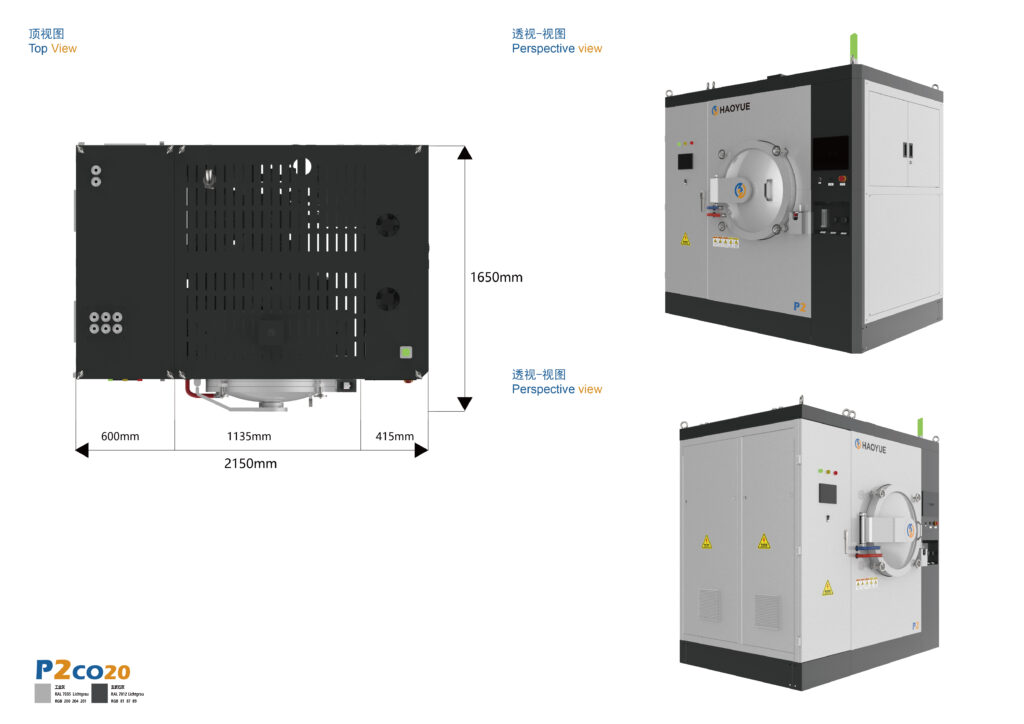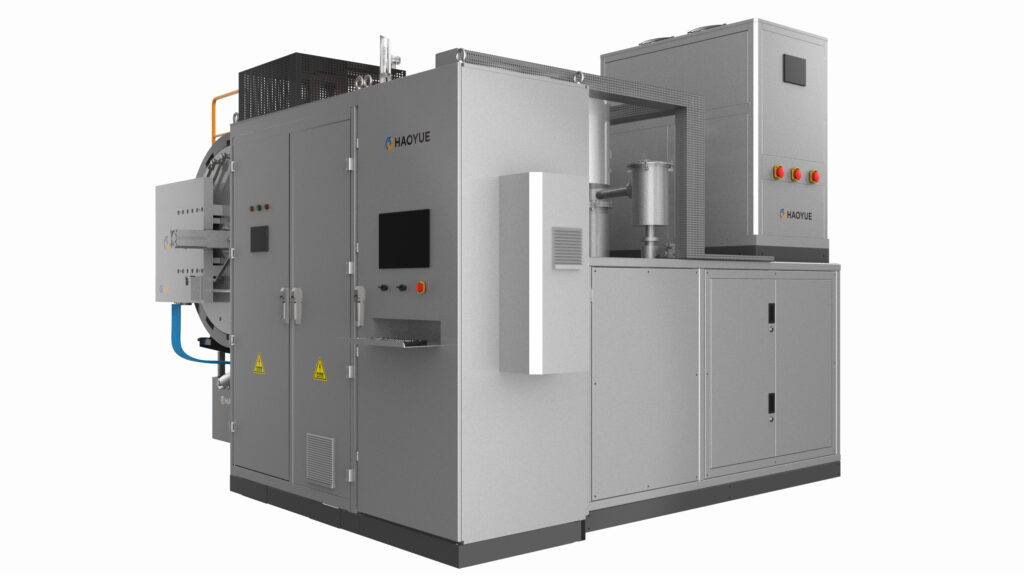






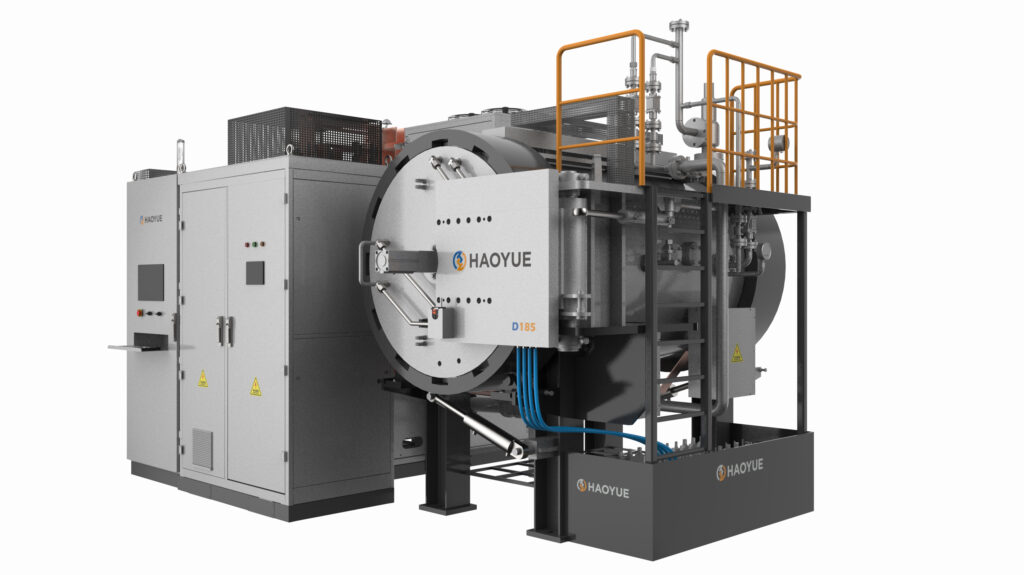
The production of high-performance cutting tools and wear-resistant components relies heavily on advanced material processing techniques, with the  Carbide Sintering Furnace standing as an indispensable technology. This specialized equipment is at the heart of powder metallurgy, transforming fine carbide powders into robust, dense, and durable parts. By precisely controlling temperature, atmosphere, and time, these furnaces facilitate critical processes like liquid phase sintering and vacuum sintering, significantly enhancing material strength and longevity for a myriad of industrial applications. Procurement engineers seeking to optimize their material processing capabilities should look to a vacuum sintering furnace manufacturer for their specific needs, while also considering a broader vacuum furnace manufacturer for overall material processing and an industrial vacuum furnace supplier for comprehensive equipment solutions.
The Indispensable Role of a Carbide Sintering Furnace in Modern Manufacturing
Modern industrial demands for materials that can withstand extreme conditions – high temperatures, abrasive wear, and intense mechanical stress – have pushed the boundaries of material science. Cemented carbides, primarily tungsten carbide (WC) combined with a binder metal like cobalt (Co), represent a pinnacle in this quest. These materials offer an unparalleled combination of hardness, strength, and toughness, making them ideal for applications ranging from high-speed machining to heavy-duty mining. The journey from fine powder to a finished, high-performance carbide component is complex, and at its core is the sintering process, meticulously executed within a specialized carbide sintering furnace.
The efficacy of a carbide sintering furnace lies in its ability to create an environment where these powders can consolidate without melting to a liquid phase, achieving near full density and optimal microstructure. This process is not merely about heating; it’s about precise control over a multitude of parameters that dictate the final properties of the material. The right furnace, designed specifically for carbides, ensures that the delicate balance between grain growth, binder distribution, and porosity reduction is maintained, leading to components that meet the stringent demands of modern industry.
Understanding Cemented Carbides and Their Unique Properties
Cemented carbides are composite materials where hard carbide particles (most commonly tungsten carbide) are embedded in a softer, tougher metallic binder matrix, typically cobalt or nickel. This unique combination provides properties superior to either constituent alone. Tungsten carbide itself is extremely hard and wear-resistant, but also brittle. The binder phase adds much-needed toughness and ductility, allowing the material to absorb energy and resist fracture.
The ratio of carbide to binder, the grain size of the carbide particles, and the sintering conditions all play a crucial role in determining the final properties of the cemented carbide. For instance, higher binder content generally increases toughness but reduces hardness, while finer grain sizes can enhance both hardness and wear resistance. Understanding these fundamental material characteristics is paramount for engineers and manufacturers striving to select and process the right carbide grade for their specific application.
The Science Behind Sintering: Crafting Superior Carbides
Sintering is a thermal treatment process that compacts and forms a solid mass of material by heat or pressure without melting it to the point of liquefaction. In the context of powder metallurgy, it’s the critical step that transforms a ‘green compact’ (a pressed powder shape) into a dense, strong, and functional component. For carbides, the sintering process is particularly complex due to the high melting points of the carbide phases and the need to achieve specific microstructural properties.
The primary goal of sintering carbides is to achieve high density, minimize porosity, and optimize the microstructure, including grain size and binder distribution. This typically involves heating the compact to temperatures just below the melting point of the binder metal, allowing it to become liquid and facilitate particle rearrangement and diffusion. The careful control of temperature ramp rates, hold times, and cooling rates within the carbide sintering furnace is vital to prevent defects and ensure the desired material characteristics.
Liquid Phase Sintering: Achieving Optimal Density and Strength
Liquid phase sintering is the predominant method for producing cemented carbides. During this process, the binder metal (e.g., cobalt) melts at a temperature significantly lower than the carbide particles (e.g., tungsten carbide). The liquid binder then acts as a solvent for the carbide particles, facilitating their rearrangement, dissolution, and reprecipitation. This mechanism allows for rapid densification, as the liquid phase fills the pores between the solid carbide grains, drawing them closer together through capillary forces.
The advantages of liquid phase sintering are numerous: it enables the production of parts with very high density (often approaching theoretical density), excellent mechanical properties, and a fine, uniform microstructure. The careful selection of binder content and sintering temperature is crucial to control the amount of liquid phase and prevent undesirable phenomena like abnormal grain growth or binder exudation, which can negatively impact the material’s performance. A well-designed carbide sintering furnace ensures precise temperature profiling essential for this delicate balance.
The Precision of Vacuum Sintering for Carbides
While liquid phase sintering provides the mechanism for densification, performing this process under vacuum conditions offers significant advantages, making vacuum sintering the preferred method for high-quality carbide production. A vacuum environment effectively removes oxygen and other atmospheric contaminants that could react with the carbide or binder material, leading to undesirable oxides or carbides that degrade mechanical properties. Furthermore, vacuum helps to remove residual pressing lubricants and other volatile impurities from the green compact, preventing pore formation and ensuring a cleaner, denser final product.
The use of a vacuum sintering furnace also allows for precise control over the partial pressures of various gases if a specific atmosphere (e.g., hydrogen for decarburization or argon for inertness) is required during different stages of the sintering cycle. This level of environmental control is critical for tailoring the carbon content of the cemented carbide, which directly impacts its hardness, toughness, and corrosion resistance. The ability to achieve high vacuum levels and maintain them throughout the sintering cycle is a hallmark of an advanced carbide sintering furnace.
Advanced Carbide Sintering Furnace Technology for Performance
The demands of modern carbide production necessitate furnaces that are not only robust but also highly sophisticated. An advanced carbide sintering furnace is engineered to handle extremely high temperatures, maintain ultra-high vacuum levels, and provide exceptional temperature uniformity across the hot zone. These furnaces are typically batch-type, allowing for precise control over each sintering cycle, though continuous vacuum furnaces exist for specific high-volume applications.
The design of such a furnace incorporates several critical components: a robust heating element system (often graphite or molybdenum for high temperatures), an efficient vacuum pumping system (roughing and high-vacuum pumps), advanced temperature measurement and control systems, and often gas management systems for partial pressure sintering or controlled cooling. The goal is to provide a highly reproducible process that consistently yields parts with superior properties, minimizing variations and defects. The expertise of a specialized vacuum sintering furnace manufacturer is paramount in designing and supplying such high-precision equipment.
Key Features of a High-Performance Carbide Sintering Furnace
- High Temperature Capability: Must reach and sustain temperatures typically between 1350°C and 1600°C for WC-Co carbides.
- Ultra-High Vacuum System: Capable of achieving vacuum levels down to 10-3 to 10-5 mbar to ensure purity and effective binder removal.
- Temperature Uniformity: Critical for consistent material properties, often achieved through multi-zone heating and advanced insulation.
- Rapid Cooling: Integrated gas quenching systems (e.g., with argon or nitrogen) to quickly cool parts, preventing undesirable microstructural changes and improving throughput.
- Advanced Control Systems: PLC-based systems for precise control of temperature profiles, vacuum levels, gas flow, and safety interlocks.
- Debinding Capabilities: Often integrated into the sintering furnace (Sinter-HIP furnaces) or as a preceding step to remove organic binders before high-temperature sintering.
Transforming Industries: Applications of Sintered Carbides
The superior properties imparted by precise sintering within a carbide sintering furnace make cemented carbides indispensable across a wide range of industries. From manufacturing and construction to mining and aerospace, these materials offer solutions where conventional metals fail to meet performance requirements. Their ability to withstand extreme conditions translates into longer tool life, reduced downtime, and improved efficiency for critical operations.
The continued innovation in carbide materials and sintering technology is directly driven by the ever-increasing demands for higher productivity, greater precision, and enhanced durability in industrial processes. As such, the role of a reliable carbide sintering furnace cannot be overstated in enabling these advancements.
Carbide Cutting Tools: The Edge of Innovation
Perhaps the most recognized application of cemented carbides is in cutting tools. Inserts for milling, turning, drilling, reaming, and specialized tooling for various machining operations all leverage the extreme hardness and wear resistance of sintered carbides. Tools made from these materials can operate at higher speeds and feeds, leading to significantly increased productivity and reduced cycle times compared to high-speed steel tools.
The microstructure achieved through the carbide sintering furnace directly impacts the tool’s performance, including its edge retention, resistance to crater wear, and ability to dissipate heat. Different grades of cemented carbides, varying in grain size and binder content, are tailored for specific applications, from roughing operations on tough alloys to finishing passes on delicate materials, showcasing the versatility enabled by precise sintering.
Wear Parts: Durability in Demanding Environments
Beyond cutting tools, sintered carbides are extensively used in wear parts where components are subjected to severe abrasion, erosion, or impact. Examples include mining bits, rock drilling tools, nozzles for abrasive blasting, components for pumps and valves, dies for metal forming, and various seals and bearings. In these applications, the longevity and reliability of carbide parts significantly reduce maintenance costs and operational downtime.
The ability of a carbide sintering furnace to produce parts with high density and a uniform, fine-grained microstructure is crucial for maximizing the wear resistance and toughness required for these demanding applications. The investment in high-quality sintered carbide wear parts pays dividends through extended service life and improved operational efficiency in harsh industrial settings.
Ensuring Quality and Longevity: Process Control in Carbide Sintering
The quality and performance of sintered carbide components are directly linked to the precision and control exercised during the sintering process. Any deviation in temperature, vacuum level, or atmosphere can lead to critical defects such as porosity, abnormal grain growth, binder pool formation, or undesirable phase transformations. These defects can severely compromise the hardness, toughness, and overall integrity of the final product.
Therefore, robust process control systems are integral to any state-of-the-art carbide sintering furnace. This includes sophisticated sensors for temperature and pressure, advanced programmable logic controllers (PLCs) for executing complex sintering recipes, and data logging capabilities for process traceability and quality assurance. The continuous monitoring and adjustment of process parameters ensure that each batch of carbide components meets the exact specifications required for its intended application.
The Critical Contribution of a Vacuum Furnace Manufacturer
While a specialized carbide sintering furnace is essential, the broader expertise of a vacuum furnace manufacturer is often invaluable. These manufacturers possess a deep understanding of vacuum technology, high-temperature heating, and process control applicable across a spectrum of materials and applications. This comprehensive knowledge allows them to design and build not only dedicated carbide sintering furnaces but also other vital equipment such as vacuum heat treatment furnace manufacturer or vacuum brazing furnace manufacturer, ensuring a holistic approach to material processing.
Furthermore, working with an experienced industrial vacuum furnace supplier provides access to a wider range of solutions, including customized furnace designs, after-sales support, and spare parts. Their ability to integrate various vacuum technologies and process knowledge into a single solution is a significant asset for companies aiming for optimal material performance and operational efficiency.
HAOYUE Furnace Technical Parameters
HAOYUE, a leading vacuum sintering furnace manufacturer, offers advanced carbide sintering furnaces designed for superior performance and reliability. Typical technical parameters for a HAOYUE carbide sintering furnace include:
- Max. Operating Temperature: Up to 1600°C (customizable for specific carbide grades).
- Working Vacuum Degree: 6.7×10⁻³ Pa (high vacuum) or better.
- Pressure Rise Rate: ≤ 0.8 Pa/h (ensuring excellent vacuum integrity).
- Temperature Uniformity: ±5°C within the effective hot zone.
- Heating Elements: High-purity graphite or molybdenum, optimized for longevity and uniform heating.
- Insulation: Multi-layer graphite felt or metal shielding for superior thermal efficiency.
- Cooling System: High-efficiency internal or external gas quenching system (e.g., 5-10 bar inert gas) for rapid cooling rates.
- Control System: Siemens PLC with HMI interface, providing fully automatic control, data logging, and alarm functions.
- Process Gases: Argon, Nitrogen, Hydrogen (optional for specific processes).
- Furnace Volume: Available in various capacities, from laboratory scale to large industrial production units (e.g., 50L to 1000L).
Real Overseas Project Cases
HAOYUE has successfully deployed numerous carbide sintering furnaces globally, supporting the production of high-performance cutting tools and wear parts for diverse industries. One notable project involved supplying a large-capacity vacuum sintering furnace to a prominent cutting tool manufacturer in Germany. This furnace, designed for high throughput and exceptional temperature uniformity, enabled the client to significantly improve the quality and consistency of their cemented carbide inserts, leading to increased market share and reduced production costs. The client reported a remarkable reduction in porosity levels and enhanced mechanical properties in their sintered products, directly attributing these improvements to the HAOYUE furnace’s advanced control systems and robust design.
Another successful implementation was for a mining tool producer in South Africa, where HAOYUE provided a specialized carbide sintering furnace with integrated debinding and high-pressure sintering capabilities (Sinter-HIP). This allowed the client to produce complex mining bits with superior density and toughness, crucial for operations in harsh geological conditions. The furnace’s ability to achieve high vacuum and precise temperature profiles ensured optimal binder removal and densification, extending the lifespan of their tools by over 25% compared to previous methods, demonstrating the tangible benefits of investing in a high-quality carbide sintering furnace.
Frequently Asked Questions (FAQ)
What is the primary purpose of a carbide sintering furnace?
The primary purpose of a carbide sintering furnace is to consolidate fine carbide powders, typically tungsten carbide with a metallic binder like cobalt, into dense, strong, and durable components. It achieves this by heating the compacted powders to high temperatures under controlled atmospheric conditions (often vacuum or inert gas), causing the particles to bond and densify without fully melting.
How does liquid phase sintering differ from solid-state sintering for carbides?
In liquid phase sintering, a binder metal (e.g., cobalt) melts during the process, forming a liquid phase that wets the solid carbide particles. This liquid phase facilitates rapid densification by allowing particle rearrangement, dissolution, and reprecipitation. Solid-state sintering, by contrast, occurs entirely below the melting point of all constituents, relying solely on atomic diffusion for densification, which is generally slower and may result in lower densities for carbides.
Why is vacuum crucial in carbide sintering?
Vacuum is crucial in carbide sintering for several reasons: it prevents oxidation of the carbide and binder materials, removes residual pressing lubricants and volatile impurities from the green compact, and helps control the carbon content of the cemented carbide. A clean, oxygen-free environment ensures a higher purity product with superior mechanical properties and minimizes defect formation.
What are the main advantages of using cemented carbides in cutting tools?
Cemented carbides offer exceptional hardness, wear resistance, and high-temperature strength, making them ideal for cutting tools. These properties allow tools to operate at higher speeds and feeds, extend tool life, maintain sharp cutting edges longer, and achieve better surface finishes, ultimately leading to increased productivity and reduced manufacturing costs.
Can a carbide sintering furnace be used for other materials?
While optimized for carbides, many advanced vacuum sintering furnaces, especially those from a versatile vacuum furnace manufacturer, can be adapted for sintering other advanced materials like ceramics, cermets, or certain metal alloys, provided their specific temperature and atmosphere requirements fall within the furnace’s capabilities. However, specific design features, heating elements, and insulation might be tailored for carbide processing, making a dedicated carbide sintering furnace the most efficient choice for optimal results.
The continuous evolution in materials science and engineering ensures that the demand for high-performance components will only grow. At the forefront of meeting this demand is the specialized carbide sintering furnace, a testament to precision engineering and advanced thermal processing. Its role in transforming raw powders into the robust, intricate parts that power our industries underscores its critical importance. As manufacturers push the boundaries of what’s possible, the technology within these furnaces will continue to adapt and innovate, ensuring that the essential tools and wear parts of tomorrow are even stronger, more durable, and more efficient than those of today.
Related Products & Services
- Vacuum Sintering Furnace – Advanced sintering solutions from HaoYue Group.
- Vacuum Brazing Process Guide
- Vacuum Heat Treatment Process Guide
Looking for high-quality vacuum furnace solutions? Contact HaoYue Group today.
Related Products & Services
- Vacuum Sintering Furnace – Advanced sintering solutions from HaoYue Group.
- Vacuum Brazing Process Guide
- Vacuum Heat Treatment Process Guide
Looking for high-quality vacuum furnace solutions? Contact HaoYue Group for more information.
Related Products & Services
- Vacuum Sintering Furnace – Advanced sintering solutions from HaoYue Group.
- Vacuum Brazing Process Guide
- Vacuum Heat Treatment Process Guide
Looking for high-quality vacuum furnace solutions? Contact HaoYue Group for more information.
Frequently Asked Questions
What is the role of temperature control in a carbide sintering furnace?
Temperature control is crucial as it ensures the powders consolidate without melting into a liquid phase. Precise temperature regulation helps achieve near full density and optimal microstructure, which are essential for the component's strength and durability.
Why are cemented carbides preferred for high-performance applications?
Cemented carbides offer an excellent combination of hardness, strength, and toughness due to their composite structure of hard carbide particles embedded in a metal binder. This makes them ideal for applications requiring resistance to extreme conditions, such as high-speed machining and heavy-duty mining.
How does the binder content affect the properties of cemented carbides?
The binder content significantly influences the toughness and hardness of cemented carbides. Higher binder content increases toughness but reduces hardness. Conversely, lower binder content enhances hardness but may decrease toughness, impacting the material's ability to resist fracture.
What makes vacuum sintering a preferred method in carbide production?
Vacuum sintering is preferred because it provides a controlled environment that minimizes contamination and oxidation. This process enhances the material properties by ensuring uniform distribution of the binder and reducing porosity, leading to stronger and more durable carbide components.
How does grain size impact the performance of cemented carbides?
Grain size plays a vital role in determining the hardness and wear resistance of cemented carbides. Finer grain sizes typically enhance both properties, providing better performance in abrasive and high-stress applications. The choice of grain size must be tailored to the specific requirements of the application.
What considerations should procurement engineers keep in mind when selecting a carbide sintering furnace?
Procurement engineers should consider the furnace's ability to precisely control temperature, atmosphere, and time for optimal material processing. They should also evaluate the furnace's compatibility with specific carbide grades and its capacity to maintain the delicate balance of grain growth and binder distribution.