





For procurement engineers tasked with acquiring specialized industrial equipment, the selection of a carbide sintering furnace represents a critical decision with far-reaching implications for product quality, operational efficiency, and overall cost-effectiveness. This guide aims to demystify the complexities involved in purchasing such a vital piece of machinery, particularly when dealing with raw materials like tungsten carbide and silicon carbide. Understanding the nuanced requirements of hard metal processing is paramount, and choosing the right furnace can significantly impact the final properties and performance of sintered components.
The Essence of Carbide Sintering
Sintering is a fundamental process in powder metallurgy, where powdered materials are compacted and then heated to a temperature below their melting point. This heat causes the particles to bond, leading to densification and the formation of a solid, coherent mass. For carbides, especially tungsten carbide, this process is essential for creating components with exceptional hardness, wear resistance, and strength, properties critical for applications ranging from cutting tools and mining inserts to wear parts and structural components. The unique characteristics of carbides demand precise control over temperature, atmosphere, and vacuum levels, making the selection of a carbide sintering furnace a highly specialized undertaking.
Critical Specifications for Your Carbide Sintering Furnace
When evaluating potential furnaces, several key specifications must be scrutinized to ensure the equipment meets the stringent demands of carbide processing.
Temperature Range and Uniformity
Carbides, particularly tungsten carbide, require very high sintering temperatures, often exceeding 1300°C, and sometimes reaching up to 2200°C for certain advanced materials or specific processing routes. It is crucial to select a carbide sintering furnace capable of achieving and consistently maintaining the required peak temperature. More importantly, temperature uniformity across the hot zone is vital. Inconsistent temperatures can lead to uneven densification, grain growth, and ultimately, defects in the final product. Look for furnaces with multi-zone heating elements and advanced control systems that guarantee minimal temperature gradients.
Vacuum Capabilities and Atmosphere Control
Most carbide sintering processes, especially for tungsten carbide, are performed under vacuum or in a controlled atmosphere. A high vacuum environment is essential for removing residual gases, binders, and impurities, preventing oxidation, and promoting maximum densification. The ultimate vacuum level and pump-down speed are critical parameters. Additionally, the ability to introduce and control inert or reactive gases (such as argon, nitrogen, or hydrogen) is often necessary for specific sintering recipes or for processes like debinding or post-sintering cooling. A robust vacuum system, coupled with precise gas flow control, is a hallmark of a high-quality carbide sintering furnace.
Integrated Debinding Options
Before sintering, carbide powders are typically mixed with organic binders to form green compacts. These binders must be completely removed through a process called debinding, usually performed at lower temperatures within the same furnace or a dedicated debinding unit, before high-temperature sintering commences. An integrated debinding system, often involving controlled heating rates and a sophisticated wax collection mechanism, is highly desirable. This prevents contamination of the hot zone and vacuum pumps, ensuring a clean process environment and extending the lifespan of the furnace components. The effectiveness of the debinding stage directly impacts the quality of the final sintered part.
Hot Zone Materials and Design
The materials used in the hot zone (heating elements, insulation, hearth) must withstand extreme temperatures and corrosive environments (especially if hydrogen is used). Graphite is a common choice for heating elements and insulation due to its high temperature resistance and excellent thermal properties. However, for certain applications or atmospheres, other materials like molybdenum or tungsten might be preferred. The design of the hot zone should facilitate efficient heat transfer, easy maintenance, and minimize thermal mass for faster heating and cooling cycles. A well-designed hot zone is central to the performance and longevity of a carbide sintering furnace.
Cooling Systems and Cycle Time
After sintering, controlled cooling is often necessary to achieve desired microstructures and mechanical properties. Rapid cooling systems, utilizing inert gas quenching, can significantly reduce cycle times and improve throughput. Evaluate the furnace’s cooling capabilities, including fan power, heat exchanger efficiency, and the ability to control cooling rates precisely. Shorter cycle times translate directly to increased productivity and lower operational costs.
Advanced Control Systems and Automation
Modern carbide sintering furnace units are equipped with sophisticated PLC-based control systems that offer precise control over every aspect of the sintering cycle – temperature ramps, hold times, vacuum levels, gas flows, and cooling rates. Look for intuitive interfaces, data logging capabilities for process traceability, and the ability to store multiple process recipes. Automation features can minimize human error, enhance repeatability, and allow for unattended operation, thereby improving overall efficiency.
Safety Features and Compliance
Operating high-temperature vacuum furnaces involves inherent risks. Ensure the furnace is equipped with comprehensive safety features, including over-temperature protection, vacuum interlocks, emergency shutdowns, and proper shielding. Compliance with relevant industry standards and safety regulations (e.g., CE, UL) is non-negotiable. A reputable vacuum furnace manufacturer will prioritize safety in their designs.
The Role of the Manufacturer and Specialized Solutions
Selecting a reputable carbide sintering furnace manufacturer is as important as the furnace specifications themselves. A manufacturer with extensive experience in hard metal processing will understand the unique demands of materials like tungsten carbide and silicon carbide. They can offer valuable insights into furnace customization, material compatibility, and process optimization. Their expertise extends beyond simply selling equipment; they provide critical support, training, and after-sales service.
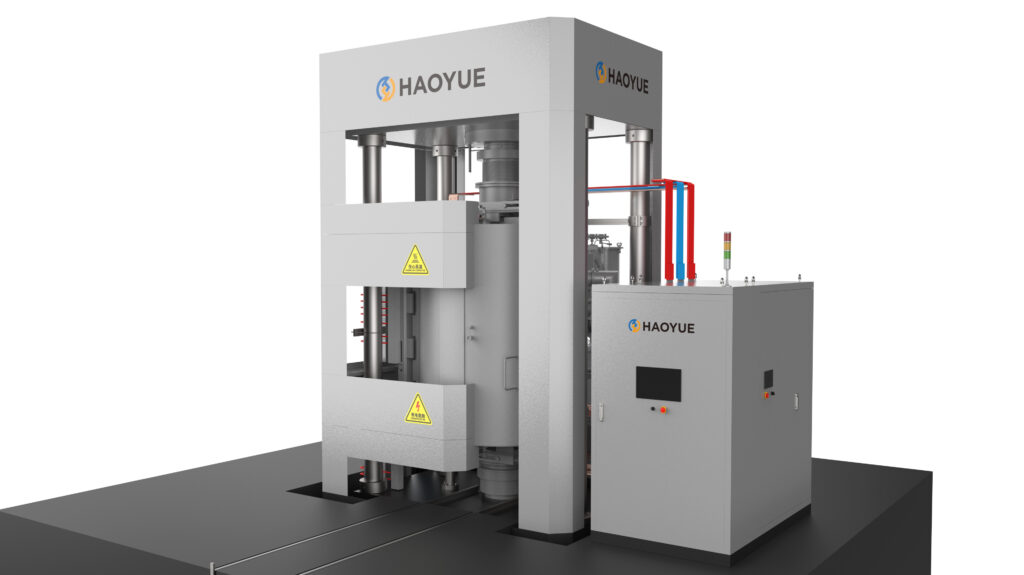
For enhanced densification and the elimination of residual porosity, especially in demanding applications, it’s worth exploring solutions from a hot isostatic press manufacturer. Hot isostatic pressing (HIP) applies high temperature and isostatic gas pressure simultaneously, leading to fully dense materials with superior mechanical properties. While a carbide sintering furnace handles the primary densification, HIP can serve as a post-sintering treatment for critical parts. Similarly, for certain carbide compositions or specific process requirements, consulting a general vacuum furnace manufacturer might reveal suitable alternatives or specialized designs. An industrial vacuum furnace supplier can often provide a broader range of options.
HAOYUE Furnace Technical Parameters for Carbide Sintering
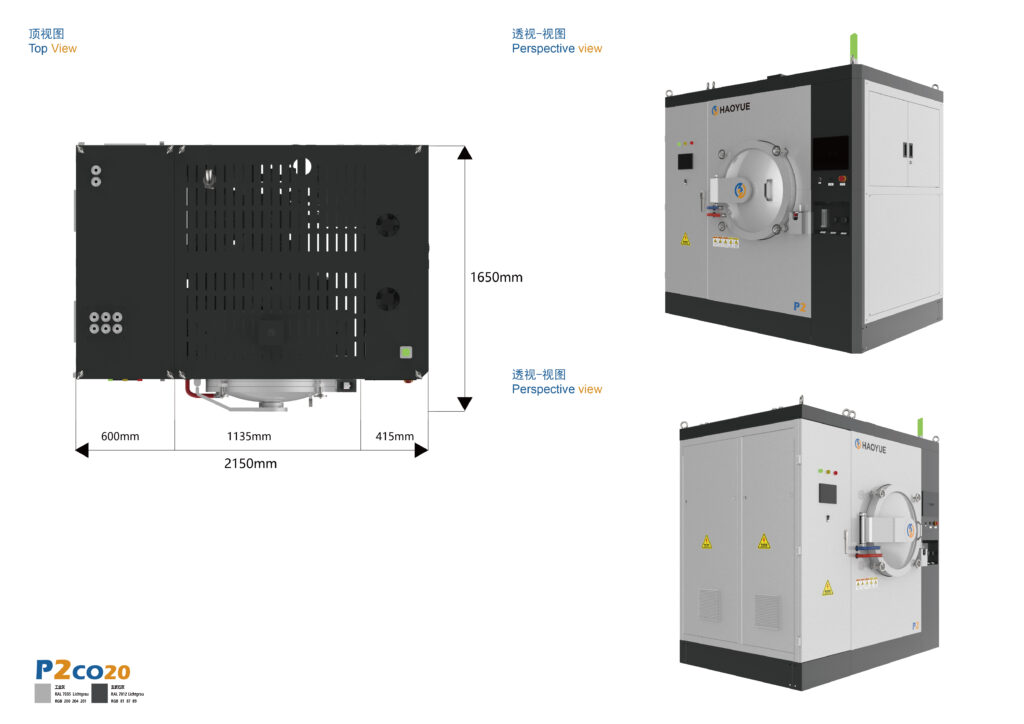
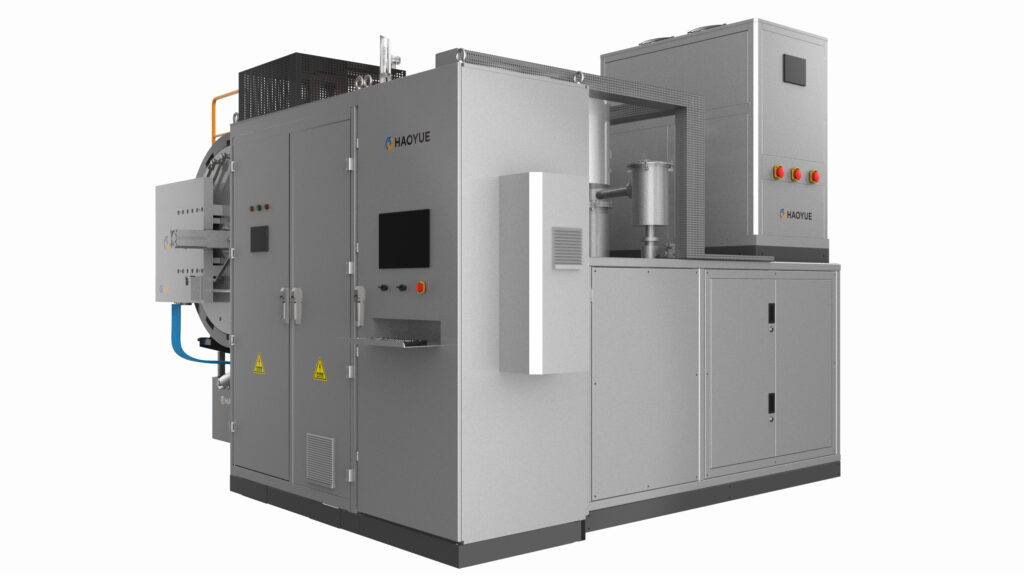
HAOYUE, as a leading vacuum furnace manufacturer, exemplifies the kind of technical prowess required for advanced carbide sintering. Their carbide sintering furnaces are engineered with precision to meet the rigorous demands of hard metal production. Key technical parameters often include:
- Maximum Operating Temperature: Up to 2200°C, providing ample range for various carbide formulations, including tungsten carbide and advanced ceramics.
- Working Temperature Uniformity: Achieved within ±5°C at 1800°C, ensuring consistent material properties across the entire batch.
- Ultimate Vacuum Level: Typically reaching 6.0 x 10⁻³ Pa, critical for effective binder removal and preventing oxidation.
- Leak Rate: Maintained at less than 1 Pa/h, demonstrating superior vacuum integrity.
- Heating Elements: High-purity graphite, designed for longevity and efficient heating even at peak temperatures.
- Hot Zone Dimensions: Customizable to client needs, with standard options like Ø300x400mm or Ø400x600mm to accommodate diverse production volumes.
- Cooling Rate: Capable of 10-15°C/min (from 1800°C to 100°C) via forced inert gas circulation, optimizing cycle times.
- Process Atmosphere: Versatile for vacuum, argon (Ar), hydrogen (H2), and nitrogen (N2) environments, supporting a wide array of sintering protocols.
- Debinding System: Integrated with an efficient wax condensation and collection system, preventing contamination and ensuring clean processing.
- Control System: Fully automated PLC-based system with touch screen HMI, offering precise recipe management, data logging, and remote diagnostics.
Real Overseas Project Cases with HAOYUE Furnaces
HAOYUE’s commitment to quality and innovation is demonstrated through numerous successful installations worldwide:
Case Study 1: High-Volume Tungsten Carbide Tool Production in Germany
A prominent German manufacturer of precision cutting tools faced challenges with throughput and batch consistency using their older sintering equipment. HAOYUE supplied a multi-chamber, large-capacity carbide sintering furnace system specifically designed for tungsten carbide. The integrated debinding and high-speed cooling capabilities significantly reduced cycle times by 30%, while the advanced temperature uniformity ensured consistent hardness and wear resistance across all tool inserts. This led to a substantial increase in production output and a reduction in scrap rates, solidifying the client’s market position.
Case Study 2: Advanced Silicon Carbide Ceramics for Aerospace in Japan
A Japanese aerospace component supplier required a furnace capable of sintering complex silicon carbide ceramics with extremely tight tolerances for density and microstructure. HAOYUE’s specialized carbide sintering furnace, featuring enhanced vacuum integrity (down to 10-4 Pa) and an ultra-uniform hot zone, was selected. The furnace’s ability to precisely control the inert atmosphere during the sintering process was crucial for achieving the desired properties, including high strength-to-weight ratio and thermal shock resistance, meeting the stringent demands of aerospace applications.
Case Study 3: Research and Development of Novel Hard Metals in the USA
A leading research institution in the United States sought a versatile laboratory-scale carbide sintering furnace for developing new hard metal alloys and composites. HAOYUE provided a compact, highly flexible furnace with broad temperature and atmosphere control capabilities (including reactive gas options). This furnace allowed researchers to experiment with various sintering parameters, rapid prototyping of novel materials, and detailed characterization, accelerating their R&D cycles and leading to several breakthroughs in material science.
Frequently Asked Questions (FAQ)
Q1: What is the main difference between a vacuum sintering furnace and a hot isostatic press (HIP)?
A vacuum sintering furnace primarily uses high temperature under vacuum or controlled atmosphere to densify powdered materials. While it achieves significant densification, some residual porosity may remain. A hot isostatic press (HIP), on the other hand, applies both high temperature and high isostatic gas pressure (typically argon) simultaneously. This combination is highly effective at eliminating internal porosity, leading to fully dense materials with enhanced mechanical properties. HIP is often used as a post-sintering treatment for critical components.
Q2: Why is debinding so important for carbide sintering?
Debinding is crucial because carbide powders are usually mixed with organic binders to give
Related Products & Services
- Vacuum Sintering Furnace – Advanced sintering solutions from HaoYue Group.
- Hot Isostatic Press (HIP)
- Vacuum Sintering Furnace
Looking for high-quality vacuum furnace solutions? Contact HaoYue Group today.
Related Products & Services
- Vacuum Sintering Furnace – Advanced sintering solutions from HaoYue Group.
- Hot Isostatic Press (HIP)
- Vacuum Sintering Furnace for powder metallurgy
Looking for high-quality vacuum furnace solutions? Contact HaoYue Group for more information.
Related Products & Services
- Vacuum Sintering Furnace – Advanced sintering solutions from HaoYue Group.
- Hot Isostatic Press (HIP)
- Vacuum Sintering Furnace for powder metallurgy
Looking for high-quality vacuum furnace solutions? Contact HaoYue Group for more information.