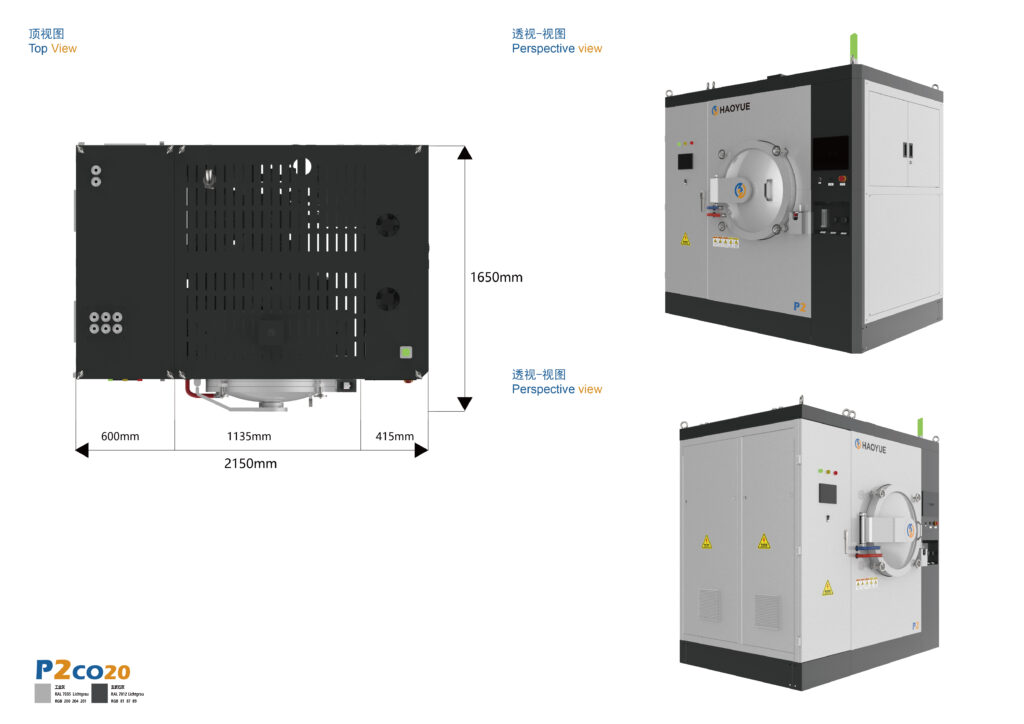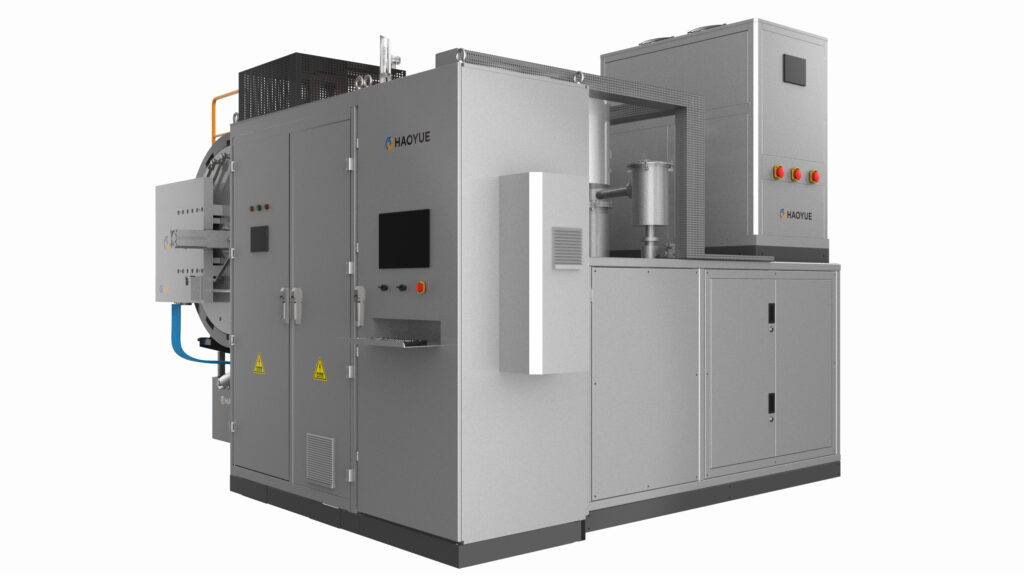






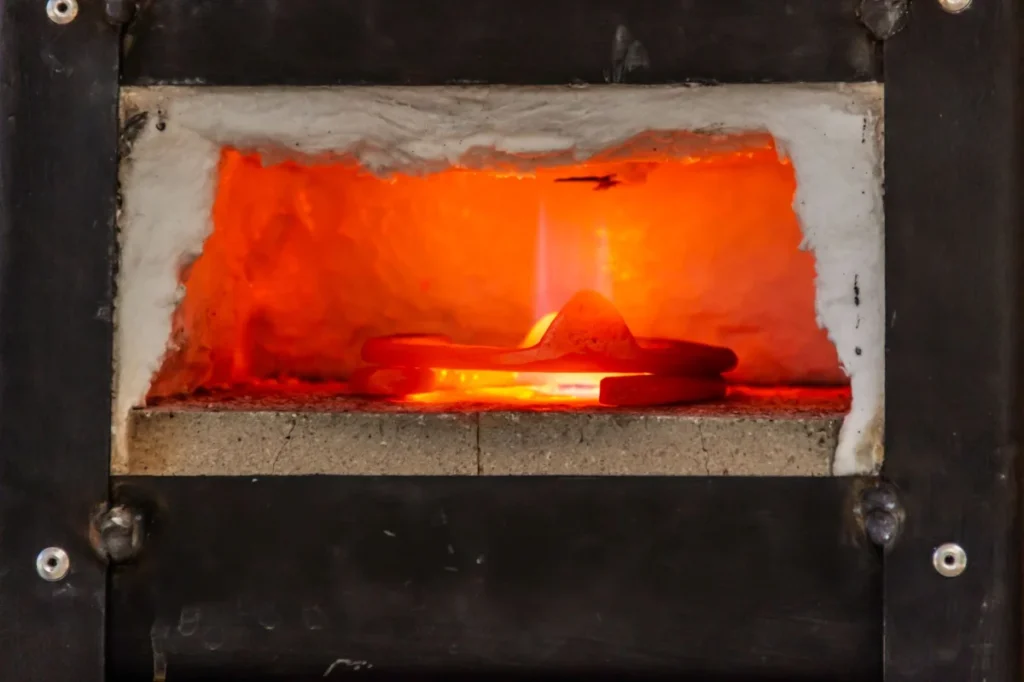
In modern industrial manufacturing, achieving the highest levels of material density, purity, and structural integrity requires precise thermal processing. As industries push the boundaries of metallurgy and advanced ceramics, partnering with an experienced vacuum furnace manufacturer is crucial for deploying systems that deliver repeatable, high-tolerance results under extreme conditions.
Advanced Sintering Technologies and Equipment Selection
Selecting the right sintering technology is a critical decision for materials scientists and production engineers. When selecting a vacuum sintering furnace manufacturer, engineers must evaluate the specific physical mechanisms required for consolidation. For rapid consolidation of advanced materials, consulting an SPS furnace manufacturer can unlock Spark Plasma Sintering capabilities that drastically reduce cycle times. Alternatively, collaborating with a hot pressing furnace manufacturer ensures the availability of uniaxial pressure systems ideal for dense, large-format structural ceramics. For post-sintering densification to eliminate residual porosity, working with a certified HIP manufacturer allows companies to implement Hot Isostatic Pressing protocols effectively.
Understanding the nuances of SPS vs hot pressing is essential; SPS utilizes pulsed direct current to generate internal heating, while hot pressing relies on external heating elements, making SPS significantly faster. Similarly, comparing HIP vs vacuum sintering reveals that while vacuum sintering is highly cost-effective for complex shapes, HIP provides the ultimate pore-free density required for critical structural applications. When dealing with difficult-to-densify covalent ceramics, analyzing vacuum sintering vs pressure sintering becomes necessary, often leading to utilizing a gas pressure sintering furnace to prevent thermal decomposition during high-temperature consolidation.
These advanced thermal systems are indispensable across various materials. For instance, high-purity silicon carbide sintering requires precise vacuum control to prevent phase transformation, while the zirconia sintering process and alumina sintering process demand strict temperature uniformity to avoid micro-cracking. For refractory metals and hard metals, optimized tungsten carbide sintering and high-temperature molybdenum sintering are vital to achieving theoretical density and superior mechanical wear resistance.
Precision Heat Treatment and Vacuum Brazing Solutions
Beyond sintering, thermal modification of metal parts requires highly specialized thermal environments. Partnering with a leading vacuum heat treatment furnace manufacturer provides access to systems designed for precise hardening, tempering, and annealing without surface oxidation. For joining critical assemblies, selecting a specialized vacuum brazing furnace manufacturer is the key to achieving leak-tight, high-strength joints across dissimilar metals.
The technical nuances of the vacuum sintering process, vacuum brazing process, vacuum annealing process, and vacuum hardening process dictate the final microstructural properties of the workpiece. For example, the high-precision requirements of titanium alloy heat treatment demand rapid quenching capabilities and ultra-high vacuum levels to prevent oxygen embrittlement. For materials sensitive to oxidation or requiring decarburization, these operations can be processed safely using a vacuum hydrogen furnace, while the delicate fabrication of microelectronics demands the ultra-clean environment of a semiconductor vacuum furnace.
Choosing the correct equipment configuration involves several key technical comparisons. Comparing a vacuum furnace vs atmosphere furnace highlights that vacuum systems eliminate convective heat transfer and oxidation risks, offering unmatched cleanliness. Furthermore, evaluating a graphite furnace vs molybdenum furnace is essential for hot zone selection; graphite hot zones offer excellent thermal efficiency and lower costs but may cause carbon contamination, whereas molybdenum hot zones provide an ultra-clean environment suitable for medical and aerospace applications. Finally, the comparison of vacuum brazing vs conventional brazing shows that vacuum processing eliminates the need for corrosive fluxes, resulting in cleaner joints with superior fatigue resistance.
Tailored Industry Applications
Different industrial sectors demand highly specialized thermal processing configurations. In the aerospace sector, manufacturers rely on a high-spec aerospace vacuum furnace and an aerospace heat treatment furnace to process turbine blades and structural components under strict AMS2750 standards. In the medical sector, ensuring biocompatibility is paramount, requiring specialized thermal profiles achieved using a medical implant sintering furnace for orthopedic devices or a compact dental implant vacuum furnace for dental prosthetics. Meanwhile, the energy sector relies on high-throughput processing optimized via a battery material sintering furnace to produce high-performance anode and cathode powders, while industrial tooling brands manufacture high-durability cutting inserts engineered with a carbide tool sintering furnace.
In conclusion, choosing the right thermal processing system requires a deep understanding of material science, process parameters, and equipment design. By selecting the appropriate vacuum configurations and partnering with specialized manufacturers, industrial operators can achieve unparalleled material performance and operational efficiency.