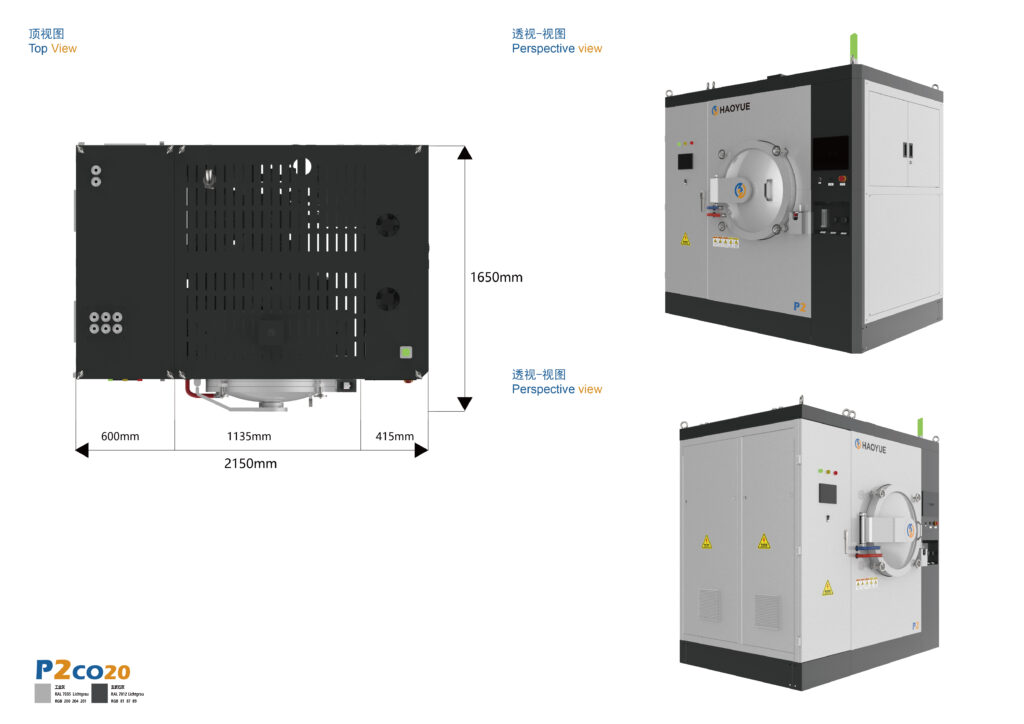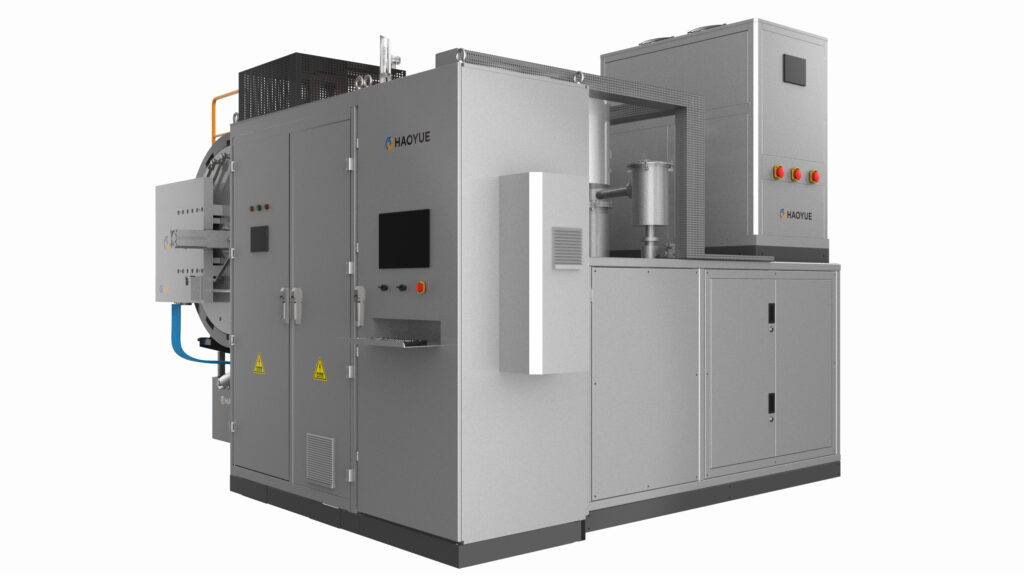






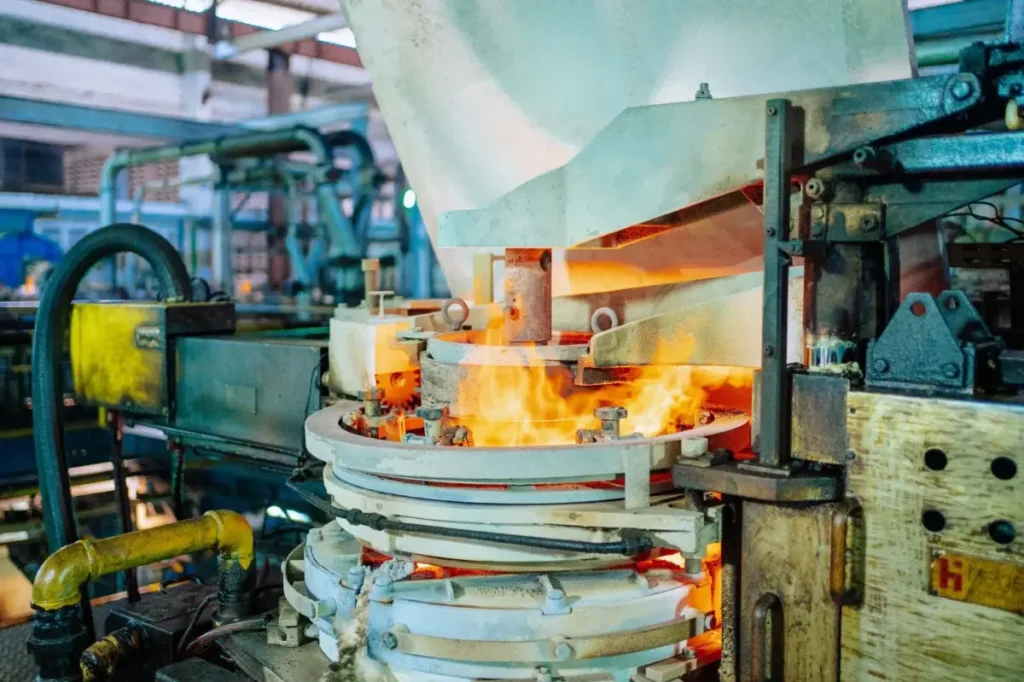
In modern industrial manufacturing, achieving superior material properties requires precise control over thermal environments. Selecting the right equipment partner, such as a premier vacuum furnace manufacturer or a specialized vacuum sintering furnace manufacturer, is critical for industries seeking to optimize their production lines. From aerospace components to medical implants, advanced thermal processing technologies ensure that materials meet the most stringent mechanical and physical specifications.
Sintering Technologies: SPS, Hot Pressing, and HIP
When consolidating advanced ceramics and powder metals, manufacturers must choose the optimal sintering methodology. A major point of evaluation is SPS vs hot pressing. Spark Plasma Sintering (SPS) utilizes pulsed direct current to achieve rapid densification, making an experienced SPS furnace manufacturer highly sought after for cutting-edge research and production. Conversely, a hot pressing furnace manufacturer provides systems that rely on simultaneous uniaxial pressure and resistance heating, which remains a staple for larger, uniform structural components.
For applications demanding theoretical density and zero porosity, engineers often compare HIP vs vacuum sintering. While standard vacuum sintering is highly cost-effective, a certified HIP manufacturer utilizes Hot Isostatic Pressing, applying high-pressure inert gas to eliminate internal voids. In cases where volatile materials require overpressure to prevent decomposition, a gas pressure sintering furnace is deployed, illustrating the operational trade-offs of vacuum sintering vs pressure sintering in high-performance ceramics production.
Precision Brazing and Heat Treatment Processes
Joining and surface modification require clean, oxygen-free environments to prevent oxidation and contamination. Partnering with a dedicated vacuum heat treatment furnace manufacturer or a vacuum brazing furnace manufacturer allows companies to implement highly repeatable thermal cycles. Utilizing a controlled vacuum brazing process offers distinct advantages when analyzing vacuum brazing vs conventional brazing, as the vacuum environment eliminates the need for flux, resulting in cleaner, stronger, and flux-inclusion-free joints.
For stress relief and microstructural refinement, the vacuum annealing process is indispensable, particularly for reactive metals. Similarly, to achieve high surface hardness and core toughness, the vacuum hardening process is utilized, ensuring minimal distortion and eliminating the need for post-heat-treatment cleaning or decarb removal.
Material-Specific Sintering and Heat Treatment
Different materials demand custom thermal profiles and atmospheric controls:
- Silicon carbide sintering: Requires ultra-high temperatures, often exceeding 2000°C, in specialized vacuum or inert gas environments.
- Zirconia sintering process and alumina sintering process: Essential for technical ceramics, dental restorations, and wear-resistant components, requiring precise ramp rates to prevent thermal shock.
- Tungsten carbide sintering and molybdenum sintering: Key to powder metallurgy, requiring precise liquid-phase control and dewaxing capabilities.
- Titanium alloy heat treatment: Highly reactive titanium requires an ultra-high vacuum or a specialized vacuum hydrogen furnace to control hydriding and degassing phases.
Industry-Specific Thermal Solutions
Thermal processing equipment is highly customized to meet the compliance and quality standards of specific sectors:
- Aerospace: Standard compliance requires an advanced aerospace vacuum furnace or a dedicated aerospace heat treatment furnace capable of meeting Nadcap pyrometry requirements.
- Medical & Dental: Biocompatible components rely on a medical implant sintering furnace to ensure zero contamination, while orthodontic laboratories utilize a compact dental implant vacuum furnace for restorative ceramics.
- Electronics & Energy: The production of high-purity wafers and sensors utilizes a specialized semiconductor vacuum furnace, while active anode and cathode powders are synthesized in a high-volume battery material sintering furnace.
- Tooling: The cutting tool industry relies on a heavy-duty carbide tool sintering furnace to produce ultra-hard wear parts.
Equipment Selection: Atmosphere and Hot Zone Materials
When designing a thermal processing line, engineers must evaluate the fundamental system architecture, starting with a comparison of a vacuum furnace vs atmosphere furnace. While atmosphere furnaces are suitable for basic oxidation-resistant processes, vacuum systems are mandatory for reactive alloys and high-purity applications.
Furthermore, the choice of hot zone materials is a critical engineering decision, often framed as a comparison between a graphite furnace vs molybdenum furnace. Graphite hot zones offer excellent thermal uniformity and cost-efficiency at extreme temperatures, but can cause carbon contamination. Molybdenum hot zones, or all-metal zones, are essential for cleanroom environments, semiconductor applications, and medical-grade processing where carbon pickup is strictly prohibited.
Conclusion
Achieving excellence in thermal processing requires a deep understanding of the underlying metallurgy, process dynamics, and equipment capabilities. Whether implementing a high-temperature vacuum sintering process or configuring an advanced heat treatment line, partnering with an experienced manufacturer ensures that your thermal systems deliver the reliability, efficiency, and precision required in today’s competitive industrial landscape.