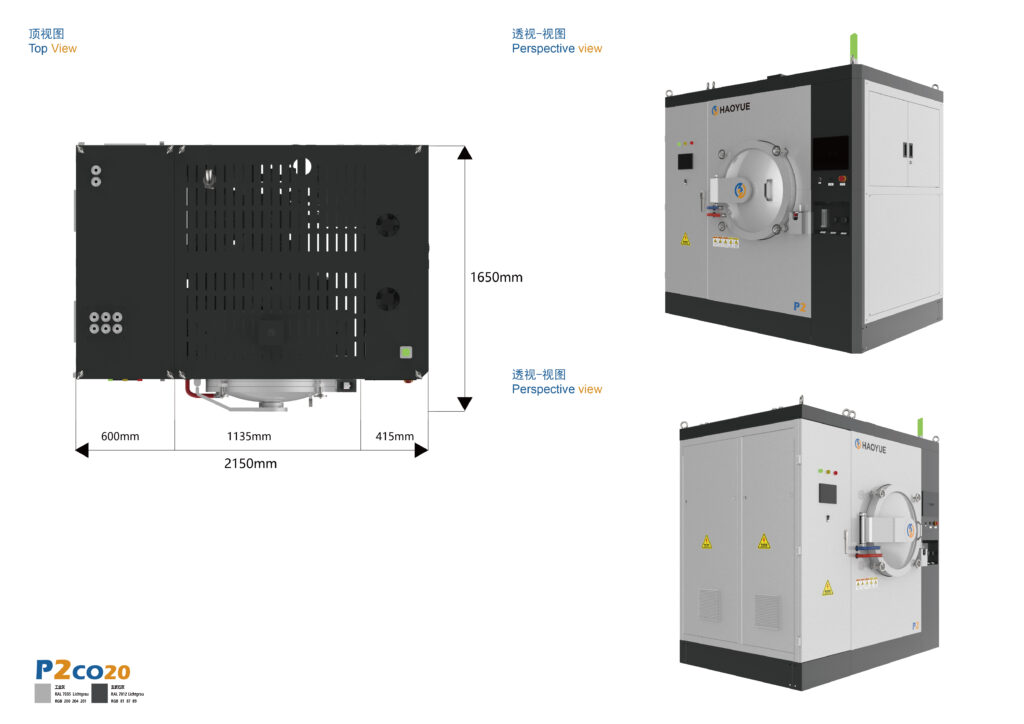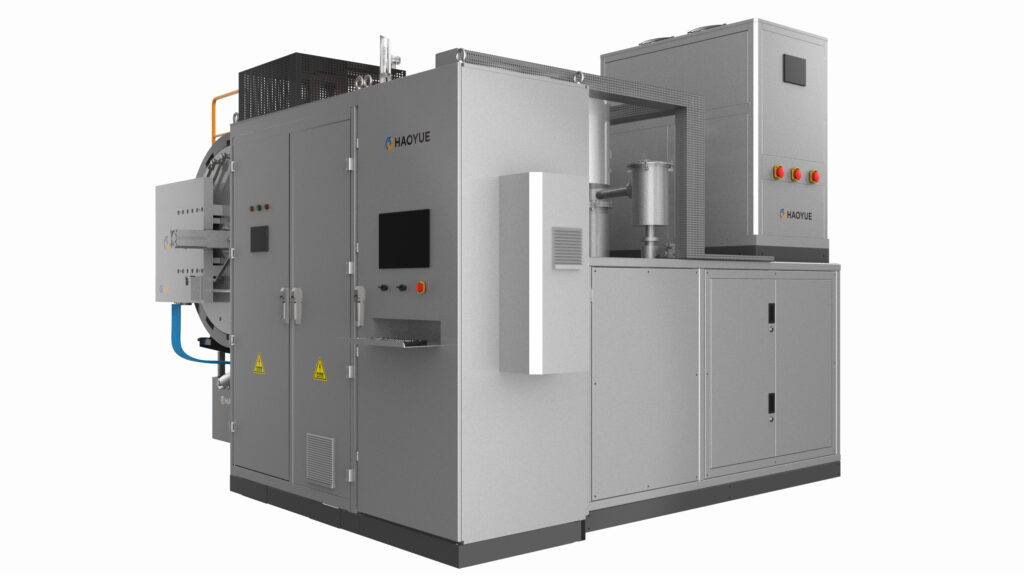






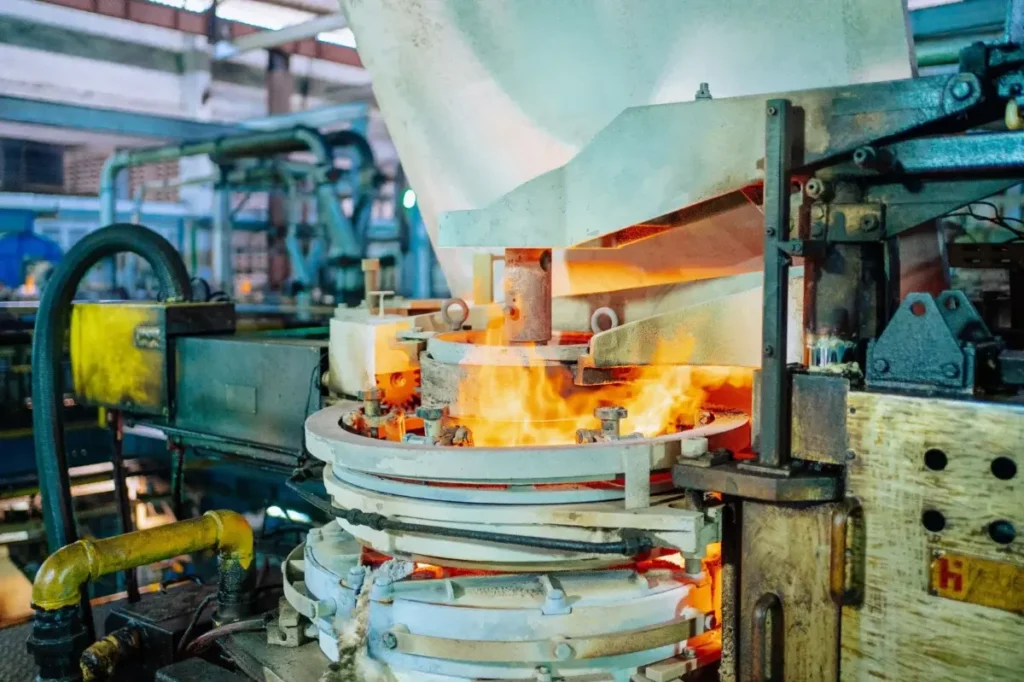
In the rapidly evolving landscape of advanced metallurgy, technical ceramics, and semiconductor manufacturing, selecting the optimal thermal processing equipment is paramount. Modern engineering demands materials that can withstand extreme environments, which has led to a surge in reliance on specialized high-temperature systems. As a leading vacuum furnace manufacturer, we understand that achieving precise material properties requires a deep understanding of thermal dynamics. When deciding between a vacuum furnace vs atmosphere furnace, the elimination of atmospheric contaminants in a vacuum environment ensures superior purity, density, and mechanical integrity for critical components.
Evaluating Advanced Sintering Technologies
For advanced ceramic and powder metallurgy applications, selecting the right sintering method is critical. Engineers often compare SPS vs hot pressing to determine the most efficient consolidation pathway. Spark Plasma Sintering (SPS) offers rapid heating rates and shorter cycle times, making an experienced SPS furnace manufacturer a valuable partner for developing novel materials. Conversely, a hot pressing furnace manufacturer provides systems optimized for uniaxial pressure application at high temperatures, suitable for larger, less complex geometries. When comparing HIP vs vacuum sintering, Hot Isostatic Pressing (HIP) introduces high-pressure gas to eliminate residual porosity, whereas standard vacuum sintering relies on thermal diffusion. A specialized HIP manufacturer can help achieve near-theoretical density in critical components. For applications requiring overpressure during the thermal cycle, a gas pressure sintering furnace offers a middle ground, balancing vacuum sintering vs pressure sintering dynamics to prevent material decomposition at elevated temperatures.
Tailoring the Sintering Process to Advanced Materials
Different materials require highly specific thermal profiles and environments. For instance, the silicon carbide sintering process demands extremely high temperatures and precise atmosphere control to achieve high hardness and thermal conductivity. In contrast, the zirconia sintering process and alumina sintering process are vital for producing bio-inert and wear-resistant technical ceramics. In the tooling sector, tungsten carbide sintering ensures the extreme hardness and toughness required for cutting tools, while molybdenum sintering is essential for producing high-temperature refractory components. Executing a precise vacuum sintering process ensures these materials achieve their optimal microstructural phases without oxidation or contamination.
Precision Heat Treatment and Brazing Solutions
Beyond sintering, achieving the desired mechanical properties in metallic components relies on advanced heat treatment. Partnering with a reliable vacuum heat treatment furnace manufacturer allows industries to implement precise thermal cycles. Processes such as the vacuum annealing process relieve internal stresses and improve ductility, while the vacuum hardening process enhances wear resistance. For advanced aerospace alloys, a highly controlled titanium alloy heat treatment cycle is mandatory to prevent hydrogen embrittlement and maintain structural integrity. Furthermore, joining critical assemblies requires advanced bonding techniques. A reputable vacuum brazing furnace manufacturer provides systems that facilitate the vacuum brazing process, which offers significant advantages when comparing vacuum brazing vs conventional brazing, including flux-free joints, minimal distortion, and the ability to join dissimilar materials seamlessly.
Industry-Specific Thermal Processing Systems
Different sectors require tailored thermal processing environments. The aerospace sector relies heavily on an aerospace vacuum furnace or a dedicated aerospace heat treatment furnace to meet stringent Nadcap standards for turbine blades and structural components. In the medical field, a medical implant sintering furnace or a specialized dental implant vacuum furnace ensures the biocompatibility and strength of titanium and zirconia prosthetics. The electronics sector utilizes a high-purity semiconductor vacuum furnace to process wafers and advanced packaging materials, while the energy sector relies on a battery material sintering furnace to synthesize high-performance anode and cathode powders. For the tooling industry, a carbide tool sintering furnace is indispensable for manufacturing high-precision drills and inserts. Depending on the material requirements, operators must choose between a graphite furnace vs molybdenum furnace; graphite hot zones offer cost-effective high-temperature performance, while molybdenum hot zones provide the ultra-clean, carbon-free environment necessary for sensitive alloys. Additionally, a vacuum hydrogen furnace is often deployed for reducing oxides and sintering refractory metals in a controlled, reducing atmosphere.
Conclusion
Selecting the right thermal processing equipment involves balancing material requirements, throughput goals, and industry standards. Whether you need to implement a complex sintering cycle or a precise heat treatment protocol, partnering with an experienced vacuum sintering furnace manufacturer ensures your equipment is engineered for maximum reliability, thermal uniformity, and energy efficiency. By understanding the nuances of modern thermal processes, engineers can unlock new levels of material performance and manufacturing excellence.