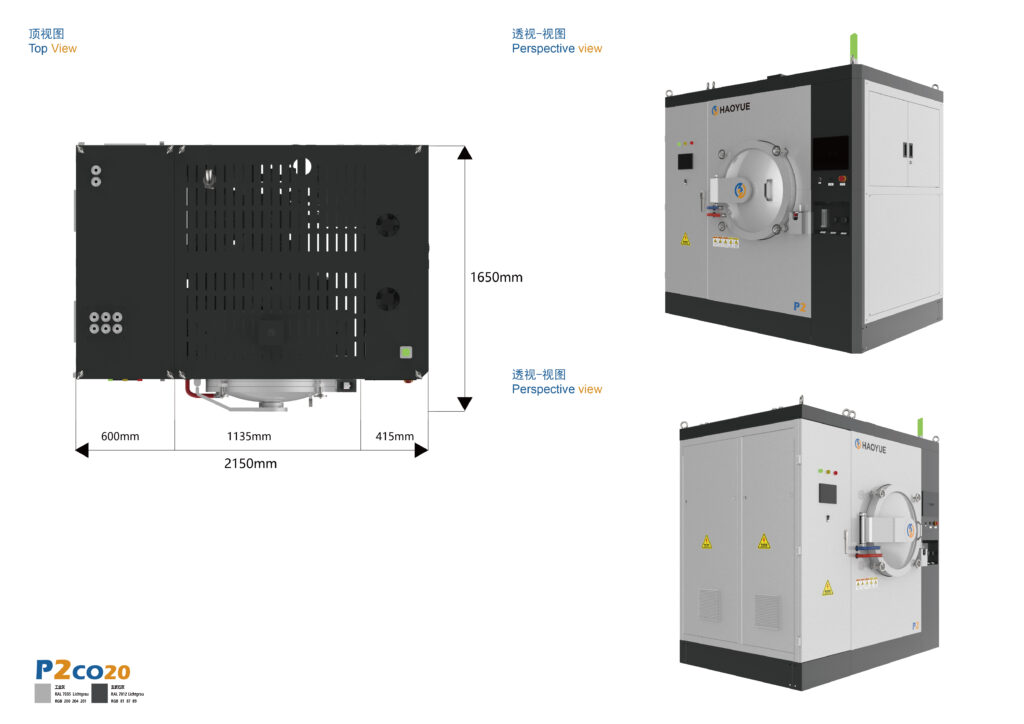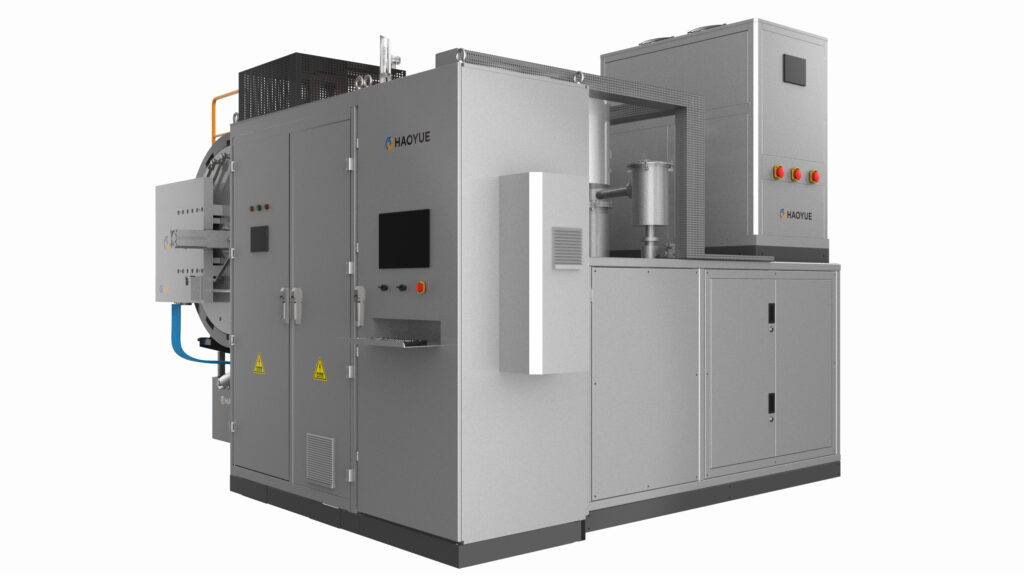






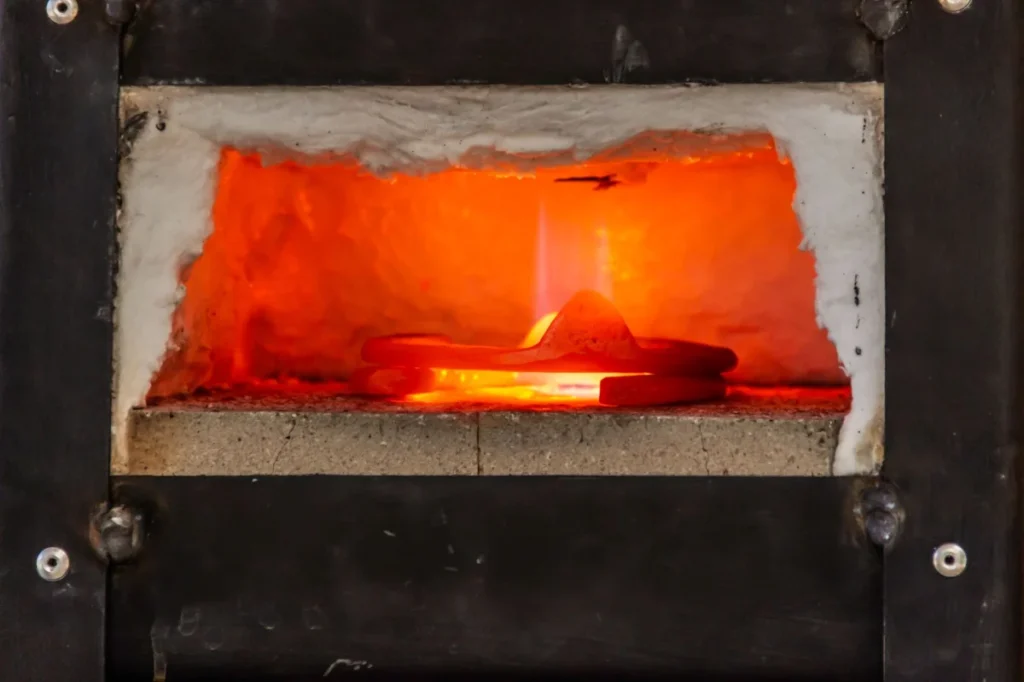
In modern high-precision manufacturing, achieving superior material properties requires absolute control over thermal environments. Whether you are engineering aerospace components, medical devices, or advanced electronics, selecting the right thermal processing equipment is paramount. Partnering with an experienced, authoritative vacuum furnace manufacturer ensures access to the precise thermal profiles, atmospheric controls, and structural integrity required for today’s demanding industrial applications. From powder metallurgy to advanced diffusion bonding, understanding the nuances of specialized thermal systems is the key to unlocking next-generation material performance.
1. Advanced Sintering Technologies: Compacting and Densifying High-Performance Materials
Sintering is the cornerstone of powder metallurgy and advanced ceramics. To achieve near-theoretical density in technical ceramics, processes like silicon carbide sintering, zirconia sintering process, and alumina sintering process require extremely high temperatures and precise vacuum levels. For extremely hard materials, a specialized carbide tool sintering furnace is deployed to handle tungsten carbide sintering and molybdenum sintering without risking decarburization or oxidation.
When selecting the optimal compaction and densification method, engineers often weigh the benefits of SPS vs hot pressing. Spark Plasma Sintering (SPS) utilizes pulsed direct current to heat the material internally, offering rapid heating rates and shorter cycle times compared to traditional hot pressing. As a leading SPS furnace manufacturer and hot pressing furnace manufacturer, we design systems that cater to both rapid-cycle research and high-volume industrial production. Furthermore, evaluating HIP vs vacuum sintering (Hot Isostatic Pressing) is crucial for eliminating internal porosity; while standard vacuum sintering provides excellent cost-efficiency, a specialized HIP manufacturer can provide systems that apply simultaneous high temperature and isostatic gas pressure to achieve 100% density in critical aerospace components.
2. Vacuum Heat Treatment and Joining Processes
Heat treatment under vacuum prevents surface contamination, decarburization, and distortion. A professional vacuum heat treatment furnace manufacturer designs systems optimized for the vacuum annealing process and vacuum hardening process, which are essential for tool steels and superalloys. For instance, high-performance aerospace components often require specialized titanium alloy heat treatment to prevent hydrogen embrittlement and oxygen pickup.
When it comes to joining dissimilar metals or precision assemblies, the vacuum brazing process offers unparalleled joint strength and cleanliness. Comparing vacuum brazing vs conventional brazing highlights the clear advantages of the vacuum environment: it eliminates the need for corrosive fluxes, prevents oxidation, and produces clean, bright joints that require no post-braze cleaning. Working with a dedicated vacuum brazing furnace manufacturer guarantees that your thermal systems are equipped with the precise zone control and vacuum levels required for high-integrity joints.
3. Industry-Specific Thermal Processing Solutions
Different industries demand highly tailored thermal environments. In the aerospace sector, safety and component integrity are non-negotiable. An aerospace vacuum furnace and an aerospace heat treatment furnace must comply with strict AMS2750 standards to guarantee absolute temperature uniformity during critical component processing.
In the medical and dental fields, biocompatibility is paramount. Utilizing a medical implant sintering furnace or a dental implant vacuum furnace ensures that orthopedic implants and dental prosthetics are sintered in an ultra-clean environment, free of any volatile contaminants. Similarly, the energy sector relies on a specialized battery material sintering furnace to synthesize advanced anode and cathode materials under precise atmospheric conditions.
For the electronics and semiconductor sectors, a semiconductor vacuum furnace is vital for wafer processing, MEMS packaging, and sensor manufacturing. Additionally, highly specialized atmospheres are managed using a vacuum hydrogen furnace for reducing oxides, or a gas pressure sintering furnace to prevent decomposition of advanced silicon nitride ceramics at elevated temperatures.
4. Technical Selection Criteria: Optimizing Your Thermal System
When designing or purchasing a thermal processing system, engineers must evaluate several fundamental technical configurations:
- Vacuum furnace vs atmosphere furnace: While atmosphere furnaces are suitable for basic protective gas processes, a vacuum furnace provides superior control over residual oxygen, making it indispensable for reactive metals and ultra-clean applications.
- Graphite furnace vs molybdenum furnace: Graphite hot zones are highly cost-effective and durable up to extremely high temperatures, but they can cause carbon contamination. Molybdenum hot zones are preferred for clean-room applications, medical devices, and semiconductor processing where carbon pickup must be strictly avoided.
- Vacuum sintering vs pressure sintering: Standard vacuum sintering is excellent for most powder metallurgy parts, but pressure sintering (such as gas pressure sintering or hot pressing) is required for materials with low self-diffusion coefficients or those that tend to decompose at high temperatures.
Ultimately, partnering with a world-class vacuum sintering furnace manufacturer ensures that your equipment is engineered to meet your exact metallurgical and production goals, providing a reliable foundation for your advanced thermal processing needs.