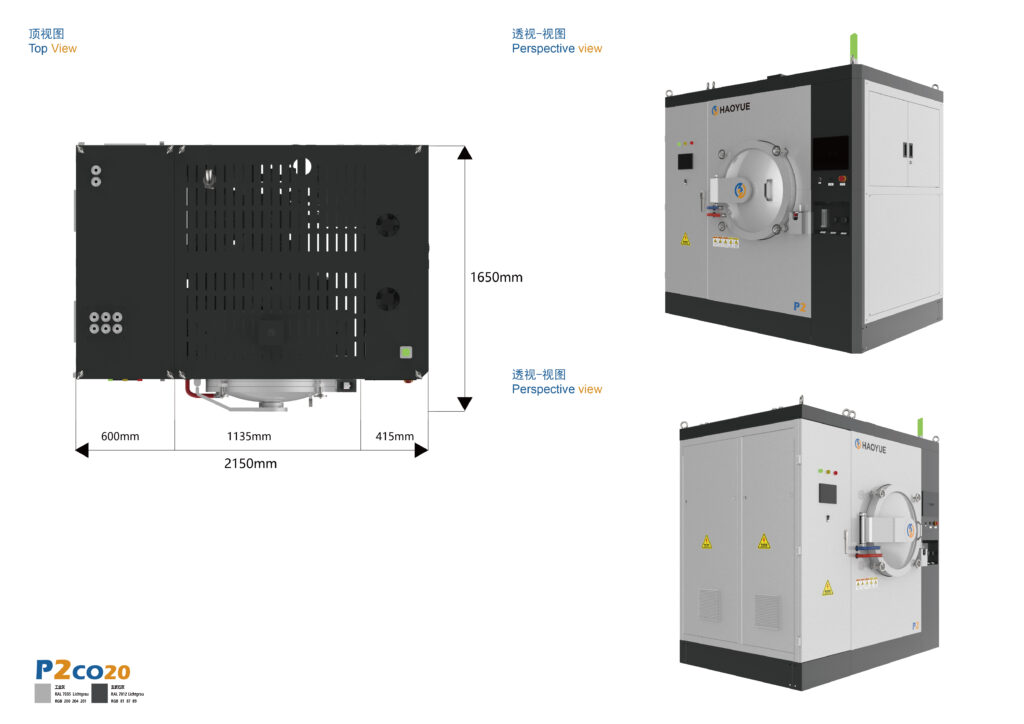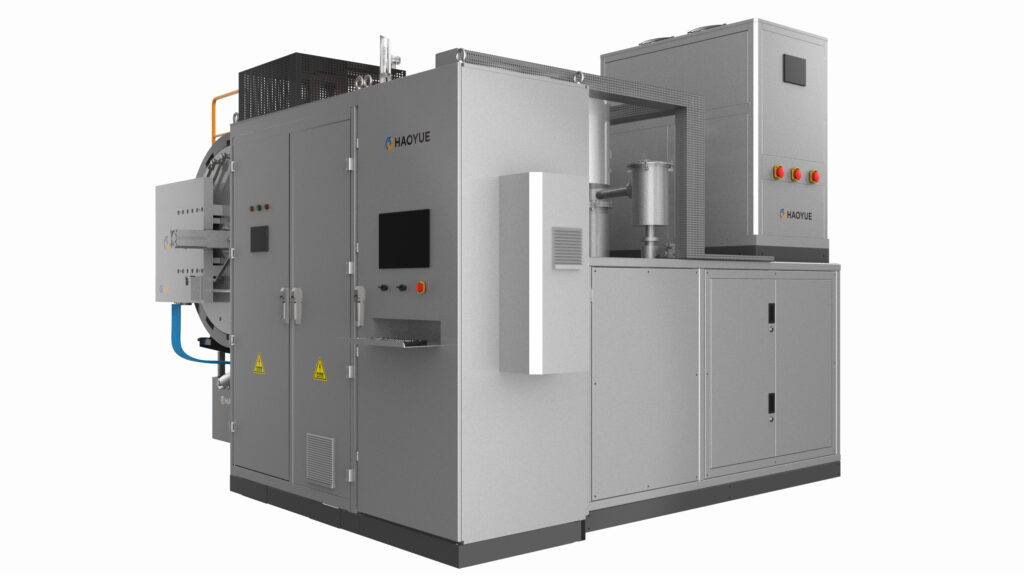







In the modern manufacturing landscape, achieving peak material performance requires precise control over thermal environments. For engineers and procurement specialists, choosing a reliable vacuum furnace manufacturer is the first step toward optimizing high-temperature operations. When evaluating thermal processing options, understanding the differences between a vacuum furnace vs atmosphere furnace is crucial. While atmosphere furnaces introduce specific gases to protect or react with materials, vacuum systems eliminate contaminants entirely, preventing oxidation and decarburization to deliver unmatched metallurgical purity.
The Evolution of Sintering: Advanced Processes and Equipment
Sintering is fundamental to producing high-density components from powder compacts. Modern industrial applications rely heavily on the vacuum sintering process to achieve near-theoretical density in advanced ceramics and refractory metals. For instance, structural ceramics require specialized thermal profiles, such as those used in silicon carbide sintering, zirconia sintering process, and alumina sintering process lines. Similarly, heavy-duty applications demand precise tungsten carbide sintering and high-purity molybdenum sintering to ensure extreme wear resistance and mechanical strength.
When selecting a vacuum sintering furnace manufacturer, buyers must weigh different compaction and heating methodologies. A common technical debate centers on HIP vs vacuum sintering. While standard vacuum sintering utilizes thermal energy to densify materials, Hot Isostatic Pressing (HIP) applies simultaneous high pressure and temperature. Partnering with an experienced HIP manufacturer allows industries to eliminate internal porosity in cast parts. For applications where uniaxial pressure is sufficient, a gas pressure sintering furnace offers an excellent middle ground, facilitating optimal densification through vacuum sintering vs pressure sintering mechanics.
SPS vs Hot Pressing: Choosing the Right Consolidation Technology
For rapid consolidation of advanced materials, developers often compare SPS vs hot pressing. A hot pressing furnace manufacturer designs systems that apply uniaxial pressure and external heating to compact powders over several hours. Conversely, an SPS furnace manufacturer utilizes Spark Plasma Sintering, which passes a pulsed direct current directly through the graphite die and sample, achieving rapid heating rates and dramatically reducing cycle times from hours to minutes.
Precision Heat Treatment and Surface Engineering
Beyond sintering, precise thermal modification of metals is vital for structural integrity. A leading vacuum heat treatment furnace manufacturer designs systems capable of executing a flawless vacuum annealing process to relieve internal stresses, as well as a controlled vacuum hardening process to maximize wear resistance. These treatments are particularly critical for high-performance metallurgy, such as titanium alloy heat treatment, where even trace oxygen can cause embrittlement. In sectors like aviation, utilizing a specialized aerospace vacuum furnace or a certified aerospace heat treatment furnace ensures compliance with stringent Nadcap standards.
Advanced Joining Technologies: Vacuum Brazing
Joining dissimilar metals or complex assemblies requires advanced bonding techniques. A dedicated vacuum brazing furnace manufacturer provides the technology needed to execute a clean vacuum brazing process. When comparing vacuum brazing vs conventional brazing, the vacuum variant stands out by eliminating the need for corrosive fluxes, preventing oxidation, and producing exceptionally clean, high-strength joints. For highly sensitive alloys, a vacuum hydrogen furnace is often employed to reduce surface oxides actively during the heating cycle.
Industry-Specific Thermal Solutions
Different industries require highly tailored thermal processing environments. In the medical and dental sectors, high-purity systems like a medical implant sintering furnace or a dental implant vacuum furnace are essential for producing biocompatible titanium and zirconia prosthetics. For energy storage, a specialized battery material sintering furnace ensures the precise synthesis of cathode and anode powders. In tooling, a carbide tool sintering furnace is indispensable for manufacturing high-durability cutting inserts. Furthermore, the microelectronics sector relies on a high-precision semiconductor vacuum furnace to process wafers and package sensitive electronic components under ultra-clean conditions.
When configuring these systems, engineers must also decide on the hot zone materials. Comparing a graphite furnace vs molybdenum furnace is key here: graphite hot zones offer cost-effective, robust performance up to very high temperatures, whereas molybdenum hot zones are mandatory for clean-room applications where carbon contamination must be strictly avoided.
Conclusion
Selecting the ideal thermal processing setup requires a deep understanding of material requirements, process pathways, and equipment capabilities. Whether you are partnering with an expert vacuum furnace manufacturer to deploy a new sintering line or upgrading your heat treatment capabilities, choosing the right configuration ensures operational efficiency and superior product quality across all industrial sectors.