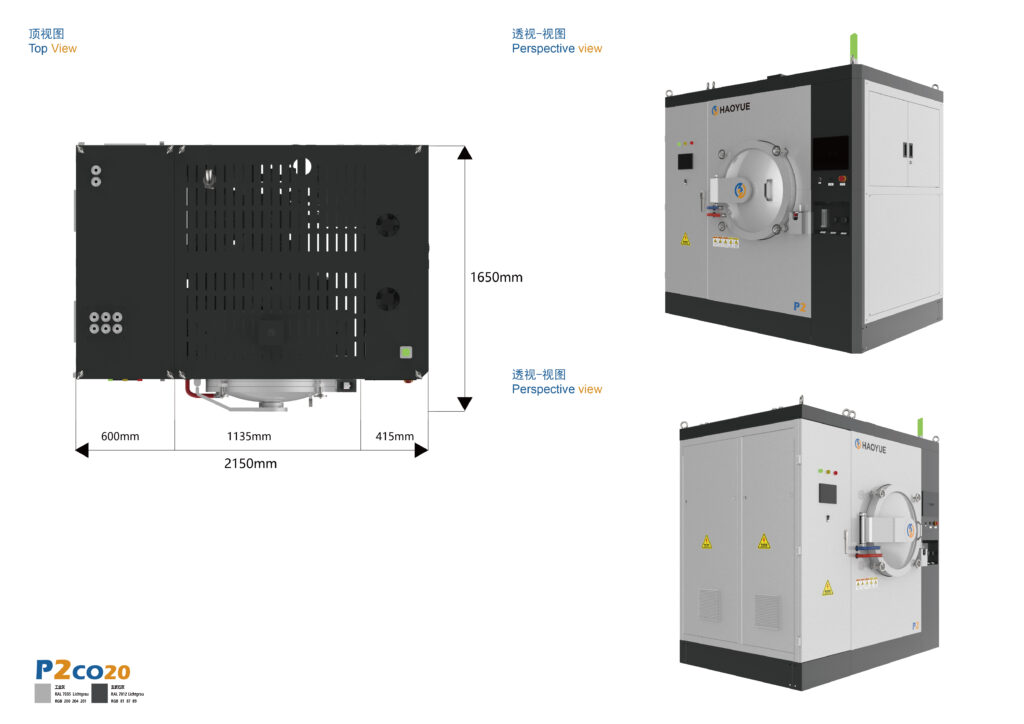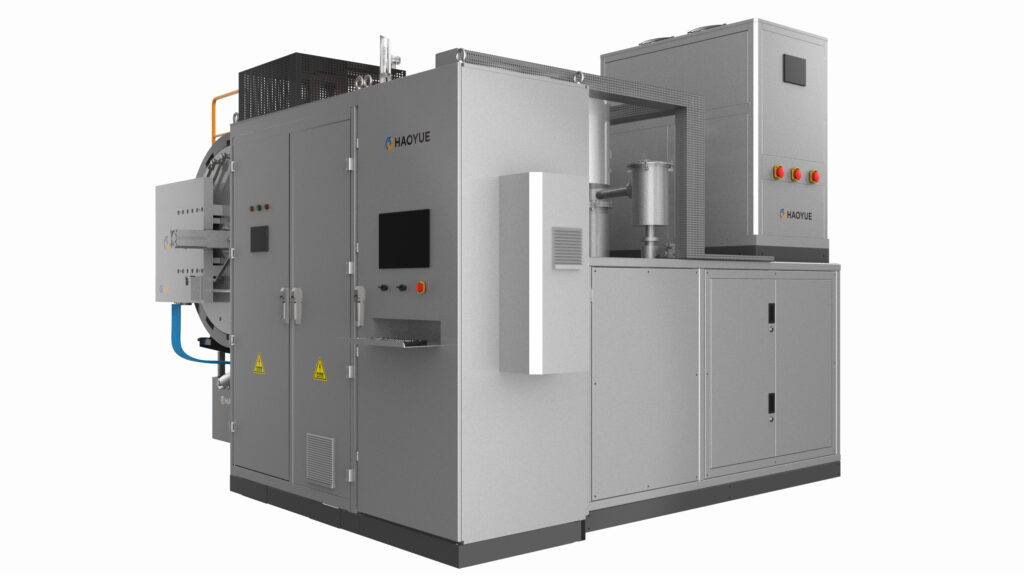






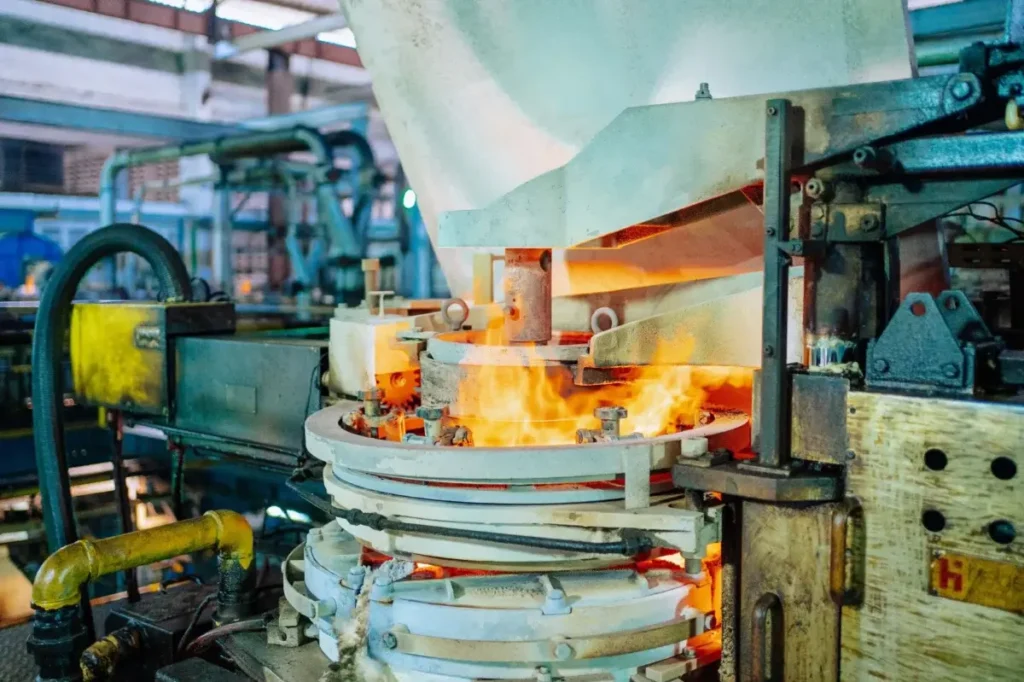
In the rapidly evolving landscape of advanced metallurgy, technical ceramics, and semiconductor manufacturing, selecting the right thermal processing partner is paramount. Working with an experienced vacuum furnace manufacturer allows industrial operators to achieve unprecedented precision, material density, and mechanical integrity. Whether you are sourcing equipment from a dedicated vacuum sintering furnace manufacturer or a specialized vacuum heat treatment furnace manufacturer, understanding the underlying thermodynamic principles and equipment configurations is critical to optimizing your production pipeline.
Advanced Sintering Technologies and Material Applications
The vacuum sintering process has revolutionized the production of high-performance materials. For instance, silicon carbide sintering and the alumina sintering process require precise atmosphere control and ultra-high temperatures to eliminate porosity and achieve near-theoretical density. Similarly, the dental and medical industries rely heavily on the zirconia sintering process to produce highly aesthetic and biocompatible restorations, often utilizing a specialized dental implant vacuum furnace or a high-capacity medical implant sintering furnace.
For heavy industrial tooling, tungsten carbide sintering is essential to produce wear-resistant parts inside a dedicated carbide tool sintering furnace. Furthermore, refractory metals require precise thermal profiles, making molybdenum sintering a key process for aerospace and electronic components. In the energy sector, manufacturers utilize a specialized battery material sintering furnace to synthesize high-purity cathode and anode materials under strict vacuum or controlled atmospheres.
Consolidation Methodologies: SPS vs Hot Pressing and Beyond
When evaluating high-end consolidation equipment, engineers often face critical equipment decisions. Comparing SPS vs hot pressing (Spark Plasma Sintering vs. Hot Pressing) reveals that a certified SPS furnace manufacturer can offer significantly faster cycle times and lower sintering temperatures than a traditional hot pressing furnace manufacturer. Meanwhile, comparing HIP vs vacuum sintering (Hot Isostatic Pressing vs. Vacuum Sintering) highlights the density advantages of hot isostatic pressing, prompting many advanced facilities to partner with a certified HIP manufacturer to eliminate micro-voids in critical aerospace castings.
Additionally, the debate of vacuum sintering vs pressure sintering often leads manufacturers to invest in a gas pressure sintering furnace to suppress thermal decomposition of silicon nitride and other advanced ceramics during consolidation. When choosing the heating element and insulation package, engineers must also weigh the pros and cons of a graphite furnace vs molybdenum furnace. Graphite systems offer cost-effective high-temperature performance, whereas molybdenum-shielded metal hot zones are indispensable for cleanroom environments and carbon-sensitive alloys.
Precision Brazing and Thermal Treatment Solutions
Joining dissimilar metals or ceramics requires specialized thermal processing. The vacuum brazing process offers clean, flux-free joints with minimal distortion, making the choice of a vacuum brazing furnace manufacturer a critical decision for high-vacuum and aerospace assemblies. When comparing vacuum brazing vs conventional brazing, vacuum systems consistently deliver superior joint strength, cleaner interfaces, and leak tightness without the risk of oxidation.
For bulk thermal processing, executing a precise vacuum annealing process or vacuum hardening process is essential to achieve targeted tensile strengths and ductilities. For example, specialized titanium alloy heat treatment requires precise cooling rates and ultra-high vacuum levels to prevent hydrogen embrittlement, often utilizing a high-performance vacuum hydrogen furnace or an advanced aerospace heat treatment furnace.
Sector-Specific Implementations and Equipment Selection
Different industrial sectors require tailored thermal architectures. In the microelectronics sector, a high-purity semiconductor vacuum furnace is required for wafer processing, annealing, and thin-film deposition. In contrast, the aerospace sector demands massive, highly certified systems. Implementing an aerospace vacuum furnace ensures compliance with strict Nadcap standards for critical turbine blades and structural components.
Ultimately, when deciding between a vacuum furnace vs atmosphere furnace, vacuum systems provide unmatched control over dew point, residual gas composition, and cooling rates, making them the gold standard for high-value components.