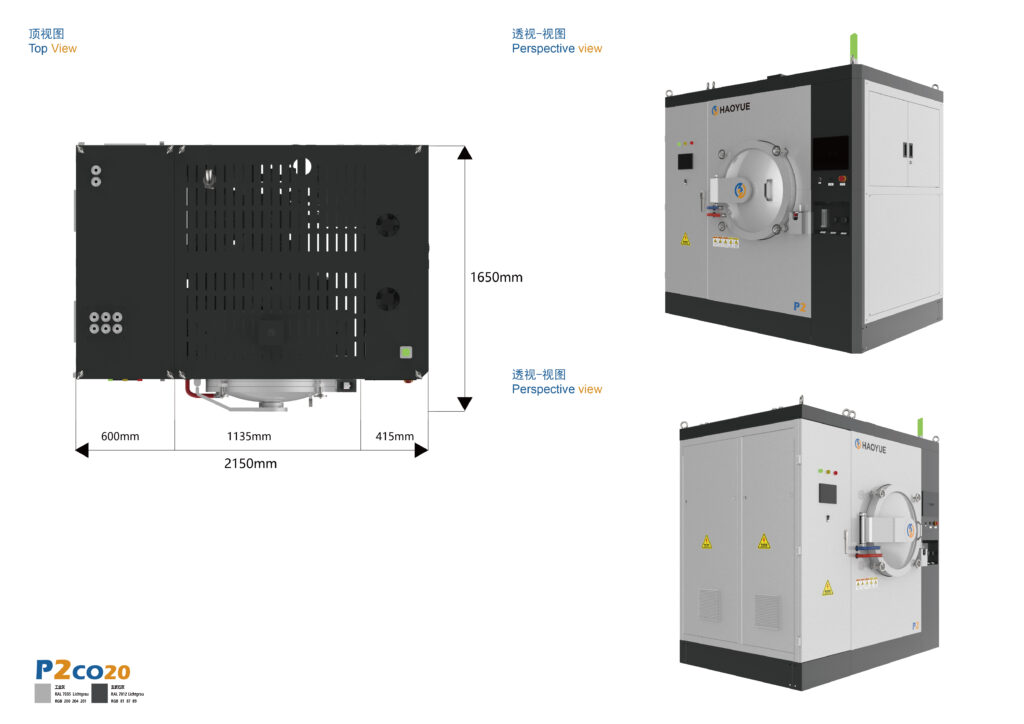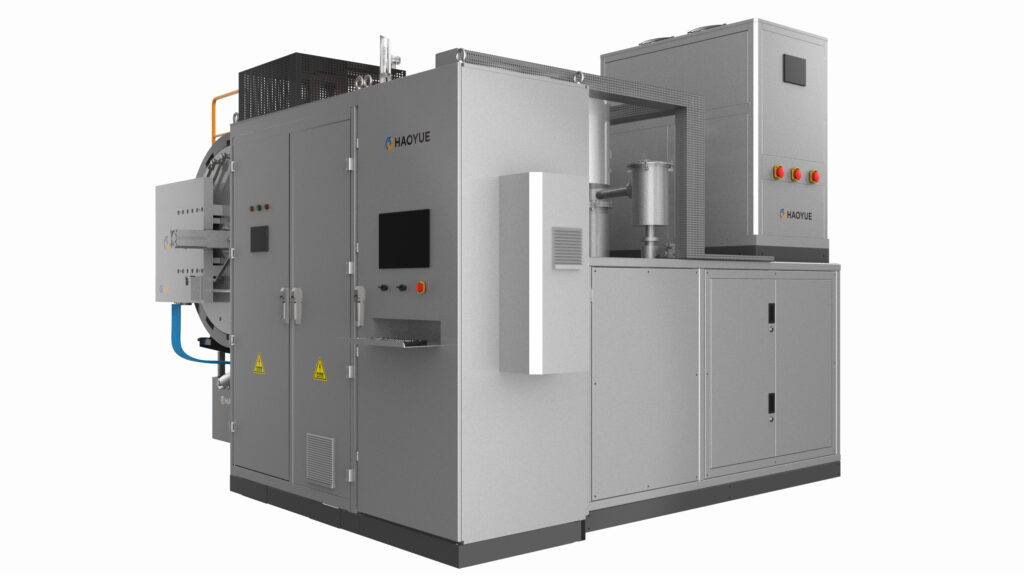






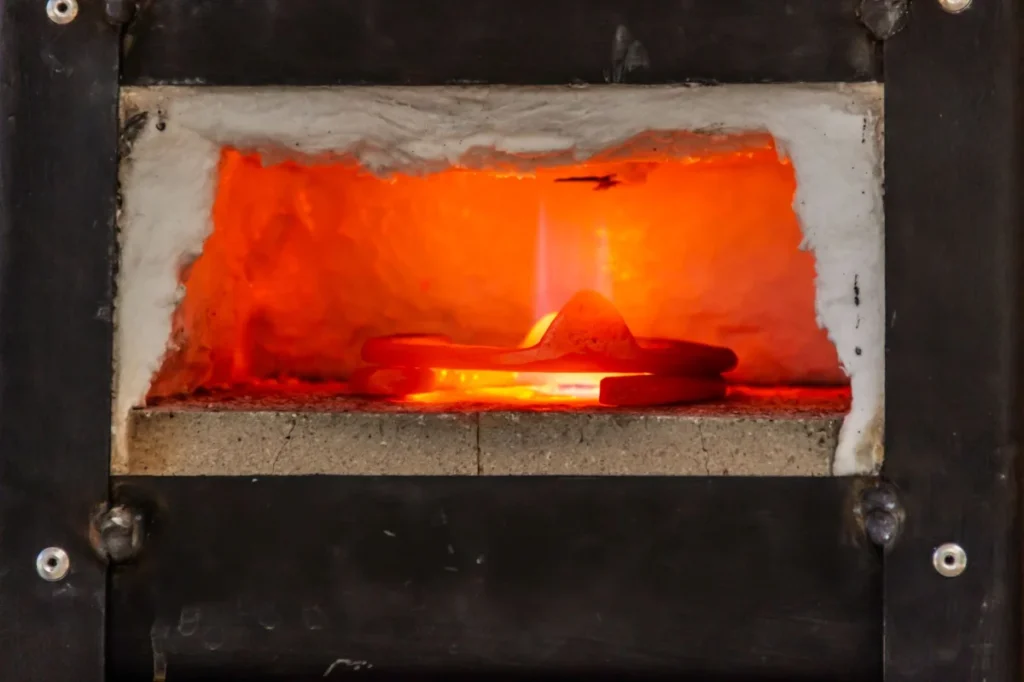
In high-precision manufacturing, selecting the optimal thermal processing environment is critical to achieving superior material properties. When evaluating thermal options, comparing a vacuum furnace vs atmosphere furnace reveals that vacuum environments eliminate atmospheric contaminants, prevent oxidation, and allow for precise temperature uniformity. As a leading vacuum furnace manufacturer, we understand that modern engineering demands customized thermal solutions. From aerospace components to medical devices, selecting the right heating technology is the foundation of structural integrity.
Advanced Consolidation: Sintering Technologies
Advanced powder metallurgy and technical ceramics rely heavily on the vacuum sintering process to achieve near-theoretical density. For instance, high-performance structural ceramics require highly specialized conditions, such as silicon carbide sintering, zirconia sintering process, and alumina sintering process to prevent microstructural defects. When choosing the right consolidation technique, engineers frequently evaluate SPS vs hot pressing. While Spark Plasma Sintering offers rapid heating rates and shorter cycle times, traditional hot pressing remains highly effective for larger, uniform components. Partnering with a specialized SPS furnace manufacturer or a hot pressing furnace manufacturer ensures your equipment is tailored to these specific thermodynamic pathways.
For extreme density requirements, comparing HIP vs vacuum sintering (Hot Isostatic Pressing) is essential, prompting many advanced facilities to consult a certified HIP manufacturer to eliminate residual porosity. Additionally, understanding the nuances of vacuum sintering vs pressure sintering helps in selecting the right gas pressure sintering furnace for complex geometries, particularly in applications like tungsten carbide sintering and molybdenum sintering. These processes are critical when configuring a high-throughput carbide tool sintering furnace, a battery material sintering furnace, or a highly precise dental implant vacuum furnace.
Precision Metallurgy: Heat Treatment and Brazing
Beyond sintering, precise thermal modification is vital for metal alloys. A professional vacuum heat treatment furnace manufacturer designs systems capable of executing a flawless vacuum annealing process to relieve internal stresses, or a rapid vacuum hardening process to maximize wear resistance. These thermal cycles are especially critical in aerospace and biomedical engineering, where a dedicated aerospace vacuum furnace or an aerospace heat treatment furnace is utilized for critical titanium alloy heat treatment. Similarly, a medical implant sintering furnace must meet stringent cleanroom and metallurgical standards to ensure biocompatibility.
For joining advanced assemblies, utilizing a vacuum brazing process offers unprecedented joint strength and cleanliness compared to traditional methods. By consulting a specialized vacuum brazing furnace manufacturer, companies can transition from older methods, realizing the clear benefits of vacuum brazing vs conventional brazing, which include flux-free joints and minimal distortion.
Specialized Environments for High-Tech Applications
For highly sensitive industries, standard vacuum levels are insufficient. The microelectronics sector relies on specialized equipment like the semiconductor vacuum furnace to process wafers and sensor components without particulate contamination. When dealing with reducing atmospheres or active metal processing, a vacuum hydrogen furnace provides the necessary atmospheric control to prevent oxidation and remove surface impurities. Furthermore, choosing the correct heating element and insulation package is a vital engineering decision; comparing a graphite furnace vs molybdenum furnace is essential, as graphite offers excellent cost-to-performance ratios for high temperatures, while molybdenum is mandatory for ultra-clean, carbon-free environments. Working with an experienced vacuum sintering furnace manufacturer ensures that every variable—from chamber materials to gas-flow dynamics—is optimized for your specific industrial application.