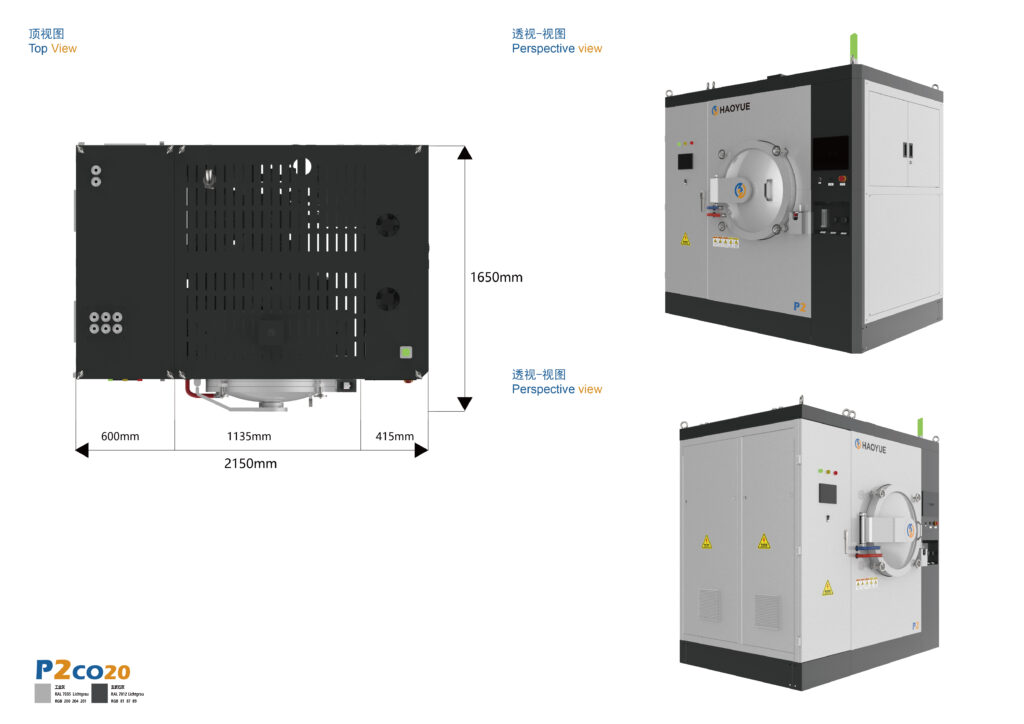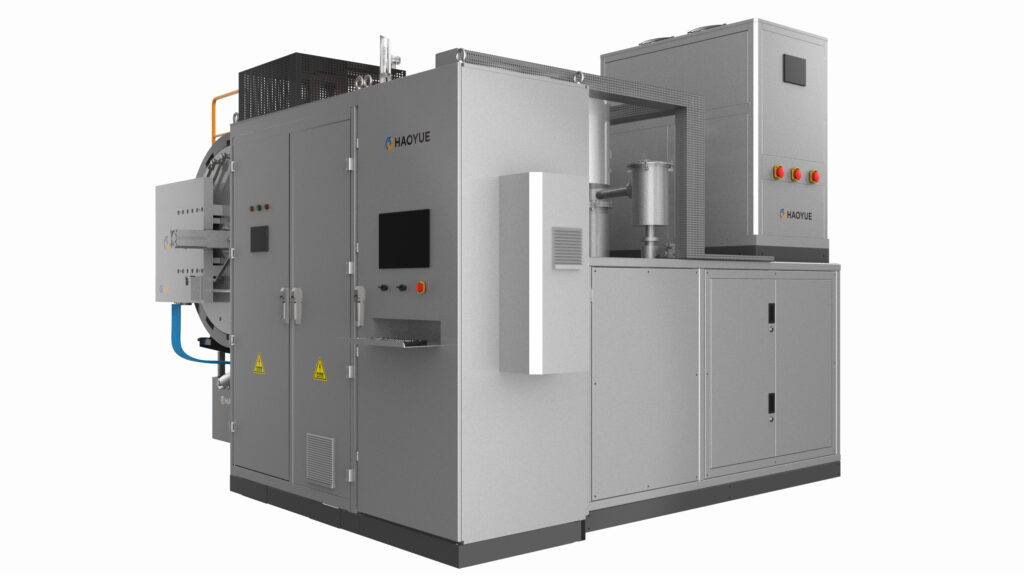






In the realm of high-performance metallurgy and advanced materials science, achieving precise thermal control is paramount. For engineers and procurement specialists, selecting the right thermal processing environment often begins with evaluating a vacuum furnace vs atmosphere furnace. While atmosphere furnaces introduce specific gases to protect or react with materials, a vacuum environment eliminates contaminants entirely, preventing oxidation and decarburization. Partnering with an experienced vacuum furnace manufacturer ensures that your facility is equipped to meet the stringent demands of modern industrial standards, delivering unparalleled consistency and material purity across diverse thermal cycles.
When dealing with advanced ceramics and powder metallurgy, selecting the appropriate compaction and consolidation method is a critical decision. Comparing SPS vs hot pressing reveals that Spark Plasma Sintering offers significantly faster heating rates and shorter cycle times than traditional hot pressing. As a leading SPS furnace manufacturer and hot pressing furnace manufacturer, we design systems that optimize these electrical and thermal pathways. For ultra-dense component manufacturing, comparing HIP vs vacuum sintering is equally vital; Hot Isostatic Pressing (HIP) utilizes high gas pressure to eliminate internal porosity, whereas the standard vacuum sintering process relies on thermal energy alone. For specialized high-density components, consulting a dedicated HIP manufacturer or integrating a gas pressure sintering furnace can provide the precise pressure-assisted sintering required for extreme environments.
The selection of sintering equipment directly influences the microstructural integrity of advanced materials. For instance, high-temperature structural ceramics require specialized thermal profiles, such as those found in silicon carbide sintering, zirconia sintering process, and alumina sintering process. Similarly, heavy-duty industrial components rely on precise tungsten carbide sintering and molybdenum sintering to achieve maximum hardness and wear resistance. When evaluating vacuum sintering vs pressure sintering, engineers must balance the simplicity of vacuum systems with the superior densification offered by overpressure systems. A premier vacuum sintering furnace manufacturer can customize the internal hot zone to match these specific material properties, helping operators choose between a graphite furnace vs molybdenum furnace depending on the maximum operating temperature, carbon sensitivity, and cleanroom requirements of the application.
Beyond sintering, high-vacuum systems are indispensable for joining and surface modification. Comparing vacuum brazing vs conventional brazing highlights the superior joint strength, lack of flux entrapment, and clean aesthetics achieved under vacuum. Implementing a reliable vacuum brazing process via an advanced system from a certified vacuum brazing furnace manufacturer ensures leak-tight joints for complex assemblies. For thermal processing of reactive metals, a specialized vacuum hydrogen furnace provides a reducing atmosphere to eliminate oxides, which is critical during titanium alloy heat treatment, vacuum annealing process, and vacuum hardening process. Working with a trusted vacuum heat treatment furnace manufacturer guarantees that your equipment can handle rapid quenching and precise ramp rates without compromising structural integrity.
Industrial applications demand tailored solutions that cater to specific sector standards. In highly regulated fields, the choice of thermal equipment is non-negotiable. The aviation sector relies on an aerospace vacuum furnace and aerospace heat treatment furnace to certify turbine blades and structural components under strict AMS2750 specifications. In healthcare, a specialized medical implant sintering furnace or a compact dental implant vacuum furnace is utilized to process biocompatible titanium and zirconia structures. Meanwhile, the energy and electronics sectors utilize a battery material sintering furnace to optimize anode/cathode powders, a carbide tool sintering furnace for heavy-duty machining inserts, and an ultra-clean semiconductor vacuum furnace to process wafers and high-purity electronic components without particulate contamination.
Ultimately, investing in high-specification thermal processing equipment requires a deep understanding of material interactions, cycle times, and mechanical requirements. Whether your facility needs to scale up production with a high-capacity vacuum system or implement precise sintering protocols for niche aerospace components, aligning with a global technology partner is the key to operational excellence. By selecting the right furnace configuration and processing parameters, manufacturers can guarantee superior mechanical properties, minimal distortion, and unmatched operational efficiency for years to come.