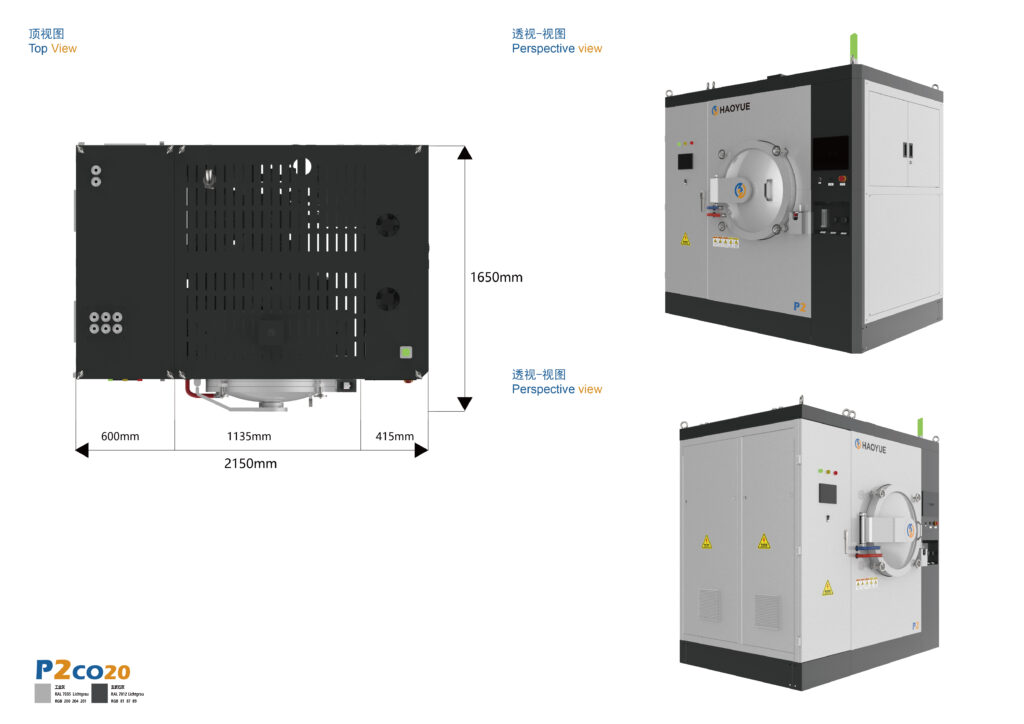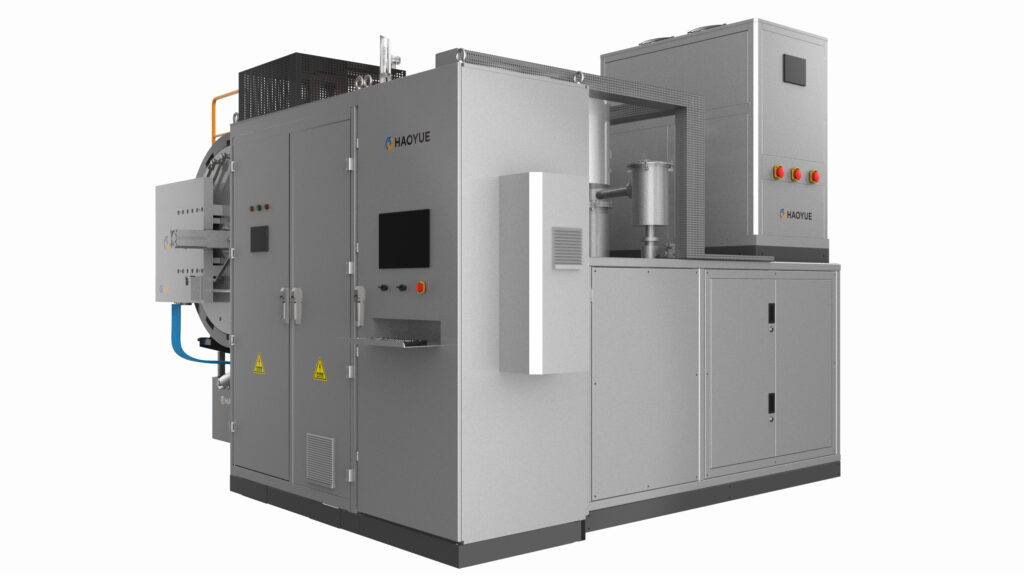






In the high-precision world of modern metallurgy and advanced ceramics, achieving superior material properties requires absolute control over thermal environments. As a globally recognized vacuum furnace manufacturer, we understand that selecting the right thermal processing system is a critical decision for engineers and procurement specialists alike. Whether your operations require the high-purity environment of a semiconductor vacuum furnace or the specialized reducing atmosphere of a vacuum hydrogen furnace, understanding the underlying thermodynamics and system configurations is key to optimizing production yield and material performance.
Advancements in Sintering Technology and Material Optimization
The evolution of powder metallurgy and technical ceramics has driven significant innovations in sintering methodologies. Optimizing the vacuum sintering process is essential for consolidating powder compacts into high-density, high-performance components. For instance, demanding thermal profiles for silicon carbide sintering require precise temperature uniformity and atmosphere control to prevent grain growth while maximizing density. Similarly, the zirconia sintering process and the alumina sintering process demand highly stable thermal cycles to avoid micro-cracking and ensure optimal optical and mechanical properties in the final parts.
For refractory metals and heavy alloys, achieving near-theoretical density in tungsten carbide sintering and managing the high-temperature demands of molybdenum sintering require robust furnace designs capable of operating reliably above 1600°C. In cases where standard vacuum cycles are insufficient to eliminate closed porosity, deploying a gas pressure sintering furnace can assist in achieving full densification through active pressure application during the heating cycle.
Comparative Analysis of Sintering Methodologies
When selecting a sintering route, engineers must weigh the advantages of various compaction and heating mechanisms. Analyzing the efficiency and kinematic differences of SPS vs hot pressing (Spark Plasma Sintering vs Hot Pressing) reveals that SPS offers significantly faster cycle times and lower sintering temperatures by utilizing pulsed direct current. Furthermore, when evaluating structural integrity for critical components, comparing HIP vs vacuum sintering (Hot Isostatic Pressing) is vital; HIP combines high pressure and temperature to eliminate internal voids, whereas standard vacuum sintering relies purely on thermal diffusion. Understanding the kinematics of vacuum sintering vs pressure sintering allows manufacturers to select the most cost-effective method based on their specific density and mechanical property requirements.
Precision Heat Treatment and Brazing Processes
Beyond sintering, precise thermal processing is crucial for modifying the microstructure of machined or cast components. Relieving residual stresses using the vacuum annealing process restores ductility to cold-worked metals, while enhancing wear resistance through the vacuum hardening process ensures long-term component durability. These processes are particularly critical for advanced materials, defining the strict parameters required for titanium alloy heat treatment in aerospace and medical applications.
Joining technology has also been revolutionized by vacuum thermal processing. Achieving high-strength, flux-free joints via the vacuum brazing process prevents oxidation and eliminates the need for post-braze cleaning. When analyzing assembly methods, the superior joint quality and cleanliness of vacuum brazing vs conventional brazing make vacuum systems the clear choice for high-reliability applications.
System Configurations: Engineering the Ideal Thermal Environment
Choosing the correct furnace configuration directly impacts operational efficiency and product quality. Understanding the fundamental operational differences of vacuum furnace vs atmosphere furnace systems is the first step: vacuum systems prevent oxidation and contamination, whereas atmosphere furnaces introduce specific gases at ambient pressures. Within vacuum systems, the hot zone construction is a primary differentiator. Comparing a graphite furnace vs molybdenum furnace shows that graphite hot zones offer excellent thermal efficiency and cost advantages for structural steels and carbides, while molybdenum hot zones provide the ultra-clean, carbon-free environment necessary for medical, aerospace, and semiconductor applications.
Industry-Specific Applications
Different industrial sectors demand highly specialized thermal solutions tailored to their unique regulatory and material standards:
- Aerospace: Meeting the strict pyrometry and quality standards of an aerospace vacuum furnace is critical for turbine blades and structural components. Utilizing a certified aerospace heat treatment furnace ensures compliance with AMS2750 standards.
- Medical & Dental: Biocompatibility and structural integrity are achieved via a medical implant sintering furnace, while dental restorations require the aesthetic and structural perfection delivered by a specialized dental implant vacuum furnace.
- Energy: Advanced energy storage technologies rely on precise solid-state electrolyte production within a specialized battery material sintering furnace.
- Tooling: Maximizing tool life and cutting performance is achieved using a dedicated carbide tool sintering furnace.
Selecting the Right Equipment Partner
Partnering with a premier vacuum sintering furnace manufacturer ensures that your equipment is engineered to meet precise metallurgical standards. Depending on your specific process technology, consulting an experienced SPS furnace manufacturer or working with a specialized hot pressing furnace manufacturer can unlock new manufacturing capabilities. For ultra-high-density requirements, evaluating options from a tier-one HIP manufacturer is recommended. Additionally, collaborating with a certified vacuum heat treatment furnace manufacturer or sourcing from a dedicated vacuum brazing furnace manufacturer ensures that your thermal processing systems are fully optimized for your production volume, temperature requirements, and material specifications.