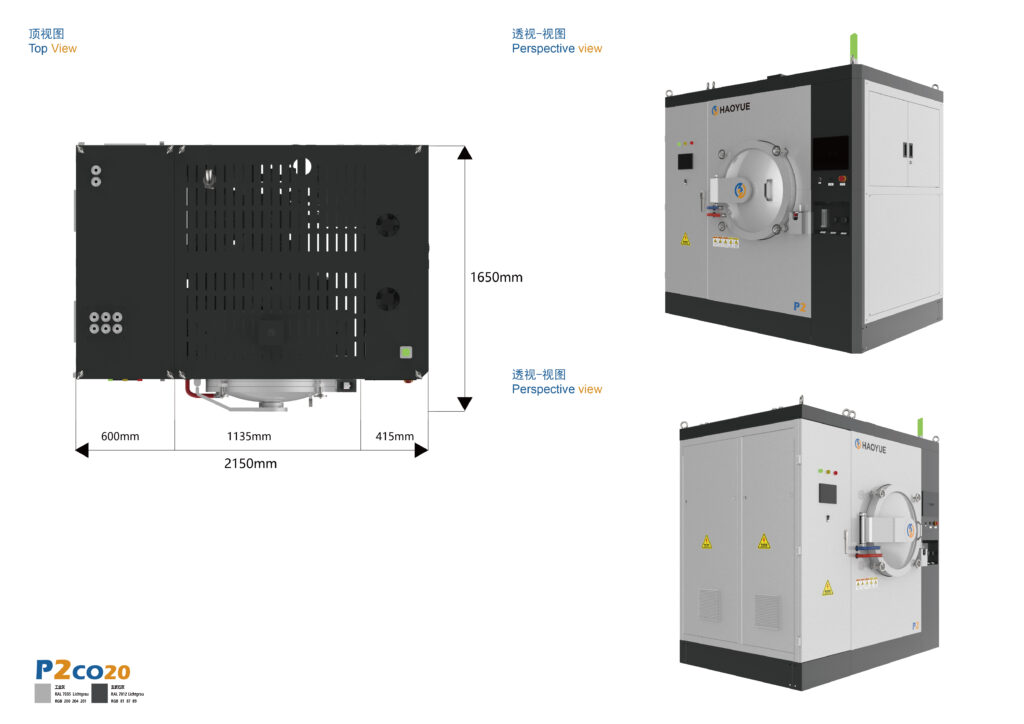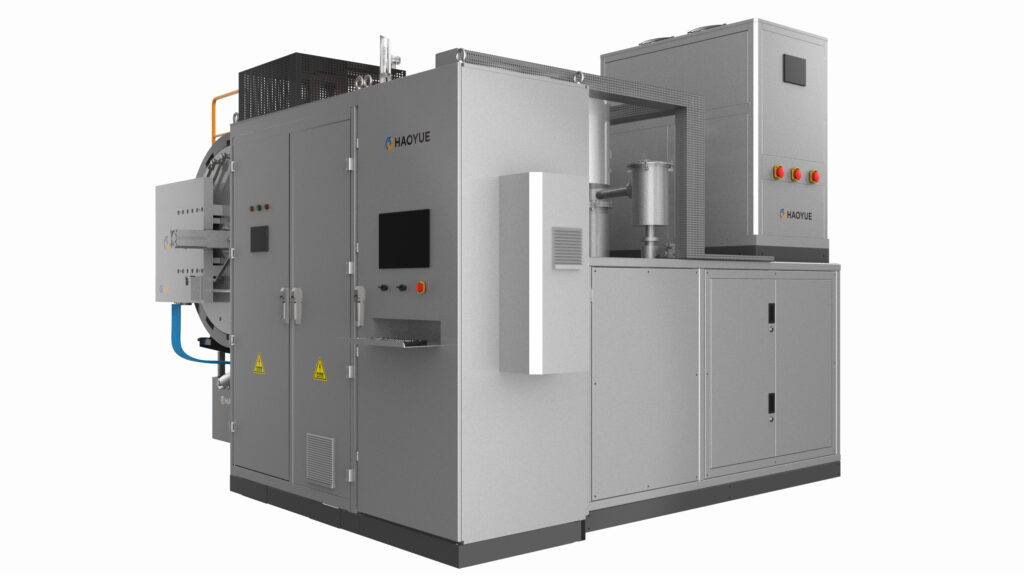







In modern metallurgy and advanced material science, selecting the right thermal processing system is a critical decision for engineers and procurement specialists. When evaluating options, working with an experienced vacuum furnace manufacturer or a specialized vacuum sintering furnace manufacturer ensures access to the precise thermal profiles required for high-performance components. One of the fundamental decisions in facility design is comparing a vacuum furnace vs atmosphere furnace; while atmosphere systems rely on purging gases, vacuum systems eliminate impurities entirely, making them indispensable for high-purity applications.
Advanced sintering processes have revolutionized the production of technical ceramics and powder metals. For instance, silicon carbide sintering, zirconia sintering process, and alumina sintering process demand extreme thermal uniformity and precise pressure control to optimize the overall vacuum sintering process. For manufacturers evaluating consolidation technologies, understanding SPS vs hot pressing is vital. Spark Plasma Sintering offers rapid heating rates, leading many to seek a specialized SPS furnace manufacturer, whereas traditional hot pressing remains a staple, supported by a reliable hot pressing furnace manufacturer.
In demanding fields like medical manufacturing, selecting a dedicated medical implant sintering furnace or a dental implant vacuum furnace is critical for ensuring biocompatibility and density. Furthermore, comparing HIP vs vacuum sintering (Hot Isostatic Pressing) helps engineers decide whether post-sintering densification is necessary. Evaluating vacuum sintering vs pressure sintering is also essential for materials prone to decomposition at high temperatures. Partnering with a leading HIP manufacturer can elevate mechanical properties to near-theoretical density, which is particularly crucial for severe-service environments, such as those utilizing a carbide tool sintering furnace for tungsten carbide sintering.
High-temperature material synthesis often requires specialized atmospheres and chamber designs. Choosing between a graphite furnace vs molybdenum furnace depends heavily on the sensitivity of the workload to carbon contamination. For refractory metals, molybdenum sintering is highly optimized in metal-hot-zone systems, while a vacuum hydrogen furnace is excellent for reducing oxides during thermal processing. Additionally, a gas pressure sintering furnace is often employed when high gas pressures are required to prevent thermal dissociation during sintering. These systems are highly sought after, especially when configuring a battery material sintering furnace for next-generation energy storage.
For structural components, post-processing heat treatments are just as vital. Leading companies rely on a certified vacuum heat treatment furnace manufacturer to deliver systems capable of precise titanium alloy heat treatment, vacuum annealing process, and vacuum hardening process cycles. In the aerospace sector, safety-critical parts must be processed in an ITAR-compliant aerospace vacuum furnace or an aerospace heat treatment furnace to guarantee zero-defect results and optimal fatigue resistance.
Joining technologies have also evolved, with a shift toward advanced brazing. Comparing vacuum brazing vs conventional brazing highlights the superior joint strength and clean aesthetics achieved without flux in a vacuum. By partnering with a vacuum brazing furnace manufacturer, companies can master the vacuum brazing process for complex assemblies. This is highly applicable in electronic packaging, where a semiconductor vacuum furnace plays a pivotal role in void-free soldering, wafer-level packaging, and advanced sensor assembly.