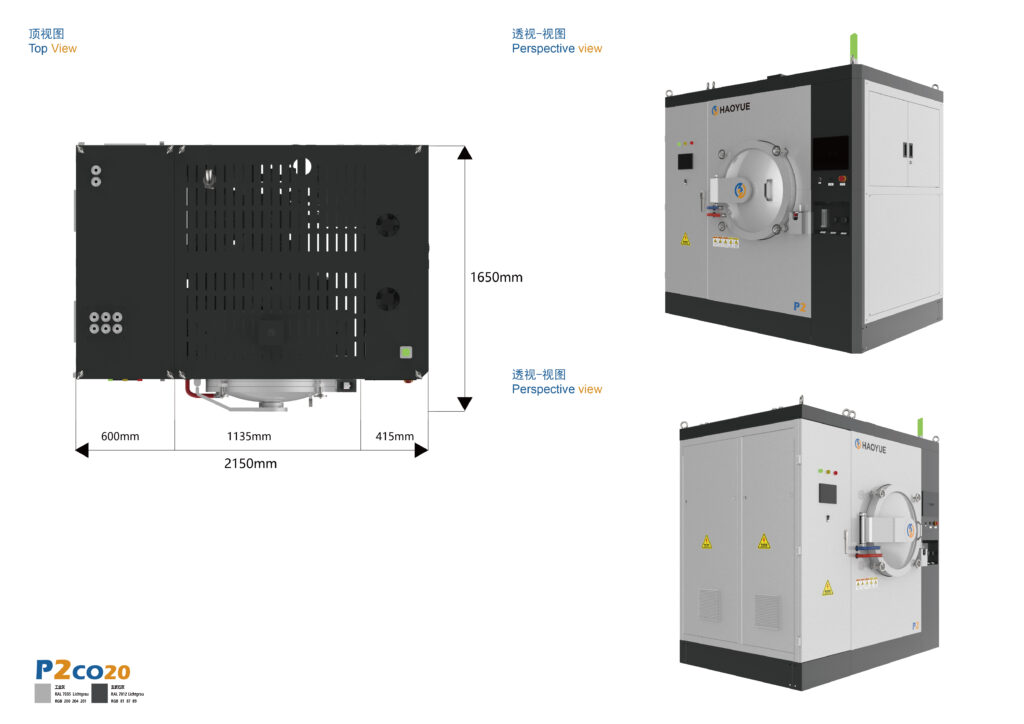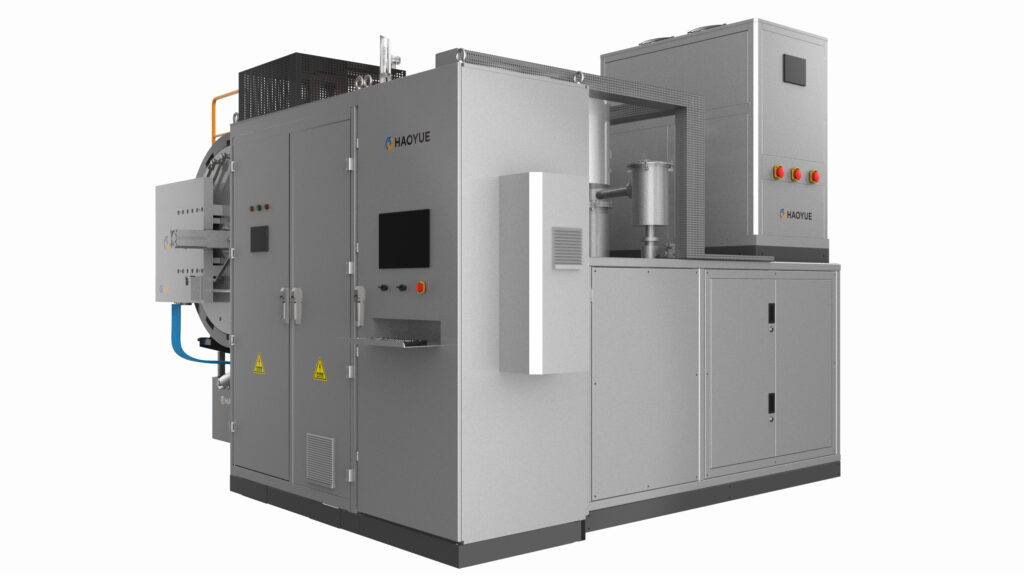






In the rapidly evolving landscape of advanced metallurgy and material science, selecting the right thermal processing equipment is paramount to achieving superior material properties. As a leading vacuum furnace manufacturer, we understand the critical decisions engineers face when optimizing their thermal cycles. When evaluating vacuum furnace vs atmosphere furnace technologies, the vacuum environment consistently emerges as the superior choice for preventing oxidation, eliminating contamination, and ensuring precise temperature uniformity. To meet these stringent industrial demands, partnering with an experienced vacuum heat treatment furnace manufacturer is the first step toward securing reliable, high-performance thermal systems that elevate production standards.
Unlocking Material Potential with Advanced Vacuum Sintering
The vacuum sintering process plays a pivotal role in consolidating powder compacts into high-density, high-purity components. For specialized ceramics and refractory metals, precise thermal profiling is non-negotiable. For instance, achieving theoretical density during silicon carbide sintering requires precise atmospheric control, while a dedicated zirconia sintering process or alumina sintering process ensures flawless mechanical properties for electronic and structural applications.
Furthermore, heavy-duty applications demand specialized solutions. A premier vacuum sintering furnace manufacturer designs systems capable of executing complex thermal profiles, such as those required for high-strength tungsten carbide sintering and high-temperature molybdenum sintering. For materials requiring extra compaction force during thermal processing, utilizing a gas pressure sintering furnace provides the added overpressure necessary to eliminate residual porosity, bridging the gap between conventional sintering and hot pressing.
Sintering Methodology Comparisons: Making the Right Choice
Selecting the appropriate sintering technique requires a deep understanding of process trade-offs. When comparing SPS vs hot pressing, Spark Plasma Sintering (SPS) offers rapid heating rates and shorter cycle times compared to traditional uniaxial hot pressing. As an established SPS furnace manufacturer and hot pressing furnace manufacturer, we help clients evaluate these technologies alongside options from a specialized HIP manufacturer (Hot Isostatic Pressing).
Understanding the differences between HIP vs vacuum sintering is crucial; while vacuum sintering is highly cost-effective for complex geometries, HIP provides unmatched density by applying omnidirectional gas pressure. Similarly, analyzing vacuum sintering vs pressure sintering helps engineers balance throughput requirements against the mechanical performance of the final component. Additionally, choosing the correct heating element configuration—such as evaluating a graphite furnace vs molybdenum furnace—is essential, as graphite offers robust cost-efficiency at extreme temperatures, whereas molybdenum ensures an ultra-clean, carbon-free environment.
High-Performance Brazing and Heat Treatment Solutions
For structural assemblies requiring high-strength joints, working with a certified vacuum brazing furnace manufacturer is critical. The vacuum brazing process offers immense benefits when comparing vacuum brazing vs conventional brazing, as it eliminates the need for corrosive fluxes, reduces distortion, and produces exceptionally clean, leak-tight joints.
Beyond brazing, precise thermal modification is achieved through advanced heat treatment cycles. Implementing a controlled vacuum annealing process relieves internal stresses in cold-worked metals, while a precise vacuum hardening process maximizes wear resistance. For reactive metals, specialized titanium alloy heat treatment cycles must be conducted under high vacuum to prevent embrittlement. In cases where reducing atmospheres are required to remove oxides, a high-purity vacuum hydrogen furnace provides the ultimate solution for clean, bright annealing and sintering.
Tailored Solutions for High-Tech Industries
Modern manufacturing sectors require highly customized thermal processing environments. In the aerospace sector, components must withstand extreme environments, making the choice of an aerospace vacuum furnace or an aerospace heat treatment furnace critical for meeting Nadcap standards. The medical sector demands absolute purity, which is why a specialized medical implant sintering furnace or a high-precision dental implant vacuum furnace is used to process biocompatible titanium and zirconia components.
In the rapidly expanding electronics and energy sectors, the demand for specialized equipment is surging. A high-purity semiconductor vacuum furnace is essential for wafer processing and advanced packaging, while a high-capacity battery material sintering furnace ensures the consistent electrochemical performance of active materials. Finally, for the tooling industry, a dedicated carbide tool sintering furnace delivers the extreme hardness and wear resistance required for modern cutting and drilling applications.