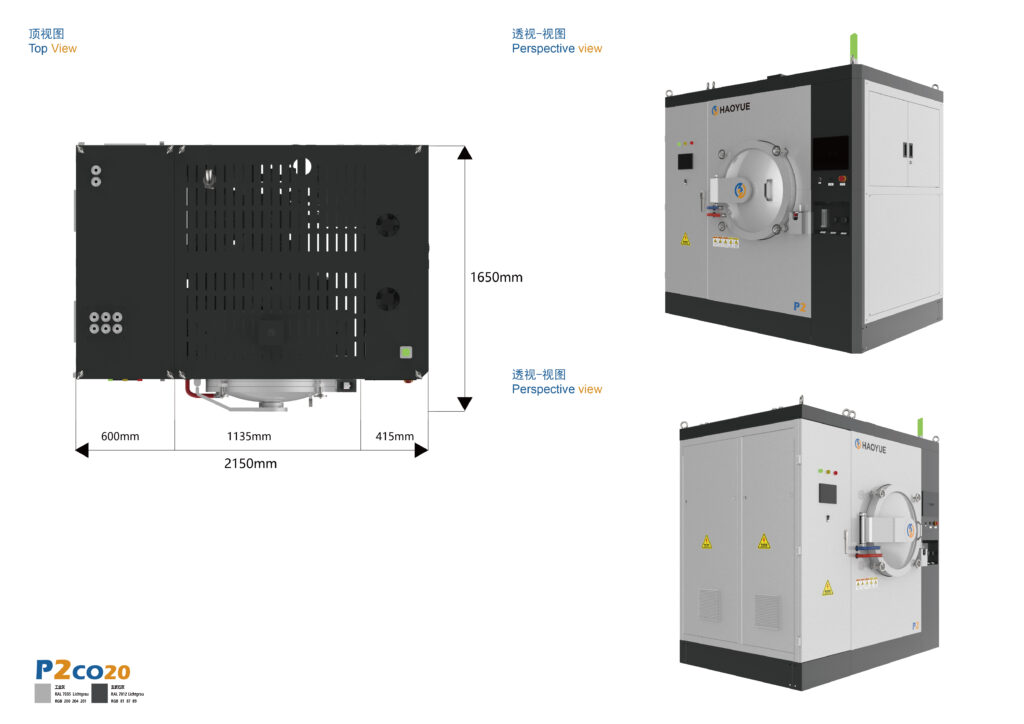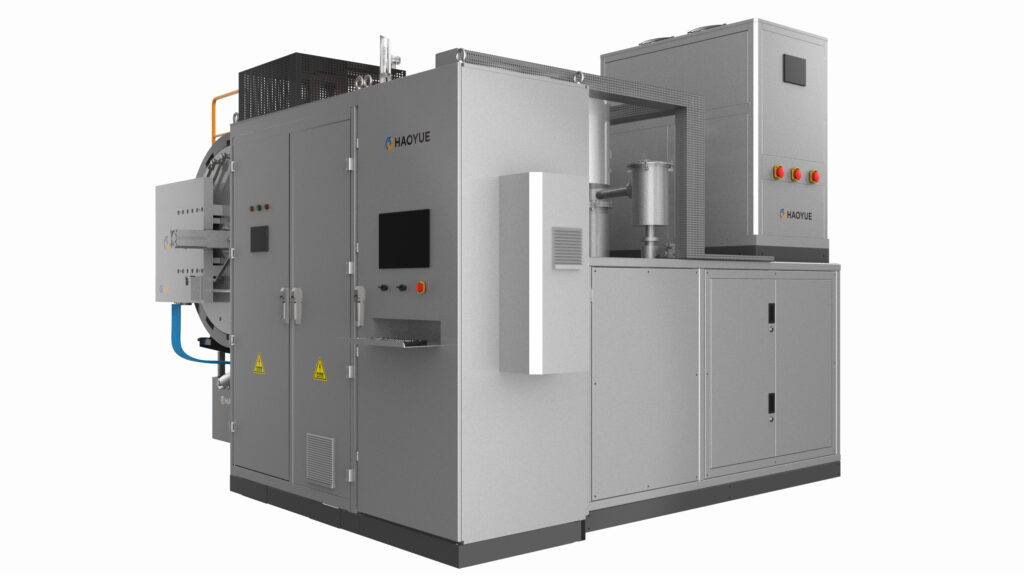






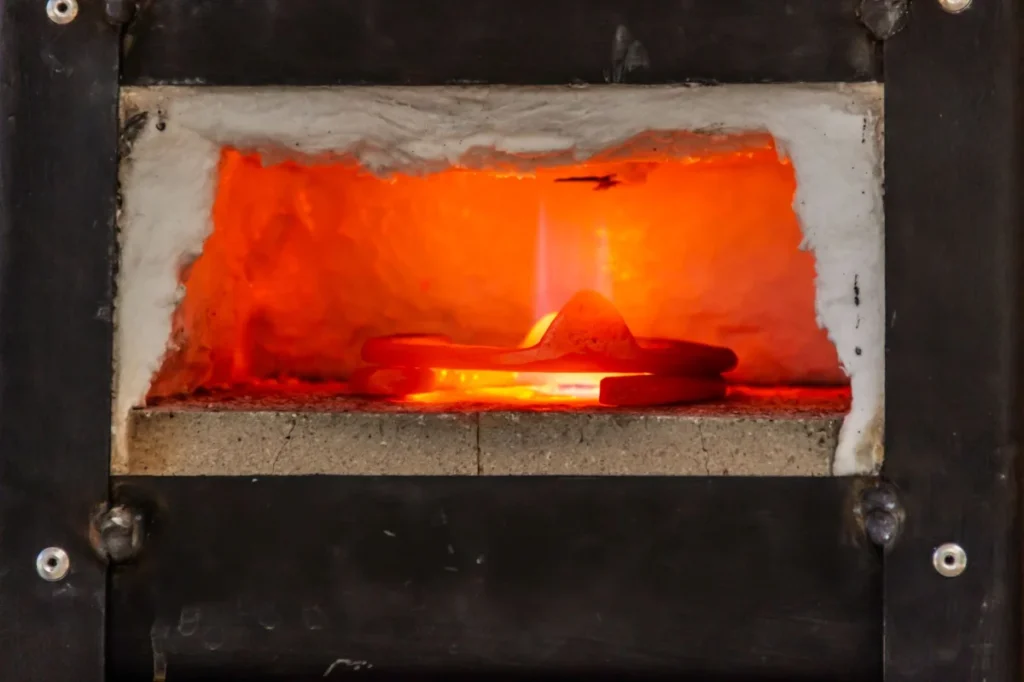
In the rapidly evolving landscape of advanced metallurgy, technical ceramics, and precision engineering, achieving optimal material properties requires absolute control over the thermal environment. As a leading vacuum furnace manufacturer, we design thermal processing systems that eliminate atmospheric contamination, prevent oxidation, and deliver unparalleled temperature uniformity. For industrial buyers and engineers, selecting the correct thermal processing technology is a critical decision that directly influences mechanical performance, microstructural integrity, and production yield.
Sintering Dynamics: Densification of Advanced Materials
Sintering is the cornerstone of powder metallurgy and technical ceramics. To achieve near-theoretical density in high-performance materials, engineers must carefully evaluate different consolidation techniques. When analyzing vacuum sintering vs pressure sintering, the choice often depends on the material’s sensitivity to residual porosity and the required mechanical strength. For instance, achieving high density in silicon carbide sintering requires extremely high temperatures and precise atmosphere control to prevent decomposition. Similarly, refining the alumina sintering process for wear-resistant components, or mastering the zirconia sintering process for structural applications, relies heavily on precise heating profiles to control grain growth.
For ultra-dense and high-strength parts, specialized sintering technologies offer distinct pathways. Comparing SPS vs hot pressing (Spark Plasma Sintering vs Hot Pressing) reveals that SPS utilizes pulsed direct current to achieve rapid consolidation in minutes rather than hours, minimizing grain growth. Consulting with a specialized SPS furnace manufacturer can help identify if this rapid field-assisted technology is suitable for your materials, while an experienced hot pressing furnace manufacturer can customize systems for larger, more conventional uniaxial pressing requirements. For the most demanding applications, analyzing HIP vs vacuum sintering (Hot Isostatic Pressing) is necessary; working with an established HIP manufacturer allows producers to eliminate internal voids in critical components through simultaneous high temperature and isostatic gas pressure.
Vacuum Brazing and Heat Treatment: Precision Joining and Hardening
Thermal processing extends beyond sintering into joining and surface modification. When comparing vacuum brazing vs conventional brazing, the primary advantage of the vacuum environment is the elimination of corrosive fluxes, resulting in clean, oxide-free joints with superior fatigue resistance. The vacuum brazing process is widely adopted for joining complex assemblies, such as compact heat exchangers and medical assemblies. Selecting a certified vacuum brazing furnace manufacturer ensures that your equipment is engineered with the precise vacuum levels and temperature uniformity needed for repeatable, high-strength joints.
For structural modifications, deciding between a vacuum furnace vs atmosphere furnace depends on the material’s reactivity. A vacuum environment prevents decarburization and oxidation, making it indispensable for high-value alloys. Implementing a precise vacuum hardening process ensures extreme hardness and wear resistance without surface degradation. For stress relief and microstructure refinement, the vacuum annealing process restores ductility to cold-worked metals. Furthermore, meeting the demanding specifications of titanium alloy heat treatment requires strict adherence to cooling rates and vacuum levels to prevent hydrogen embrittlement and alpha-case formation, which a qualified vacuum heat treatment furnace manufacturer can guarantee through custom-engineered cooling systems.
Hot Zone Engineering and Specialized Atmospheres
The core of any vacuum thermal system is its hot zone design. When specifying equipment, comparing a graphite furnace vs molybdenum furnace is a fundamental engineering decision. Graphite hot zones offer robust, cost-effective performance for high-temperature carbon-tolerant materials, making them ideal for tungsten carbide sintering and general powder metallurgy. Conversely, molybdenum metal hot zones are mandatory for carbon-sensitive materials, such as those processed during high-purity molybdenum sintering or sensitive electronic components.
For processes requiring active reduction atmospheres, utilizing a vacuum hydrogen furnace allows for the safe introduction of hydrogen gas to remove oxides from refractory metals. Alternatively, deploying a gas pressure sintering furnace provides the overpressure required to suppress thermal dissociation during the sintering of silicon nitride and other advanced covalently bonded ceramics.
Industry-Specific Thermal Solutions
Different industrial sectors demand highly tailored thermal processing configurations to meet stringent regulatory and quality standards:
- Aerospace: Critical turbine components rely on the utilization of an aerospace vacuum furnace for high-temperature alloy processing. Certifying an aerospace heat treatment furnace to Nadcap standards ensures absolute traceability and process control.
- Medical & Dental: Deploying a specialized medical implant sintering furnace is crucial for producing biocompatible orthopedic implants. Similarly, dental laboratories rely on precision heating in a dental implant vacuum furnace to sinter zirconia restorations with perfect translucency and fit.
- Semiconductors & Energy: Integrating a high-purity semiconductor vacuum furnace into the production line ensures contaminant-free processing of wafers and wafer-handling components. For energy storage, scaling production with a dedicated battery material sintering furnace optimizes the electrochemical performance of anode and cathode powders.
- Tooling: Manufacturers of cutting tools rely on a high-throughput carbide tool sintering furnace to produce ultra-hard indexable inserts with consistent wear characteristics.
Partnering with an experienced vacuum sintering furnace manufacturer ensures that your thermal processing equipment is precisely engineered for your specific material science challenges, delivering the reliability, efficiency, and microstructural control required in modern high-tech manufacturing.