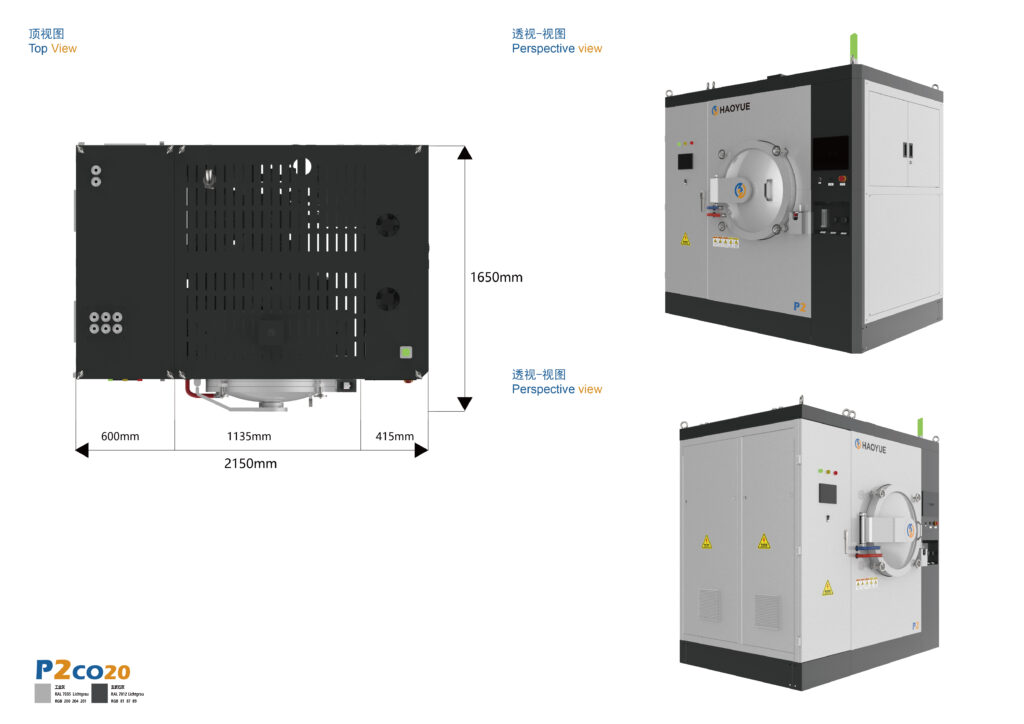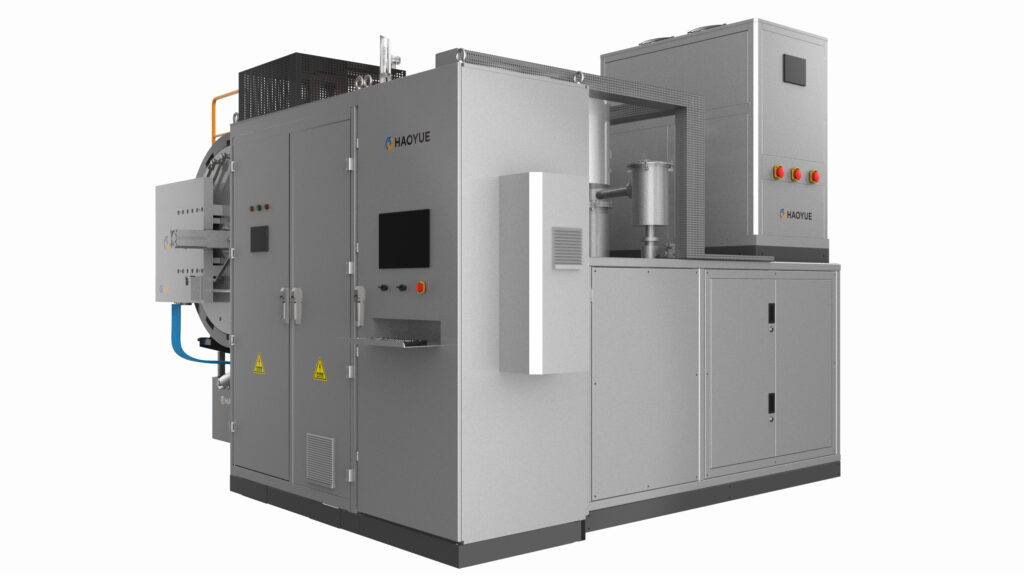






In the demanding landscape of modern manufacturing, precision and material integrity are paramount. Industrial equipment buyers, engineers, and industry practitioners consistently seek advanced solutions for material processing. This pursuit often leads to the indispensable realm of vacuum furnaces, which are central to sophisticated applications like the vacuum sintering process and various heat treatment methodologies. As a leading vacuum furnace manufacturer, we understand the critical nuances that differentiate high-performance materials, from aerospace components to medical implants.
The vacuum sintering process is a cornerstone for producing high-density, high-purity materials with superior mechanical properties. A specialized vacuum sintering furnace manufacturer provides equipment capable of precisely controlling temperature and atmosphere, crucial for advanced materials such as silicon carbide sintering, zirconia sintering process, and alumina sintering process. For applications demanding even greater densification, the choice between HIP vs vacuum sintering or vacuum sintering vs pressure sintering becomes vital, often dictating the final product’s performance. Furthermore, the ability to perform tungsten carbide sintering and molybdenum sintering under vacuum conditions ensures optimal material characteristics, free from oxidation and contamination.
Beyond sintering, the vacuum heat treatment furnace manufacturer plays a pivotal role in enhancing the mechanical properties of metals. Processes like vacuum annealing process and vacuum hardening process are fundamental for aerospace and automotive industries, especially for materials requiring precise microstructural control such as titanium alloy heat treatment. An aerospace vacuum furnace or aerospace heat treatment furnace ensures components meet the stringent safety and performance standards of the aviation sector. The clear advantages of a vacuum furnace vs atmosphere furnace in terms of cleanliness, uniformity, and reduced distortion make vacuum technology the preferred choice for critical applications.
Specialized vacuum technologies further broaden the horizons of material processing. For instance, an SPS furnace manufacturer or hot pressing furnace manufacturer offers equipment for Spark Plasma Sintering and Hot Pressing, which are rapid densification techniques. Understanding the distinctions between SPS vs hot pressing is crucial for optimizing processing times and material properties. The gas pressure sintering furnace is another advanced solution for achieving full density in challenging materials. For high-tech sectors, a semiconductor vacuum furnace or vacuum hydrogen furnace is essential for producing components with ultra-high purity. These furnaces are indispensable for diverse applications, from medical implant sintering furnace and dental implant vacuum furnace to battery material sintering furnace and carbide tool sintering furnace.
The art of joining materials also benefits immensely from vacuum technology. The vacuum brazing process, facilitated by a dedicated vacuum brazing furnace manufacturer, offers superior joint strength and integrity compared to vacuum brazing vs conventional brazing. This process is particularly valuable for complex assemblies where precision and cleanliness are critical. When considering the furnace construction, the choice between a graphite furnace vs molybdenum furnace can impact process temperature, atmosphere compatibility, and overall cost-efficiency, tailored to specific material requirements. For demanding applications, selecting an experienced HIP manufacturer (Hot Isostatic Pressing) ensures the highest level of material densification and defect elimination.
Ultimately, investing in a high-quality vacuum furnace from a reputable vacuum furnace manufacturer is an investment in the future of material science and engineering. Whether the need is for a semiconductor vacuum furnace, a system for titanium alloy heat treatment, or a medical implant sintering furnace, the precision, purity, and performance offered by these advanced systems are unparalleled. Partnering with an expert ensures access to cutting-edge technology and tailored solutions that drive innovation and maintain a competitive edge in today’s global industrial market.
Frequently Asked Questions
What is the main advantage of using vacuum furnaces in material processing?
Vacuum furnaces offer superior control over temperature and atmosphere, which is crucial for producing high-density, high-purity materials. This control ensures that materials like silicon carbide and zirconia achieve optimal mechanical properties, free from oxidation and contamination, making them ideal for critical applications in aerospace and medical industries.
How does vacuum sintering differ from pressure sintering?
Vacuum sintering focuses on maintaining a controlled atmosphere to prevent contamination, while pressure sintering applies external pressure to enhance densification. The choice between them depends on the specific material properties desired, with pressure sintering often used for achieving greater densification in challenging materials.
Why is vacuum heat treatment preferred in aerospace applications?
Vacuum heat treatment is preferred because it offers precise microstructural control, essential for meeting the stringent safety and performance standards in aerospace. The process ensures cleanliness, uniformity, and reduced distortion in materials like titanium alloys, which are critical for aerospace components.
What role does vacuum technology play in the brazing process?
Vacuum brazing provides superior joint strength and cleanliness compared to conventional brazing. It is particularly valuable for complex assemblies where precision is crucial. This process ensures that joints are free from oxidation and contamination, resulting in stronger and more reliable connections.
How do SPS and hot pressing differ in material processing?
Spark Plasma Sintering (SPS) and hot pressing are both rapid densification techniques, but they differ in their approach. SPS uses electrical current to aid sintering, allowing faster processing times, while hot pressing relies on mechanical pressure. The choice depends on the required material properties and processing efficiency.
What considerations should be made when choosing between a graphite and a molybdenum furnace?
The choice between a graphite and molybdenum furnace depends on factors like process temperature, atmosphere compatibility, and cost-efficiency. Graphite furnaces generally handle higher temperatures, while molybdenum furnaces offer better resistance to specific atmospheres, influencing the overall cost and suitability for particular materials.