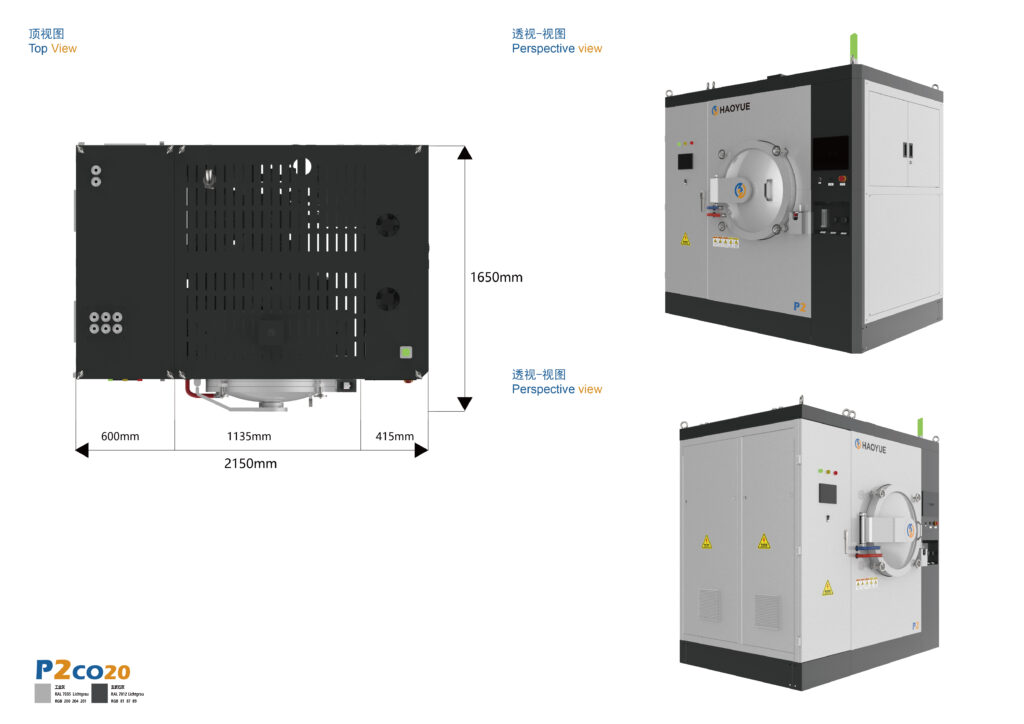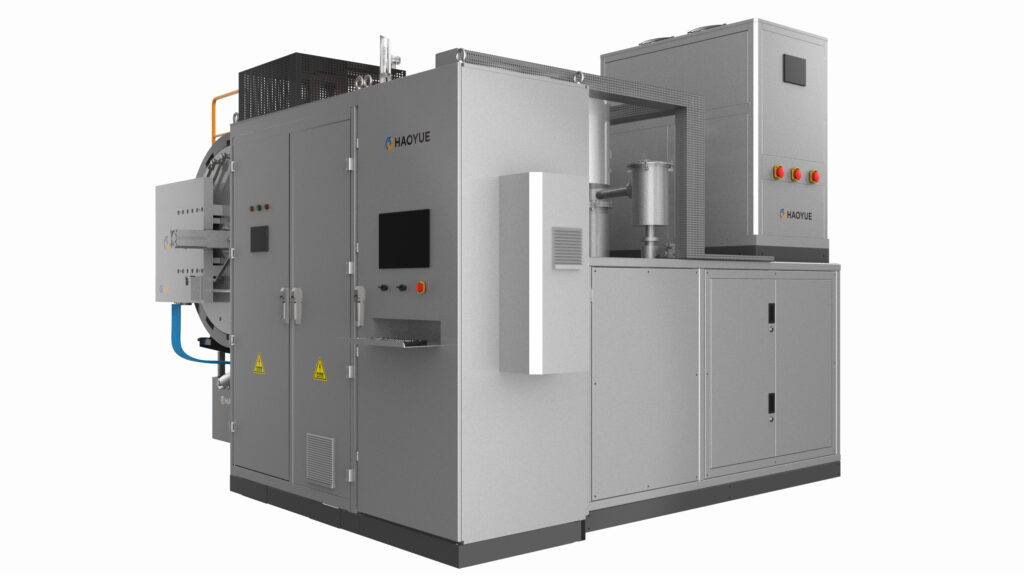






In the demanding world of advanced materials, precision and performance are paramount. Industries from aerospace to medical implants rely heavily on sophisticated metallurgical processes to achieve desired material properties. At the heart of this innovation lies the expertise of a trusted vacuum furnace manufacturer, providing state-of-the-art equipment for critical applications like the vacuum sintering process and intricate heat treatments.
The journey to creating high-performance components often begins with a specialized furnace. A leading vacuum sintering furnace manufacturer understands the nuances required for processing challenging materials. For instance, the production of durable components for medical and dental applications frequently involves a medical implant sintering furnace or a dental implant vacuum furnace, ensuring biocompatibility and structural integrity. Similarly, the advancements in electric vehicles and energy storage solutions are propelled by a reliable battery material sintering furnace, optimizing electrode materials for efficiency and longevity.
Beyond sintering, the realm of heat treatment is equally critical. A dedicated vacuum heat treatment furnace manufacturer offers solutions for a wide array of processes designed to enhance material characteristics. These include the precise vacuum annealing process, which improves ductility and reduces internal stresses, and the robust vacuum hardening process, crucial for increasing the wear resistance and strength of metals. For joining complex components, the vacuum brazing process stands out, offering clean, strong, and void-free joints, often facilitated by a specialized vacuum brazing furnace manufacturer.
The selection of the right furnace technology is pivotal. When considering options like SPS vs hot pressing, or evaluating the benefits of HIP vs vacuum sintering, engineers must weigh factors such as density, grain structure, and cycle time. Each method offers unique advantages, with technologies like Hot Isostatic Pressing (HIP) provided by a skilled HIP manufacturer, or Spark Plasma Sintering (SPS) from an SPS furnace manufacturer, pushing the boundaries of material consolidation. For materials like silicon carbide, the silicon carbide sintering process demands high uniformity and temperature control, while zirconia sintering process and alumina sintering process require specific atmospheric conditions to achieve optimal density and strength. Furthermore, the specialized needs of refractory metals like tungsten carbide sintering and molybdenum sintering highlight the versatility required from modern furnace designs.
In advanced sectors, specific furnace types are indispensable. The semiconductor vacuum furnace plays a vital role in creating microelectronic components, ensuring ultra-clean environments and precise temperature control. For highly reactive materials, a vacuum hydrogen furnace offers a controlled atmosphere to prevent oxidation and achieve desired material properties. The ongoing debate of a vacuum furnace vs atmosphere furnace often leans towards vacuum for its purity and ability to process reactive materials without contamination. Moreover, the choice between a graphite furnace vs molybdenum furnace depends on the process temperature and the material being treated, with each offering distinct advantages in specific applications.
The impact of these technologies spans critical industries. In aerospace, a high-quality aerospace vacuum furnace or aerospace heat treatment furnace is essential for manufacturing components for jet engines, airframes, and spacecraft, where reliability is non-negotiable. The intricate titanium alloy heat treatment required for these applications ensures lightweight yet incredibly strong parts. For tool manufacturing, a carbide tool sintering furnace produces cutting tools with superior hardness and wear resistance, leveraging processes like vacuum sintering vs pressure sintering to achieve optimal material properties. Even comparisons like vacuum brazing vs conventional brazing underscore the superior quality and performance achieved through vacuum technology.
Ultimately, the continuous evolution of materials science and engineering relies on the innovation and reliability provided by expert equipment suppliers. Whether it’s the complex demands of a gas pressure sintering furnace or the foundational requirements of a standard vacuum furnace manufacturer, selecting the right partner is crucial for achieving unparalleled material performance. As industries continue to push the boundaries of what’s possible, the role of advanced vacuum processing equipment in shaping the future of high-performance materials will only grow in importance.
Frequently Asked Questions
What are the key differences between vacuum sintering and pressure sintering?
Vacuum sintering offers purity by processing materials in a contaminant-free environment, while pressure sintering applies external pressure to enhance density and mechanical properties. Engineers might choose vacuum sintering for reactive materials, whereas pressure sintering is preferred for achieving higher density and strength in certain applications.
Why is a vacuum furnace often preferred over an atmosphere furnace?
A vacuum furnace is favored for its ability to maintain ultra-clean environments, essential for processing reactive materials without contamination. This purity is crucial in industries like semiconductors and aerospace, where even minor impurities can significantly impact performance and reliability.
How does the vacuum brazing process benefit component manufacturing?
Vacuum brazing creates clean, strong, and void-free joints, which are crucial for joining complex components. This process is facilitated by a specialized vacuum brazing furnace, ensuring that the joints are free from impurities and have excellent mechanical properties, essential in critical applications like aerospace and medical devices.
What factors should be considered when choosing between a graphite furnace and a molybdenum furnace?
The choice depends on the process temperature and material. Graphite furnaces are suitable for high temperatures, but molybdenum furnaces offer better performance at lower temperatures and for materials where carbon contamination is a concern. Each has distinct advantages based on specific application requirements.
How does the vacuum annealing process improve material properties?
Vacuum annealing enhances ductility and reduces internal stresses by heating materials in a controlled vacuum environment. This process is essential for improving the formability and mechanical properties of metals, making them suitable for demanding applications where material performance is critical.
What role does a semiconductor vacuum furnace play in microelectronics manufacturing?
A semiconductor vacuum furnace ensures ultra-clean environments and precise temperature control, which are vital for creating high-quality microelectronic components. These conditions prevent contamination and defects, ensuring that the components meet the stringent performance and reliability standards of the semiconductor industry.