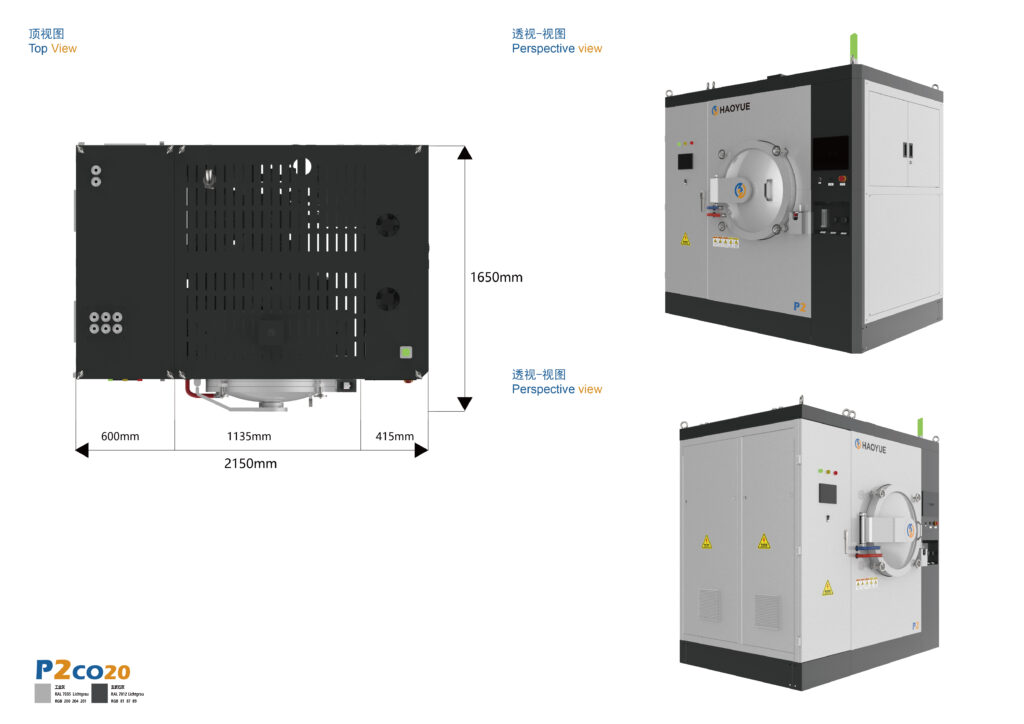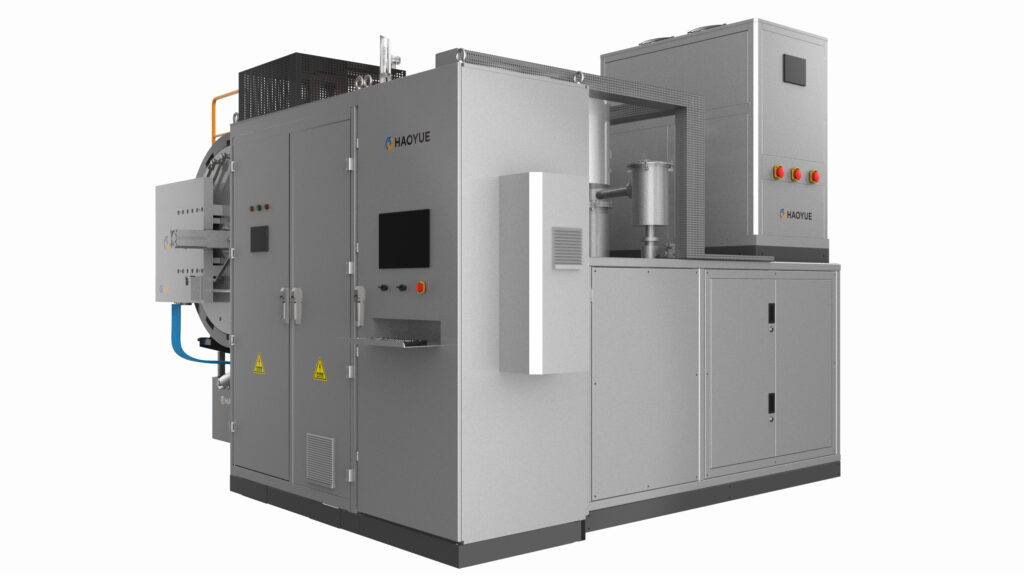






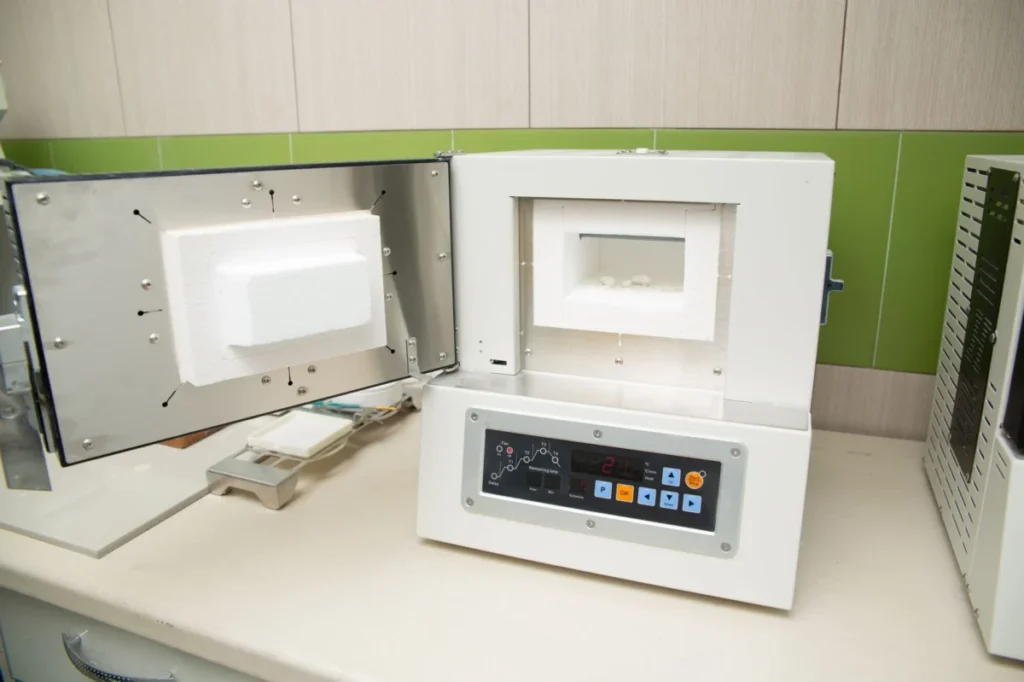
In modern metallurgy and advanced material science, achieving precise thermal control is paramount to producing high-performance components. As a premier vacuum furnace manufacturer and vacuum heat treatment furnace manufacturer, we understand that selecting the right thermal processing system directly impacts component performance, structural integrity, and overall production yield. From aerospace engineering to medical device manufacturing, advanced thermal systems must deliver highly repeatable, high-vacuum environments to prevent oxidation, eliminate impurities, and ensure uniform material density.
Sintering Technologies & Material Applications
Sintering is critical for consolidating advanced ceramics, refractory metals, and composite materials. For instance, silicon carbide sintering requires extreme temperatures and precise atmosphere control, often achieved in specialized systems designed by a leading vacuum sintering furnace manufacturer. Similarly, the zirconia sintering process and alumina sintering process are vital for medical and dental restorations, necessitating a high-precision dental implant vacuum furnace or a dedicated medical implant sintering furnace to guarantee biocompatibility and mechanical strength. For heavy-duty industrial tooling, tungsten carbide sintering and molybdenum sintering rely on a robust carbide tool sintering furnace to optimize hardness and wear resistance.
Advanced Equipment & Process Comparisons
When choosing the right consolidation method, engineers must evaluate critical trade-offs between competing technologies. The table below highlights key differences in modern industrial thermal processing:
| Comparison Category | Key Technical Differences & Applications |
|---|---|
| SPS vs hot pressing | While a specialized SPS furnace manufacturer offers rapid consolidation through pulsed direct current and minimal grain growth, a hot pressing furnace manufacturer provides excellent uniaxial pressure distribution suitable for larger, structural components. |
| HIP vs vacuum sintering | Hot Isostatic Pressing (HIP) from a qualified HIP manufacturer eliminates internal porosity far more effectively than standard sintering, though vacuum sintering vs pressure sintering remains a key cost-to-performance consideration for high-volume production. |
| vacuum furnace vs atmosphere furnace | A vacuum system completely eliminates atmospheric contaminants, whereas an atmosphere furnace introduces inert or reducing gases to protect the workload at lower operational costs. |
| graphite furnace vs molybdenum furnace | This choice depends on maximum operating temperatures and chemical compatibility. Graphite elements are cost-effective and durable at extreme temperatures, while molybdenum elements prevent carbon contamination in sensitive alloys. |
For high-pressure consolidation of advanced ceramics, a gas pressure sintering furnace bridges the gap between standard vacuum sintering and HIP, offering a cost-effective path to achieving near-theoretical density.
Specialized Thermal Treatments: Brazing & Hardening
Joining and hardening processes require unique thermal profiles to maintain dimensional stability. The vacuum brazing process offers superior joint strength and clean, flux-free aesthetics compared to traditional methods, highlighting the distinct advantages of vacuum brazing vs conventional brazing. Utilizing a system from an experienced vacuum brazing furnace manufacturer ensures leak-tight, high-strength joints in complex assemblies like heat exchangers and electronic housings.
For structural metals, the vacuum annealing process and vacuum hardening process are indispensable, particularly during titanium alloy heat treatment for critical flight components. These processes are typically executed in an aerospace vacuum furnace or an aerospace heat treatment furnace to meet stringent NADCAP and AMS standards. For specialized reducing atmospheres, a vacuum hydrogen furnace is utilized to treat sensitive refractory metals and magnetic alloys without risks of embrittlement.
Semiconductor and Energy Frontiers
The rapid growth of green energy and microelectronics has escalated the demand for specialized thermal equipment. A high-purity semiconductor vacuum furnace is essential for wafer processing, crystal growth, and thin-film deposition, where even parts-per-billion contamination can ruin a batch. Meanwhile, a high-capacity battery material sintering furnace is crucial for synthesizing cathode and anode materials with optimal electrochemical properties, driving the efficiency of next-generation energy storage systems.
Ultimately, optimizing the vacuum sintering process requires a deep understanding of material thermodynamics and equipment capabilities. Partnering with an experienced manufacturer ensures your thermal processing equipment is engineered to deliver precision, efficiency, and long-term reliability.